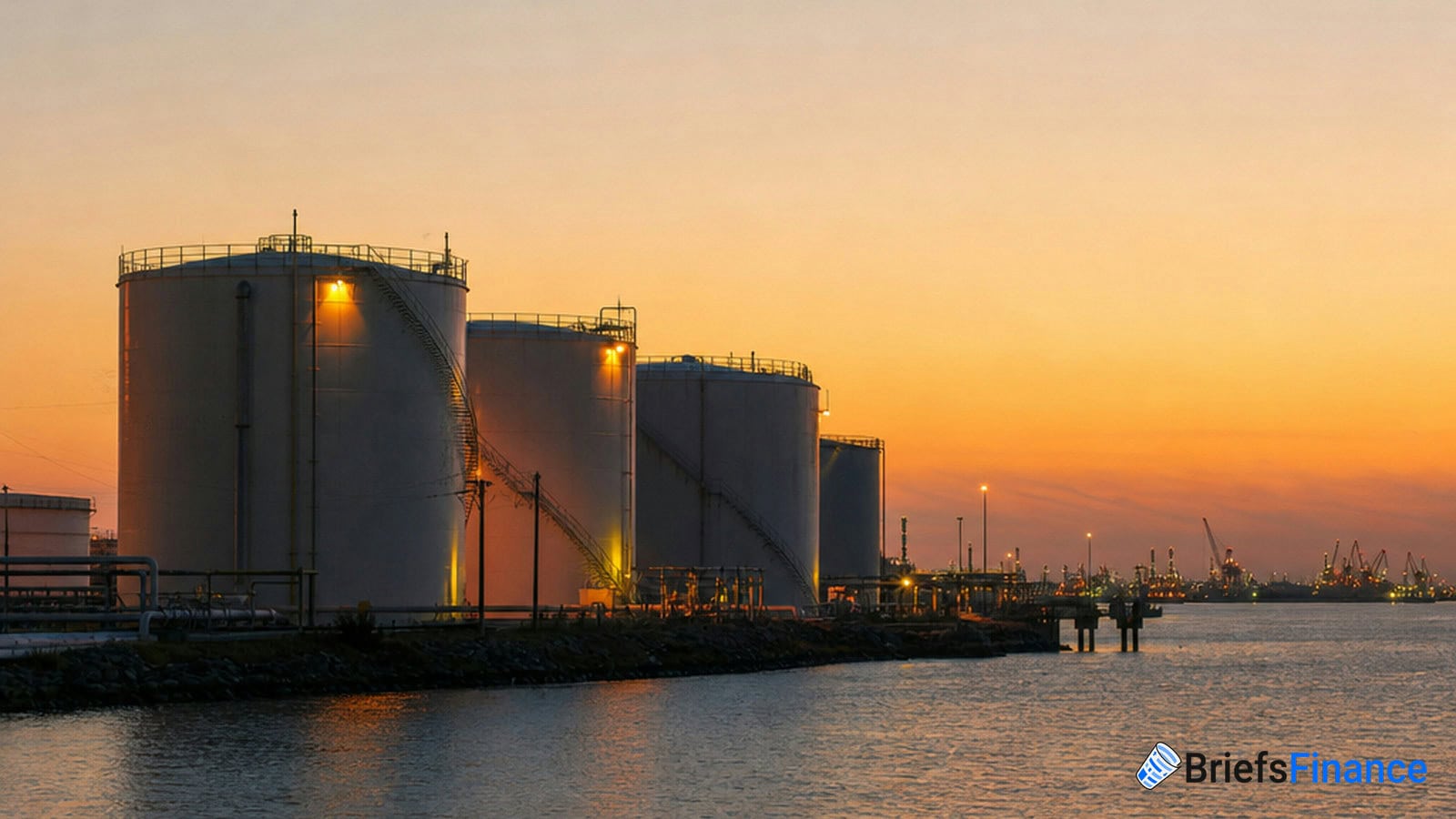
Two months ago, buyers in Europe and Asia paid big extra for US oil. Now they get it at a discount.
War fears had pushed US oil exports to record highs, and the new peace deal is undoing that spike in weeks.
The shift is showing up first in cash markets, where real cargoes trade hands every day.
From Premium To Discount In Weeks
When ships couldn't pass through the Strait of Hormuz, buyers raced to lock in US oil. That sent cash prices for US crude well above WTI futures - the main US oil price - as traders fought for barrels out of Houston.
Then the US-Iran deal reopened the strait. Persian Gulf supply is beginning to return to the market, and the rush for US crude is fading.
Magellan East Houston, a key US export grade, traded as high as $8 above WTI this spring. By Tuesday, it sold at a discount.
Other grades tell the same story. Mars crude fell from $18 above WTI in April to just $1, while Thunder Horse is sliding too.
We break down moves like this every morning in Market Briefs - in five minutes a day, plus a free investing class when you sign up.
Three Forces Pulling Prices Down
The first force is supply coming back. Take Dubai crude, the main read on Middle East oil prices: its premium hit $65 a barrel in March and is now below zero.
That means buyers no longer need to scramble for non-Gulf barrels the way they did when the strait was effectively closed.
The second force is at home. The US keeps tapping the Strategic Petroleum Reserve - its emergency oil stockpile.
That's piling more supply onto Gulf Coast docks just as global demand for US crude cools, per research firm Wood Mackenzie.
The third is arbitrage - the trade where buyers ship US oil overseas for a profit. As arbitrage opportunities into Europe and Asia narrow, traders say export momentum is slowing.
What To Watch
Cash crude prices move faster than futures. They show what buyers really pay for real barrels today, so when they fall this fast, the signal matters.
Brent's prompt spread tells the same story. That's the price gap between the next two oil futures contracts, and traders watch it for signs of short-term supply tightness.
It topped $12 in April. By Tuesday, it had shrunk to roughly 25 cents, telling investors the market isn't worried about immediate shortages anymore.
US exports are still high by past standards. But the war premium is fading, and oil companies that cashed in on the spike face a very different next quarter. [NEEDS MANUAL VERIFICATION - source says exports remain historically elevated but does not characterize the upcoming quarter for producers]
If you want this kind of read on energy and markets every morning, join 350,000+ investors reading Market Briefs - you also get a 45-minute investing course as a bonus.