The U.S. and Iran haven't had a leader-to-leader deal in 45 years. That just changed.
The two countries cut ties in 1980 after the Iran hostage crisis. No U.S. president since has put his name on a deal with Iran's leader.
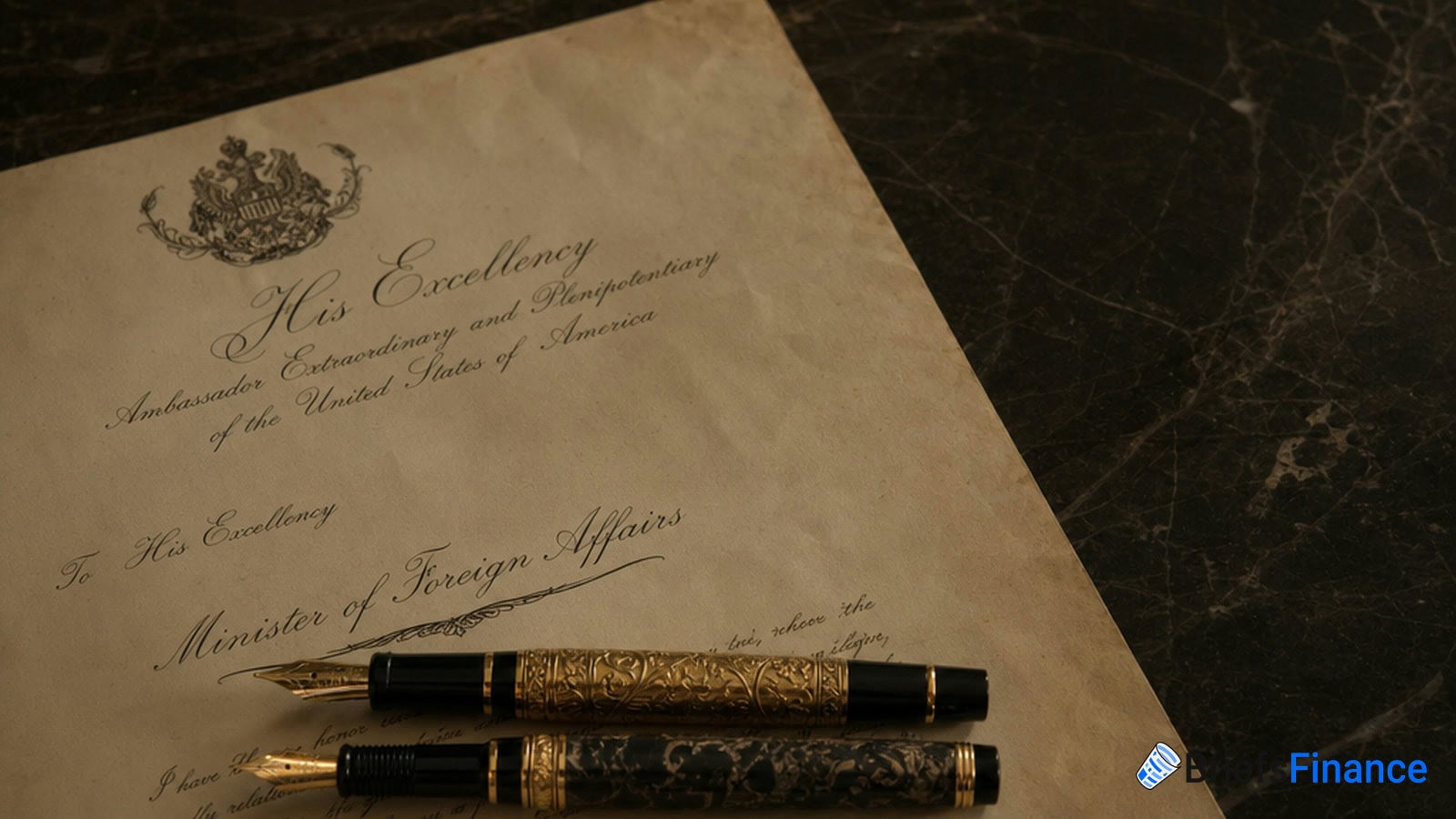
That all changed Wednesday. A U.S. official says Trump and Iran's president, Masoud Pezeshkian, signed a deal called a memorandum of understanding.
That's an MOU - a written deal where both sides agree on broad terms. It's not a treaty, so it doesn't need a Senate vote.
The full text of the deal hasn't been released, and that's the open question driving most of the early talk.
How An MOU Works
An MOU sits between a handshake and a contract. Both sides agree on goals before locking in the details.
It doesn't need Senate approval, which is why presidents use one when they want to move fast.
That speed matters here because U.S.-Iran talks have run through back channels and third countries for years.
Both sides avoided any paper with both leaders' names on it. A signed MOU skips that whole dance.
Geopolitical moves like this ripple through oil, defense, and shipping stocks fast. Market Briefs breaks down what matters every morning in five minutes - and you get a free investing masterclass when you sign up.
How Markets Are Reading It
Iran holds the world's third-largest oil reserves. U.S. sanctions have kept most of that oil off global markets for years.
Any sign of a thaw moves prices, which is why Brent crude reacts to every Tehran headline.
Even a small rollback of sanctions could bring 1-2 million barrels per day back to global supply. That would push prices down at a time when OPEC+ is managing output.
OPEC+ is the group of major oil-producing nations that sets supply targets together. Their pricing power could shift if Iranian oil floods back in.
The shipping lanes through the Strait of Hormuz carry about 20% of the world's daily oil. Stress in that area gets priced into freight rates, insurance, and defense stocks.
An MOU doesn't change that math overnight. Sanctions stay on until Congress or the Treasury moves.
But the odds of future easing just moved for oil majors, defense stocks, and tanker firms.
What's Still Unknown
The full text of the MOU hasn't been released, which leaves every big question open:
- Does it cover the nuclear program?
- Is sanctions relief in there?
- Are prisoner swaps or trade in the deal?
- What about U.S. troops in the region?
Until the text drops, investors are pricing in chance, not policy. That uncertainty grows with Israel and the Gulf states still silent on how they'll respond.
What To Watch
Three signals matter from here: the official text release, the response from Israel and Gulf allies like Saudi Arabia and the UAE, and where oil futures open in Asia.
The signatures are real, and the terms will follow.
Want this kind of read on every market-moving headline? Join 350,000+ investors reading Market Briefs - daily delivery, plus a free 45-minute investing course thrown in.