Apple runs one of the tightest supply chains in the world, which is why it raised eyebrows when Tim Cook said the company can't absorb what's coming next.
Cook told the Wall Street Journal that Apple is raising prices because of a global memory chip shortage that no one in tech can dodge, and he called the squeeze a 'hundred-year flood,' saying he's never seen anything like it in over 40 years.
Why Memory Chips Got So Tight
The shortage traces back to AI, with every new data center needing massive amounts of memory - the chips that store and move data inside servers.
The squeeze actually hits two types of memory: DRAM, which phones and servers use as short-term working memory, and NAND, the flash storage that holds files long-term. Both have surged as AI workloads demand more of each.
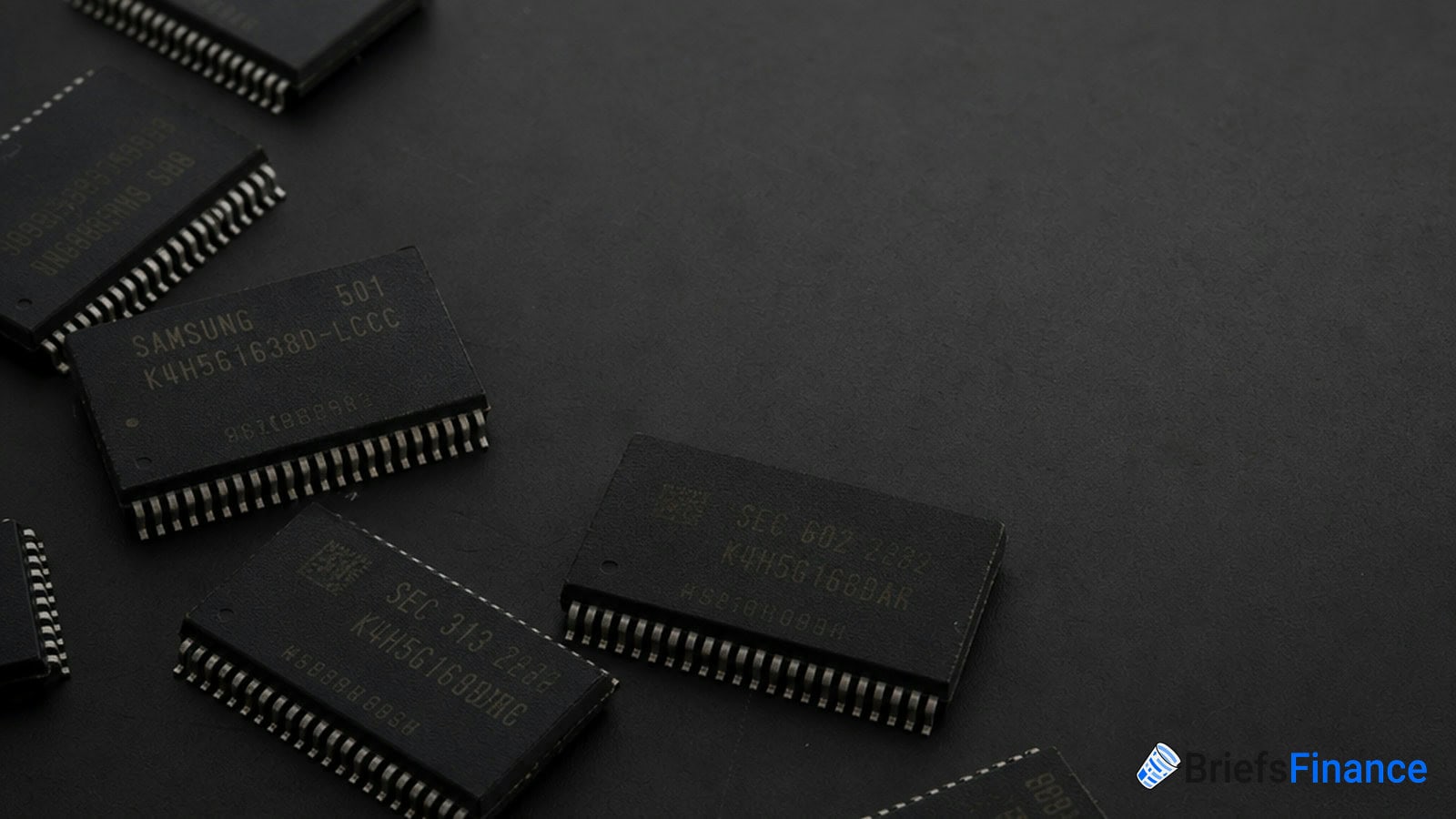
That demand has drained supply from Samsung and SK Hynix, the two firms that make most of the world's memory chips, leaving phones, laptops, and PCs to fight hyperscalers - the giant cloud companies running AI workloads - for the same parts.
Apple buys those same parts at massive scale, which means when prices climb, even the company with the most buying power on the planet feels the hit.
And those prices have jumped sharply over the past year, with AI demand outpacing what Samsung, SK Hynix, and Micron can build even at full tilt.
We break down what supply chain shifts like this actually mean for stocks in Market Briefs - five minutes a day, plus a free investing masterclass when you sign up.
What This Tells Investors
Apple raising prices is a signal that the memory squeeze has gotten bad enough that even the biggest buyer in consumer tech can't eat the cost on its own.
That's good news for memory makers, with Samsung, SK Hynix, and Micron riding a wave of AI demand for over a year. Pricing power strong enough to push Apple's hand means that wave isn't slowing.
For Apple shareholders, though, the read is mixed. Higher prices could protect margins, but they could also slow demand at a time when iPhone upgrade cycles are already stretching out.
Apple hasn't said exactly which products will see the hikes or by how much, though research firm TechInsights estimates passing the full cost through could add roughly $270 to the next iPhone Pro models.
The bigger question is whether the cost pressure spreads, because Samsung, Microsoft, Sony, and Dell have already raised prices on some products, and if more device makers follow, the hikes ripple across the whole industry.
What to Watch
Watch what other consumer hardware makers do next, because if Dell, HP, and Samsung's own phone unit lean further into hikes, the increases spread across the whole industry right as holiday season starts.
And the memory makers themselves are worth tracking, with Samsung, SK Hynix, and Micron earnings over the next quarter showing how much pricing power they've actually built up.
Memory pricing typically moves in long cycles, and this one is just over a year in.
Join 350,000+ investors reading Market Briefs every weekday morning, and get a 45-minute investing course thrown in as a bonus.