Vice President JD Vance called it a "great day for the American people." But nobody has seen the deal's actual text. And the ceasefire it rests on runs just 60 days.
What's Actually In It, And What Isn't
The US and Iran reached a preliminary deal on Sunday. It pauses a war that began on February 28. The deal extends the ceasefire for 60 days. It also sets up a frame for talks on Iran's nuclear program. It is a first step, not a finished pact.
Vance laid out two big goals on CNBC. The first is reopening the Strait of Hormuz. The second is a long-term promise that Iran never builds a nuclear weapon. Trump has said the war was about stopping Iran from getting a nuke.
Most of the details are still blank, though. The text has not come out. Iran has agreed to get rid of its enriched nuclear fuel. It has not said how. The 60-day clock is already ticking.
Geopolitics moves markets fast, and we explain how every morning in Market Briefs - plus a free masterclass on investing when you join.
Why Hormuz Is The Part That Moves Markets
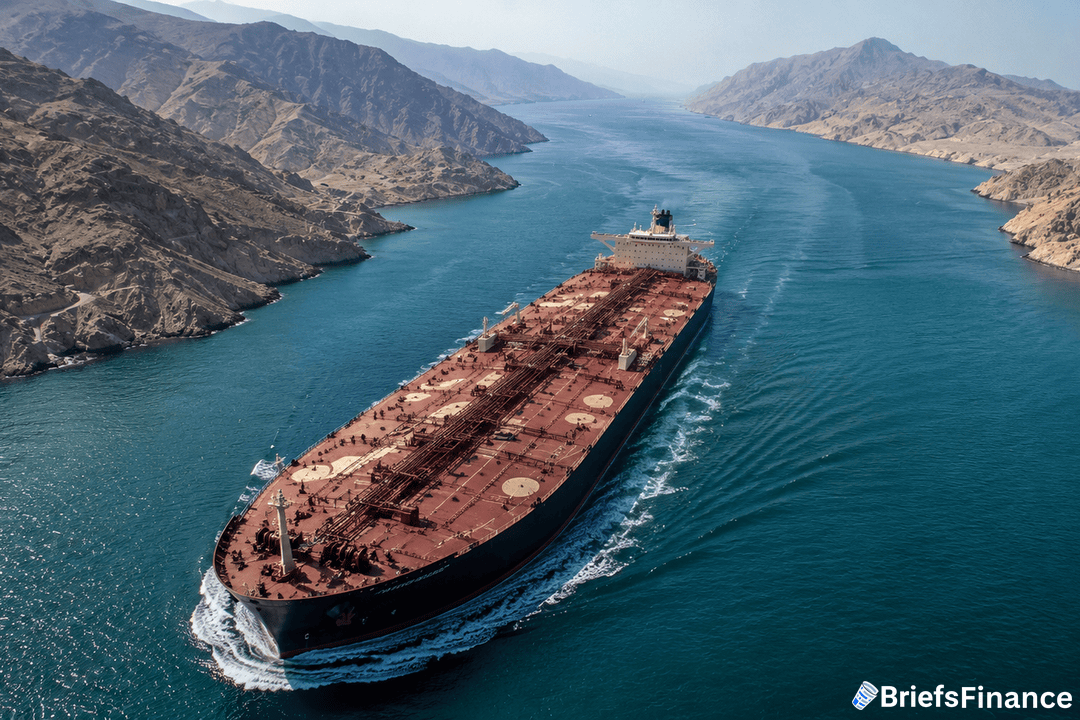
For investors, the headline is not the nuclear program. It is that strait. The Strait of Hormuz is a narrow band of water between Iran and Oman. Roughly a fifth of the world's oil moves through it by ship. Most of that oil heads to Asia. A blocked strait can lift pump prices worldwide.
When that route is at risk, oil prices jump. Traders price in the risk that supply gets stuck. Vance wants it reopened "in a toll-free way for the long term." That would push prices the other way.
Think of a clogged highway versus an open one. Same road, very different traffic. Oil traders watch this strait more than any treaty clause. In return for that calm, Iran wants back into the world economy. Vance said the US is open to easing sanctions. But Iran must stick to strict checks.
What To Watch
The 60-day window is the whole story now. Iran's foreign minister, Abbas Araghchi, said talks will "probably" start Friday in Switzerland. There the sides are due to sign a memo and begin real talks. A hard-line speaker, Mohammad Bagher Ghalibaf, may join. His buy-in would hint that Iran's conservatives are on board.
The reward for Iran is plain. It wants an economy free of sanctions. The US says that needs strict checks it can verify. Vance has been in these talks all through the war.
An official signing is set for Friday in Geneva. Yet Vance said the two sides already signed the deal "digitally." He says the US holds "all the cards." But the deal could still fall apart in the next 60 days. The next two months will show whether the other side agrees.
For plain-English takes on how world events hit your portfolio, read Market Briefs each day - you also get a free 45-minute investing course thrown in.