4.3% to $99.36. Peace talks failed. Then the blockade started. After weekend talks between the U.S. and Iran fell apart in Islamabad, President Trump announced the U.S. Navy would block ships from entering or leaving Iranian ports along the Strait of Hormuz. CENTCOM said the blockade targets Iranian port traffic only and won't stop ships heading to other countries.
Oil Jumps as the Strait Tightens
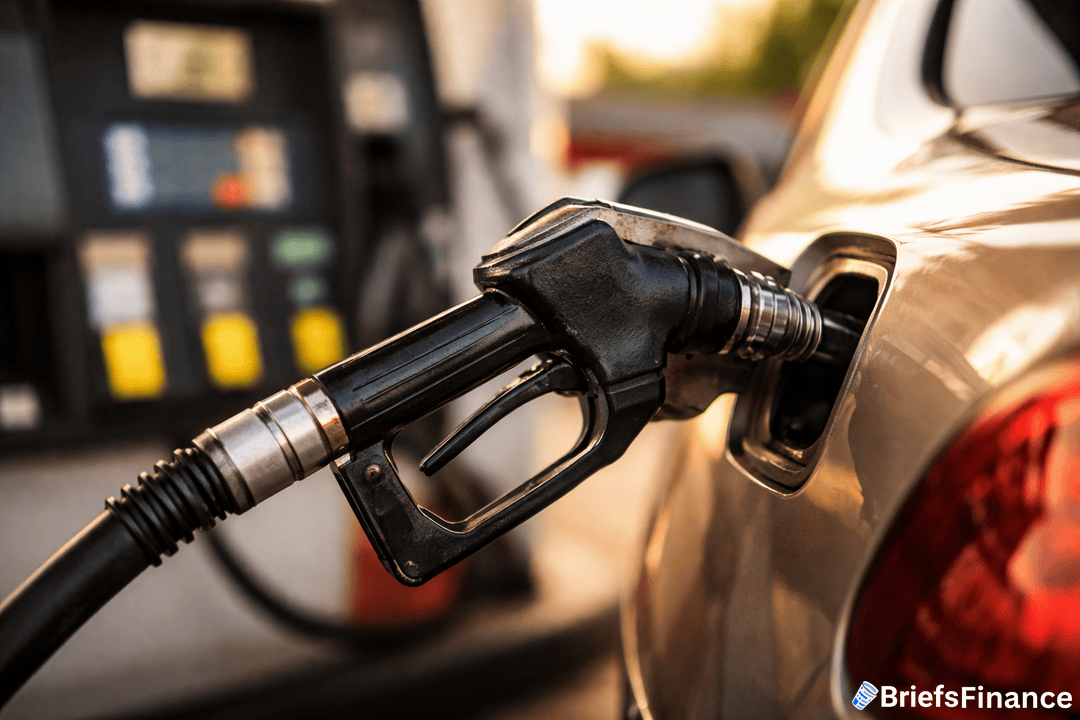
Before the war started on February 28, roughly one-fifth of the world's oil flowed through the strait. That flow has since slowed to a trickle, sending prices higher with each new disruption. On the day the blockade took effect, U.S. crude closed at $99.08 a barrel - up 2.6% - while Brent jumped 4.3% to $99.36. Since the war began, oil is up more than 40%, pushing the average gallon of gas past $4.10 from under $3 before the fighting started.
Inflation Is Already Showing Up
A war-driven spike in gas prices pushed U.S. inflation to 3.3% in March, up from 2.4% in February - the fastest yearly pace in nearly two years. The OECD now expects U.S. inflation to hit 4.2% this year, which is 1.2 percentage points higher than it forecast before the war. The IMF raised its global inflation forecast to 4.4%.
What to Watch
The big risk: if the strait stays closed deep into the second quarter, some models show oil hitting $170 a barrel. At that level, the hit to inflation and growth roughly doubles - creating the kind of mess that could change the path for central banks and shift the political picture heading into midterms.
Kevin Warsh's Fed Chair Hearing Is Set for
April 21. Powell Says the Fed Is "Well
Positioned to Wait"