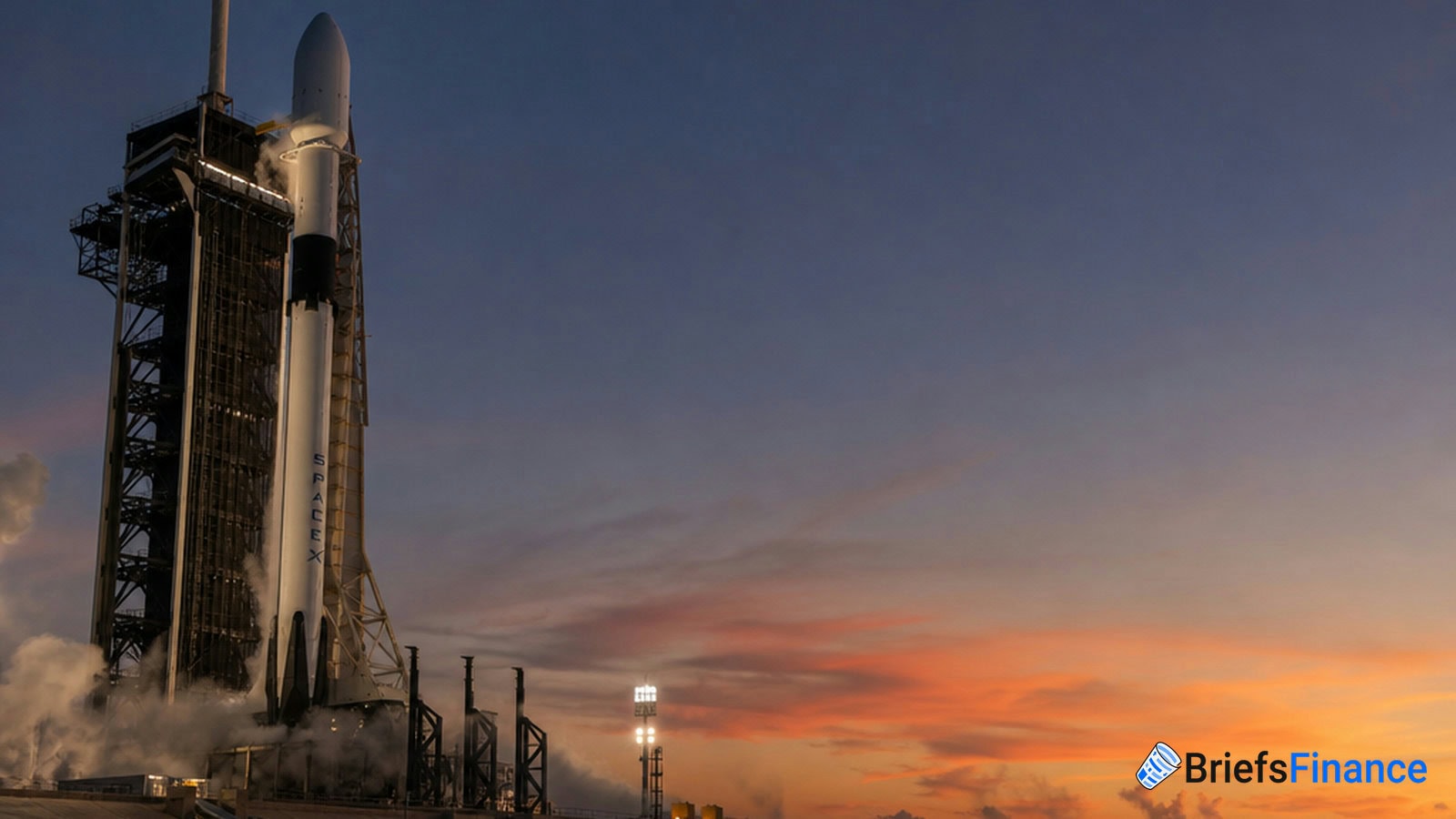
SpaceX just trimmed its IPO valuation target by $200 billion, setting a new floor of at least $1.8 trillion as the rocket maker moves closer to going public.
That number would still rank among the largest stock market debuts ever attempted, with only a handful of public companies on Earth worth that much.
Every morning, Market Briefs breaks down the moves shaping the next wave of tech IPOs in five minutes a day, plus a free investing masterclass when you join.
What Changed
The company had been telling people it was targeting north of $2 trillion as recently as April, but after meetings with advisers and investors that number came down.
$1.8 trillion is now the floor instead of the ceiling - a $200 billion haircut that's larger than the entire market value of Disney or Nike.
Why The Trim
A lower target ahead of an IPO usually points to one thing: the bankers want the stock to pop on day one.
Set the bar too high and the debut looks weak, while setting it lower leaves room to surprise on opening day.
The other read is demand, since advisers test the waters with big investors before pricing.
If the feedback came back cool on $2 trillion, $1.8 trillion is where the real money said yes.
Either way, this listing is going to set the tone for every AI and space deal that follows it.
What's Driving The Number
Most of SpaceX's value sits inside Starlink, the satellite internet business that now has millions of paying subscribers around the world.
The rocket side gets the headlines, but Starlink is the recurring revenue engine - the steady monthly income - that justifies a trillion-dollar price tag.
Government contracts add another layer, with NASA and the Pentagon both leaning on SpaceX for missions ranging from astronaut rides to spy satellites.
That mix of paying subscribers and locked-in government work is rare for any company, let alone one valued like a top-five tech name.
The Competition Just Blew Up
The same week SpaceX was fine-tuning its number, its biggest rival watched a rocket explode on a Florida launchpad as Blue Origin's New Glenn went up in flames during a test.
That's a setback for Jeff Bezos's space company - and for Amazon, which needs New Glenn to launch its Leo satellite network and challenge SpaceX's Starlink.
So while SpaceX is dialing back its number, the company chasing it just lost months of ground - giving SpaceX a wider runway to set its IPO price without anyone able to undercut it on capability.
What to Watch
The pricing window, since IPOs often price below early targets and trade well above them on day one.
Watch the order book too - the list of buy and sell offers - since that signals how hungry big investors really are.
If SpaceX opens above $1.8 trillion, that's a green light for every space and AI company waiting in the wings to file.
If it doesn't, the next round of tech IPOs will think twice before pushing for sky-high numbers.
Either way, $1.8 trillion would still be bigger than any IPO before it.
If you want this kind of read on the market every morning, join 350,000+ investors reading Market Briefs and get a 45-minute investing course thrown in as a bonus.