Free NewsletterPro Login

Red Lobster Is Bringing Back Endless Shrimp. The Deal That Bankrupted It.

Published Apr 21, 2026
Share:
Summary:
  • Red Lobster brought back Endless Shrimp on April 20 for the first time since bankruptcy.
  • Pricing is $24.99 to $29.99 depending on location, dine-in only.
  • The original promotion cost Red Lobster $11 million in losses and helped push it into bankruptcy.

Red Lobster is back to running the same deal that nearly killed it.

Endless Shrimp returned to Red Lobster menus April 20, 2026. It's the chain's first run of the all-you-can-eat promotion since the 2024 bankruptcy that closed 130 restaurants. Pricing is

$24.99 at some locations and $29.99 at others. Dine-in only, limited time, participating restaurants.

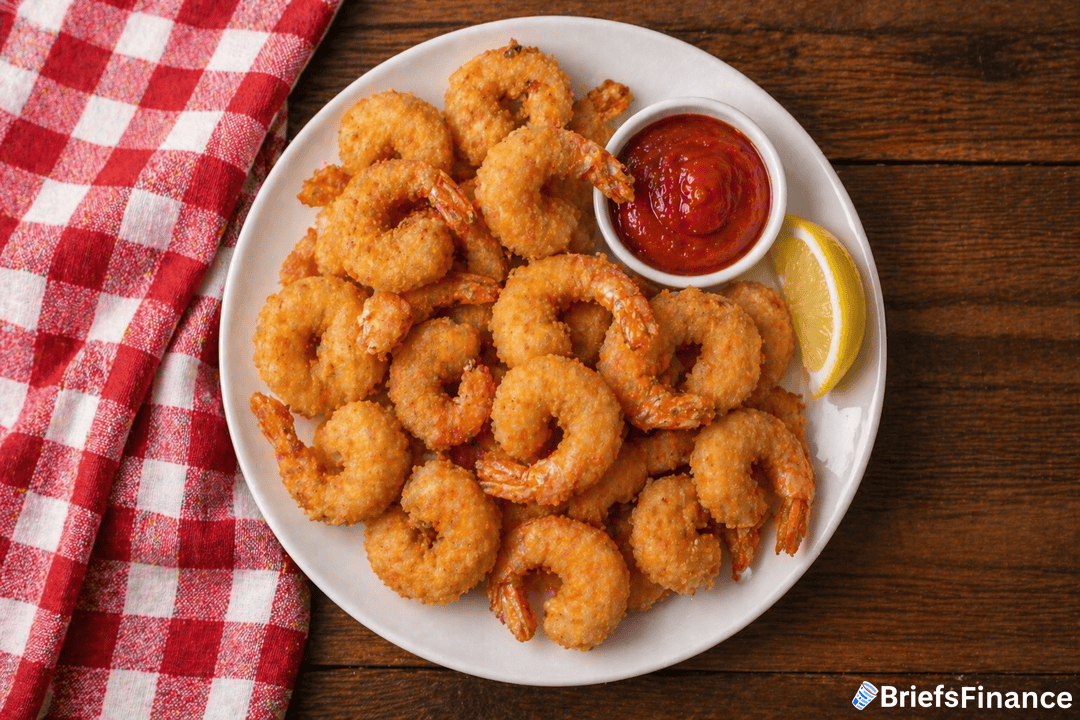
There are five shrimp preparations on the menu. A new "Marry Me Shrimp" in tomato cream sauce joins the classics: Walt's Favorite Shrimp, Garlic Shrimp Scampi, Shrimp Linguini Alfredo, and Parrot Isle Coconut Shrimp.

Why The Original Promo Blew Up

The standing Endless Shrimp deal ran at $20. Customers ate a lot of shrimp. Shrimp prices ran up. The chain lost around $11 million on the promotion alone in 2023. That loss, on top of other operating problems, helped push the parent company into bankruptcy court.

The math is simple. At $20, an all-you-can-eat diner hits breakeven after about two plates. Most diners ordered three or four.

The new pricing at $24.99 and $29.99 is the lesson learned in a price tag. The new CEO, installed after the restructuring, has framed the return as a "limited-time" event rather than a permanent menu item.

The Chain's Turnaround Playbook

Post-bankruptcy Red Lobster is smaller, better located, and owned by a new set of investors. It's closed the worst-performing stores, renegotiated leases, and pushed on operational costs.

Bringing back Endless Shrimp isn't just a promo. It's marketing. The chain needs traffic. The brand still owns that specific deal in the American dining memory.

Why The Chain Still Needs A Hit

Red Lobster came out of bankruptcy with 130 fewer locations than it had going in. That smaller footprint has better unit economics on paper, but it also means fewer stores driving brand awareness, fewer seats to fill, and fewer chances to hit the traffic number the new owners need.

Casual dining is still under pressure from every side. Grocery prices have pulled some mid-priced dining back home, and fast-casual chains have pulled the rest toward $15 lunch. The $24.99 to $29.99 Endless Shrimp price point is designed to split the difference.

The math of a limited-time promo versus a permanent menu item is the key call. A permanent promo invites the same shrimp-price risk that killed the first run. A limited-time event drives traffic in short bursts, which is the safer model for a chain still trying to prove its turnaround.

Worth Noting

Shrimp prices are up about 20% since the last time the promotion ran. That's baked into the $24.99 price point. Management is betting that nostalgia plus pricing discipline equals profit where the last attempt delivered neither.

Every restaurant operator in the country is now watching the numbers. If Red Lobster can run Endless Shrimp without losing millions, the American diner won. If it can't, the rest of casual dining will take note.

Either way, they're selling the shrimp.
Disclosure

Get Market Briefs delivered to your inbox every morning for free!

No fluff. No noise. No politics. Just finance news you can read in 5 minutes.

Blogs

June 15, 2026
Top Covered Call ETFs: How to Compare Them
  • Top covered call ETFs are income funds that own stocks and sell call options against them to generate steady cash.
  • The best one for you is the fund whose income, holdings, and fees fit your goals, not simply the one with the flashiest yield.
  • They all share one trade-off: more income today, less upside in a big rally.
Read More
June 15, 2026
What Are Stock Options? A Plain-English Guide
  • Stock options are contracts that give you the right, but not the obligation, to buy or sell a stock at a set price by a set date.
  • There are two kinds: calls (the right to buy) and puts (the right to sell).
  • Options can multiply gains or wipe out your money fast, so they suit investors who already know the basics.
Read More
June 15, 2026
EBITDA Margin: What It Is and How to Calculate It
  • EBITDA margin measures how much core profit a company keeps from each dollar of sales, before interest, taxes, and accounting deductions.
  • The formula is EBITDA divided by revenue, shown as a percent.
  • A higher, steadier EBITDA margin usually signals a more efficient, more durable business.
Read More
June 15, 2026
What Is Taxable Income? A Simple Guide for Investors
  • Taxable income is the portion of your money the government can tax after deductions are applied.
  • Not all income is taxed the same: job income, investment income, and passive income face different rates.
  • Investors and business owners get more tools to legally lower their taxable income, which is a big edge over time.
Read More
June 15, 2026
What Is a Covered Call? How the Strategy Works
  • A covered call is an options strategy where you own a stock and sell someone the right to buy it from you at a higher price.
  • You collect cash, called the premium, up front, and keep it no matter what happens.
  • The trade-off: if the stock soars, your shares get sold at the set price and you miss the extra upside.
Read More
June 15, 2026
What Is Gross Margin? A Simple Guide for Investors
  • Gross margin is the share of each sales dollar a company keeps after paying the direct cost of whatever it sold.
  • The formula is simple: revenue minus cost of goods sold, divided by revenue, shown as a percent.
  • A steady or rising gross margin points to pricing power, and it is one of the first things smart investors check.
Read More
June 15, 2026
What Is a Dividend? A Plain-English Guide for Investors
  • A dividend is a cash payment a company sends you just for owning its stock, usually every three months.
  • Dividends are one of two ways stocks pay you, the other being the share price going up.
  • Dividends are never guaranteed, so the strength of the business behind the payment matters more than the size of the payment.
Read More
May 30, 2026
Financial Literacy Books That Actually Build Wealth
  • The best financial literacy books don't just teach budgeting, they shift how you think about money.
  • Two classics stand out: The Intelligent Investor for valuing investments, and Rich Dad Poor Dad for the owner's mindset.
  • Reading is only step one. The real wealth comes from acting on what you learn.
Read More
May 30, 2026
What Is a Roth Conversion? A Simple Guide
  • A Roth conversion moves money from a traditional retirement account into a Roth account.
  • You pay taxes on the money now, in exchange for tax-free growth and withdrawals later.
  • It can pay off if you expect higher taxes or more income in the future, but the timing and tax hit matter a lot.
Read More
May 30, 2026
Trailing Stop Loss: How to Protect Your Gains
  • A trailing stop loss is an order that automatically sells a stock if it falls a set percentage from its recent high.
  • As the stock rises, the sell point rises with it, locking in gains while capping losses.
  • It's most useful for active strategies like momentum investing, not for long-term buy-and-hold.
Read More
1 2 3 22
Share via
Copy link











