Pro Login

Red Lobster Is Bringing Back Endless Shrimp. The Deal That Bankrupted It.

Published Apr 21, 2026
Share:
Summary:
  • Red Lobster brought back Endless Shrimp on April 20 for the first time since bankruptcy.
  • Pricing is $24.99 to $29.99 depending on location, dine-in only.
  • The original promotion cost Red Lobster $11 million in losses and helped push it into bankruptcy.

Red Lobster is back to running the same deal that nearly killed it.

Endless Shrimp returned to Red Lobster menus April 20, 2026. It's the chain's first run of the all-you-can-eat promotion since the 2024 bankruptcy that closed 130 restaurants. Pricing is

$24.99 at some locations and $29.99 at others. Dine-in only, limited time, participating restaurants.

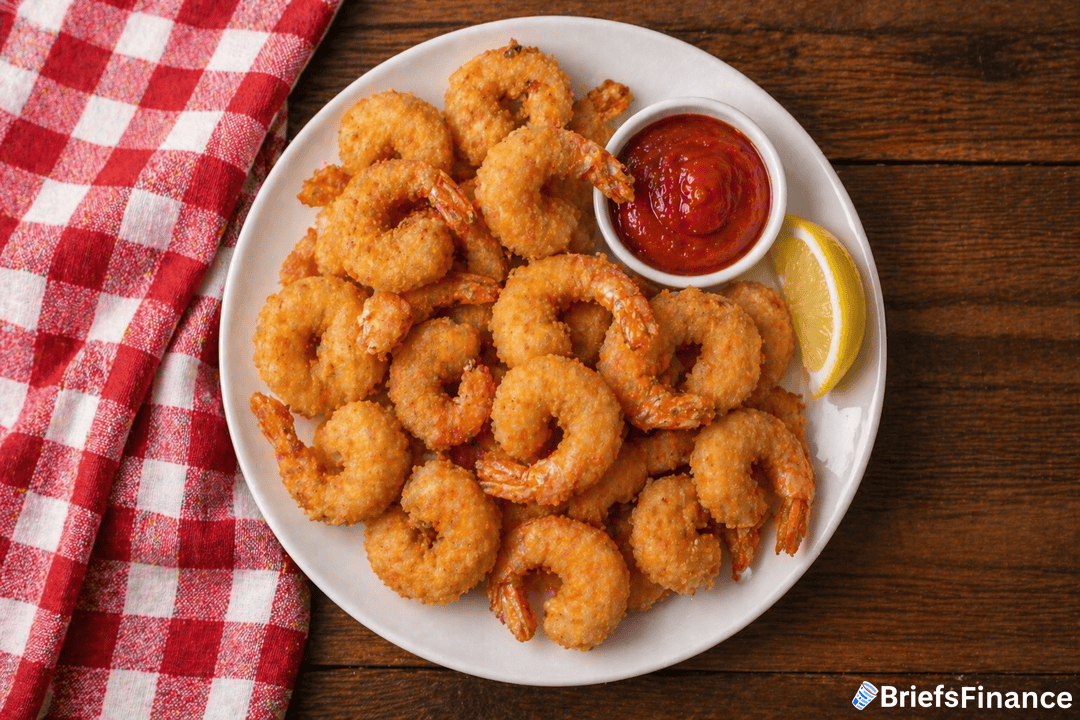
There are five shrimp preparations on the menu. A new "Marry Me Shrimp" in tomato cream sauce joins the classics: Walt's Favorite Shrimp, Garlic Shrimp Scampi, Shrimp Linguini Alfredo, and Parrot Isle Coconut Shrimp.

Why The Original Promo Blew Up

The standing Endless Shrimp deal ran at $20. Customers ate a lot of shrimp. Shrimp prices ran up. The chain lost around $11 million on the promotion alone in 2023. That loss, on top of other operating problems, helped push the parent company into bankruptcy court.

The math is simple. At $20, an all-you-can-eat diner hits breakeven after about two plates. Most diners ordered three or four.

The new pricing at $24.99 and $29.99 is the lesson learned in a price tag. The new CEO, installed after the restructuring, has framed the return as a "limited-time" event rather than a permanent menu item.

The Chain's Turnaround Playbook

Post-bankruptcy Red Lobster is smaller, better located, and owned by a new set of investors. It's closed the worst-performing stores, renegotiated leases, and pushed on operational costs.

Bringing back Endless Shrimp isn't just a promo. It's marketing. The chain needs traffic. The brand still owns that specific deal in the American dining memory.

Why The Chain Still Needs A Hit

Red Lobster came out of bankruptcy with 130 fewer locations than it had going in. That smaller footprint has better unit economics on paper, but it also means fewer stores driving brand awareness, fewer seats to fill, and fewer chances to hit the traffic number the new owners need.

Casual dining is still under pressure from every side. Grocery prices have pulled some mid-priced dining back home, and fast-casual chains have pulled the rest toward $15 lunch. The $24.99 to $29.99 Endless Shrimp price point is designed to split the difference.

The math of a limited-time promo versus a permanent menu item is the key call. A permanent promo invites the same shrimp-price risk that killed the first run. A limited-time event drives traffic in short bursts, which is the safer model for a chain still trying to prove its turnaround.

Worth Noting

Shrimp prices are up about 20% since the last time the promotion ran. That's baked into the $24.99 price point. Management is betting that nostalgia plus pricing discipline equals profit where the last attempt delivered neither.

Every restaurant operator in the country is now watching the numbers. If Red Lobster can run Endless Shrimp without losing millions, the American diner won. If it can't, the rest of casual dining will take note.

Either way, they're selling the shrimp.
Disclosure

Get Market Briefs delivered to your inbox every morning for free!

No fluff. No noise. No politics. Just finance news you can read in 5 minutes.

Blogs

April 15, 2026
What Is a Put Option? A Simple Guide for Investors
  • A put option is a contract that gives you the right to sell a stock at a set price before a set date.
  • Investors use put options to protect their portfolio against losses or to profit when they think a stock will drop.
  • The most you can lose when buying a put option is the premium you paid for the contract.
Read More
April 13, 2026
What Is Free Cash Flow? How To Find It & Why It's Important
  • Free cash flow is the cash a company has left after paying its bills and putting money back into the business.
  • Investors use free cash flow to figure out what a company is really worth - and if the stock is a good deal.
  • You can find free cash flow on a company's cash flow report, one of three key reports every public company files.
Read More
April 13, 2026
Non Taxable Income: What It Is and Why Investors Care

Non taxable income is money you earn that the IRS does not tax - like Roth IRA cash, muni bond interest, and certain investment gains. The U.S. tax code taxes workers, investors, and business owners at very different rates. Tools like Roth accounts, muni bonds, and real estate write-offs can help you keep more of what you earn.

Read More
April 11, 2026
Nasdaq Index Fund: A Beginner's Guide to Investing in the Nasdaq 100
  • A Nasdaq index fund lets you invest in the 100 biggest non-bank companies on the stock market all at once.
  • You can access the Nasdaq through index funds, mutual funds, or ETFs like QQQ - each with its own fees, trading rules, and style.
  • Picking the right Nasdaq index fund comes down to three things: who runs it, what is in it, and what it costs.
Read More
April 11, 2026
What Is Wealth? It's Not What Most People Think
  • Wealth is about owning assets that grow and pay you - not just earning a high salary.
  • In a capitalist system, there are two ways to get paid: from your labor and from your capital.
  • Building wealth takes a shift in mindset, a money system, and the habit of investing before you spend.
Read More
April 10, 2026
Micron Stock: The AI Memory Play Most Investors Are Missing
  • Micron (MU) is the only U.S. company that makes HBM chips - the short-term memory layer that AI systems need to run.
  • By early 2026, data centers were using about 70% of all memory chips made in the world, creating an 18-month backlog for new orders.
  • Micron's DRAM - or short-term memory chip - revenue jumped 69% year over year, and the company shifted away from consumer products to focus almost entirely on AI.
Read More
April 10, 2026
What Is Working Capital? What Investors Need To Know
  • Working capital is current assets minus current liabilities - it shows if a business can pay its short-term bills.
  • You find it on a company's balance sheet inside its 10-K report.
  • Changes in working capital show up on the cash flow statement and affect how much cash a business really makes.
Read More
April 9, 2026
What Is a Meme Stock? A Simple Guide for New Investors

You've probably heard the term "meme stock" thrown around on […]

Read More
April 9, 2026
Enterprise Value Formula: What It Is and How to Calculate It
  • Enterprise value (EV) shows what a company is really worth - debt and cash included - not just its stock price
  • The enterprise value formula is: Market Cap + Total Debt - Cash and Cash Equivalents
  • Investors use EV with metrics like EBITDA to compare stocks more fairly than market cap alone
Read More
April 8, 2026
Return on Equity: What It Is and How to Use It
  • Return on equity (ROE) measures how much profit a company earns for every dollar of shareholder equity
  • The formula is simple: net income divided by shareholder equity
  • A higher ROE can signal a company that is good at turning investor money into profit - but it is not the full picture
Read More
1 2 3 17
Share via
Copy link