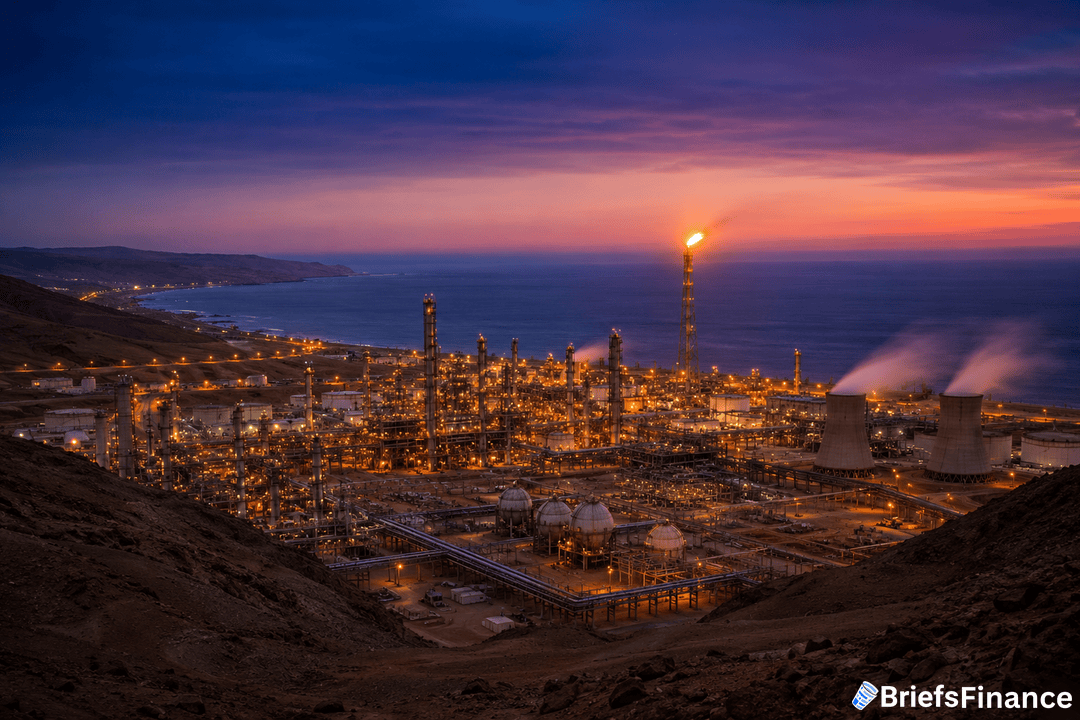
Peru just made a bet most governments don't make on their national oil company.
Instead of writing another check, it's opening the doors to private investors with $2 billion in fresh capital, backed by a state guarantee.
The goal is to keep state oil firm Petroperu's two refineries running before they grind to a halt.
The Setup
Petroperu has been on government life support for years.
Between 2022 and 2024, the Peruvian state pumped about $5.3 billion into the company to cover debts and keep operations afloat, but the cash ran out.
With its refineries at Talara and Conchán days away from a shutdown, the government needed a new plan, and late last year it passed an emergency decree opening parts of Petroperu to private capital.
The latest move authorizes the $2 billion private financing package with the state guaranteeing the loans.
For a free daily read on stories like this, Market Briefs lands in your inbox every morning - plus a free investing masterclass when you join.
Why It Matters For Peru
Peru imports a big share of the fuel it uses. If Petroperu's refineries stop running, fuel shortages and price spikes can hit within days.
Talara is the bigger problem, since its modernization project ran double its original budget and is the main reason Petroperu lost its investment-grade credit rating in 2022.
That downgrade made it harder for the company to borrow on its own, and private money with a state guarantee is the workaround.
The whole framework is set up to slowly carve Petroperu into asset blocks that private investors can buy or fund. It's a quieter version of privatization without using the word.
The Political Fight Around It
The Peruvian Congress isn't on board.
Lawmakers have moved to overturn the emergency decree, arguing it gives away too much state control over Petroperu's assets, with a separate proposal that would instead authorize a 240 million Peruvian sol transfer from the government.
The standoff is the latest in a string of political crises rattling Peruvian markets.
Peru has cycled through three presidents since October 2025, with interim leader José María Balcázar now in office until a new election winner is sworn in.
For investors with exposure to emerging markets, the dispute matters because Petroperu's debts are tangled up with sovereign Peruvian bonds.
What To Watch
The next test is whether the $2 billion package actually gets deployed before Congress kills the decree.
If lawmakers win, Petroperu may end up with a fraction of what it needs and refineries that still go dark, while if the bailout holds, Peru gets a template for letting private money take over assets the state can no longer afford to run.
Both outcomes have ripple effects through Latin American energy debt.
If you want a smarter morning read on stories like this, you can join Market Briefs here - and pick up a free 45-minute investing course on the way in.