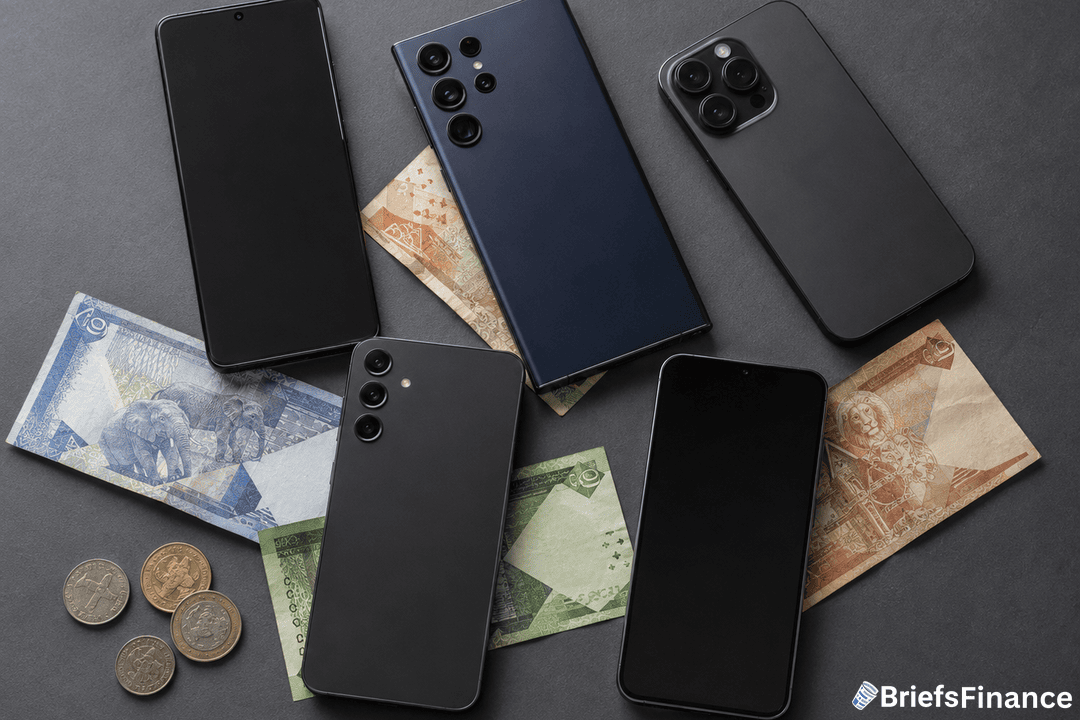
Most countries trying to grow tax revenue go after companies first.
Kenya is going straight at consumers, with a new Finance Bill that taxes smartphones, betting wins, second-hand clothes, fruit juices, and digital payments. The combined goal is about $1 billion in extra revenue to plug a growing budget hole.
Treasury opened the bill for public comment this month, kicking off the most politically loaded fiscal debate since 2024's deadly tax protests.
What The Bill Hits, And By How Much
The 25% excise duty on smartphones is the headline measure.
Unlike most import duties, this one is charged when the phone is first activated, not when it crosses the border. Treasury is also bumping plastic products by 10%, adding 5% on coal, and tacking KSh 14 to 20 per liter on fruit juices based on sugar content.
Betting winnings now face a 20% withholding tax, and even money deposited into a betting account becomes taxable. The bill also widens the definition of royalties to cover digital payment networks, fintech platforms, and card processors.
Treasury Cabinet Secretary John Mbadi is hoping the package raises an extra KSh 120 billion, which is about four times what the 2025 Finance Act delivered. Tax collection overall is set to climb 7% to KSh 2.985 trillion in the fiscal year starting in July.
We track the policy moves that quietly reshape global markets in Market Briefs, delivered every weekday morning along with a free investing masterclass when you join.
Why The Treasury Is Reaching This Hard
The KSh 120 billion gap Kenya is trying to close got bigger thanks to something that has nothing to do with Kenya.
The US-Israel war with Iran pushed global energy prices higher, which fed straight into local fuel costs and inflation. That widens the deficit and limits how much Kenya can borrow without spooking bond investors.
Treasury already plans to borrow a record KSh 1.1 trillion at home to balance the books. The Kenya Revenue Authority is also getting KSh 19 billion for digital tools to chase down tax evaders, with Mbadi saying the goal is to broaden the base rather than raise rates on what's already taxed.
The Politics Of A Phone Tax
Kenya's last big tax overhaul, the Finance Act 2024, sparked protests that turned deadly.
This time the government is spreading the pain across products people consume rather than wages or savings. Smartphones, betting, and mitumba (the second-hand clothing trade millions of Kenyans rely on) are all popular targets for budget hawks and unpopular ones for voters.
Parliament has opened the bill for public comment, which means amendments are likely before the final vote.
What To Watch
Three things will tell investors how this lands.
The first is the public participation phase: if the smartphone or mitumba taxes get watered down, the $1 billion target slips. The second is the KRA's ability to actually collect what's written into the law, and the third is whether protests return as the bill moves toward a vote.
The 2026/2027 budget hinges on every shilling.
Sign up for Market Briefs here for the daily five-minute market read, plus a 45-minute investing course as a free bonus.