Mayor Zohran Mamdani campaigned on three words: tax the rich.
He just got a partial win, with New York's $268 billion budget deal including a new tax on luxury second homes in New York City but no broader hike on the state's wealthiest residents. The same deal also rolls back parts of the state climate law.
Assembly Speaker Carl Heastie said many of the budget's biggest pieces are still up in the air.
The Pied-à-Terre Tax
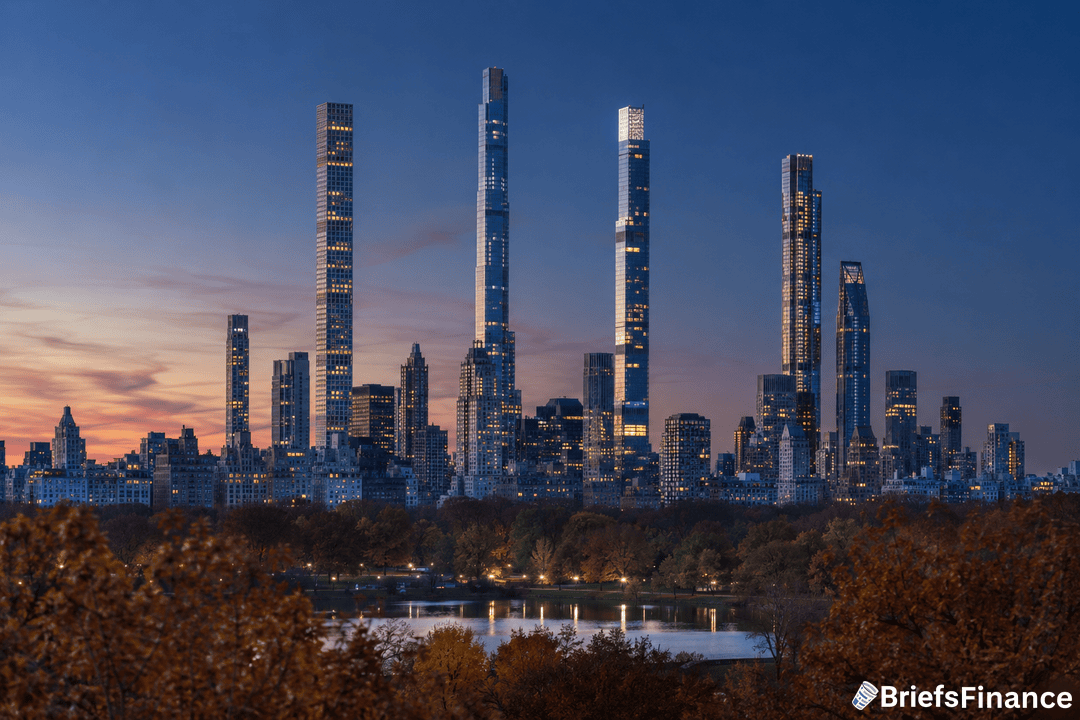
The new tax applies to second homes inside New York City worth more than $5 million.
Hochul estimated it could raise at least $500 million a year for the city. The fine print is not done yet, with Hochul saying the details are still being worked out with legislative leaders.
Heastie pushed back on the announcement itself, telling reporters "there is no budget deal" yet on much of the financial backbone of the plan. Critics, including some moderate Democrats and business groups, warn the levy could push wealthy residents to lower-tax states.
Hedge fund CEO Ken Griffin, whose firm bought a $239 million Manhattan penthouse, said his company will now "double down" on its Miami operations.
We break down how policy moves like this filter through the real estate market in Market Briefs, with a free investing masterclass tossed in when you sign up.
The Climate Trade-Off
The same deal weakens New York's 2019 climate law.
Hochul can now push the rollout of major emissions rules back to 2028, while the state shifts to a different formula for counting emissions. The new method makes it easier to hit the legal reduction targets without doing as much actual reducing.
Hochul has said the rollback is about affordability and federal headwinds, with the Trump administration pulling back on renewable energy support. Environmental groups have pushed back hard, calling the change a step in the wrong direction.
What The Tax Actually Covers
The pied-à-terre levy is narrow on purpose.
It only applies to second homes inside New York City, leaving the Hamptons and other state luxury markets untouched. The levy also doesn't touch primary residences, even on multimillion-dollar properties, since those weren't the political target.
The Democratic Socialists of America chapter that helped power Mamdani's win blasted the deal anyway. Co-chair Gustavo Gordillo said the proposal "only fills 10% of NYC's deficit," pointing at the city's $5.4 billion two-year budget gap.
What To Watch
The deal still has to be turned into actual legislative language.
That's where most of the open questions live: how the $5 million threshold gets verified, what counts as a "second home," and whether the climate rollback can survive court challenges. The pied-à-terre tax could become a model that other high-cost cities watch closely, or a cautionary tale if wealthy residents start filing for Florida residency.
Mamdani got his sound bite. The check still has to clear.
If you want a five-minute morning read on stories like this, join Market Briefs here. You also get a free 45-minute investing course as a sign-up bonus.