Oil should have gone up on Tuesday. The reason? Trump said Iran shot down a U.S. helicopter, and Israel and Iran had just traded missiles. But crude fell almost 4% instead.
Why Oil Fell On A Day Of Bad News
The drop came down to one comment. Energy Secretary Chris Wright told CNBC that oil flows through the Strait of Hormuz are rising "very meaningfully."
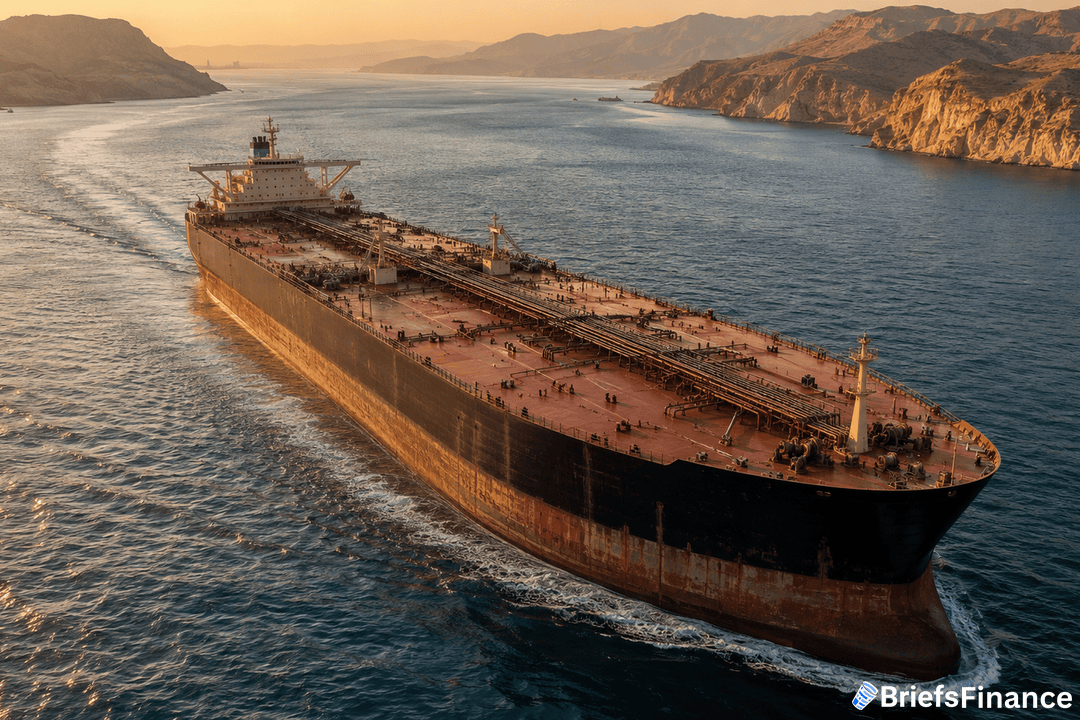
He said they should keep rising. That strait is the most important oil chokepoint on Earth. About a fifth of the world's oil used to move through it. So any sign of moving tankers cools prices fast.
Traders cared more about that than the war news. Crude slid under $88 by early afternoon.
A long oil spike can also push up prices across the economy. That is why these swings matter to investors.
We turn moves like this into plain English every morning in Market Briefs - five minutes a day, plus a free investing masterclass when you sign up.
How The War Choked Off Hormuz
The trouble started on Feb. 28. That is when the U.S. and Israel struck Iran and set off a long war.
Tehran hit back fast. It went after tankers in Hormuz and mined the sea lane.
Traffic through the strait then fell apart. So Trump set up a naval blockade on Iran's ports and ships.
He hoped the pressure would force a deal. A shaky truce from April nearly broke this week. Iran fired missiles at Israel after Israeli strikes in Lebanon. Israel hit back, and Trump pushed Prime Minister Netanyahu to hold off.
Both sides now say they have stopped firing.
The Oil The Map Can't See
Here is the strange part. Visible traffic through Hormuz is still a trickle, yet plenty of oil still slips out.
JPMorgan thinks about 2 million barrels a day may be leaving. Those tankers turn their tracking signals off.
Picture driving at night with your headlights off. You are still on the road, but no one can see you.
The bank says the U.S. Navy has quietly helped some ships exit the Persian Gulf. So the real flow is likely bigger than the public numbers show.
Why Prices Have Stayed Calm
Oil is up about 30% since the U.S. and Israel hit Iran. That sounds huge until you recall Hormuz traffic nearly stopped.
It was the biggest oil supply shock on record. Big global stockpiles have softened the blow so far.
Some investors still hedge days like this by moving into gold. It is a classic safe haven when war and oil collide.
The worry comes later this year. Prices could spike as stockpiles run low and summer driving demand peaks.
What To Watch
Trump keeps saying a deal to reopen Hormuz is "two or three days away." He has said versions of that for weeks, and nothing is signed.
For now, the market is trading the tankers, not the headlines.
If you want this kind of read every morning, join the 350,000+ investors reading Market Briefs and get a free 45-minute investing course as a bonus.