Microsoft Locks In Chip-Making Capacity
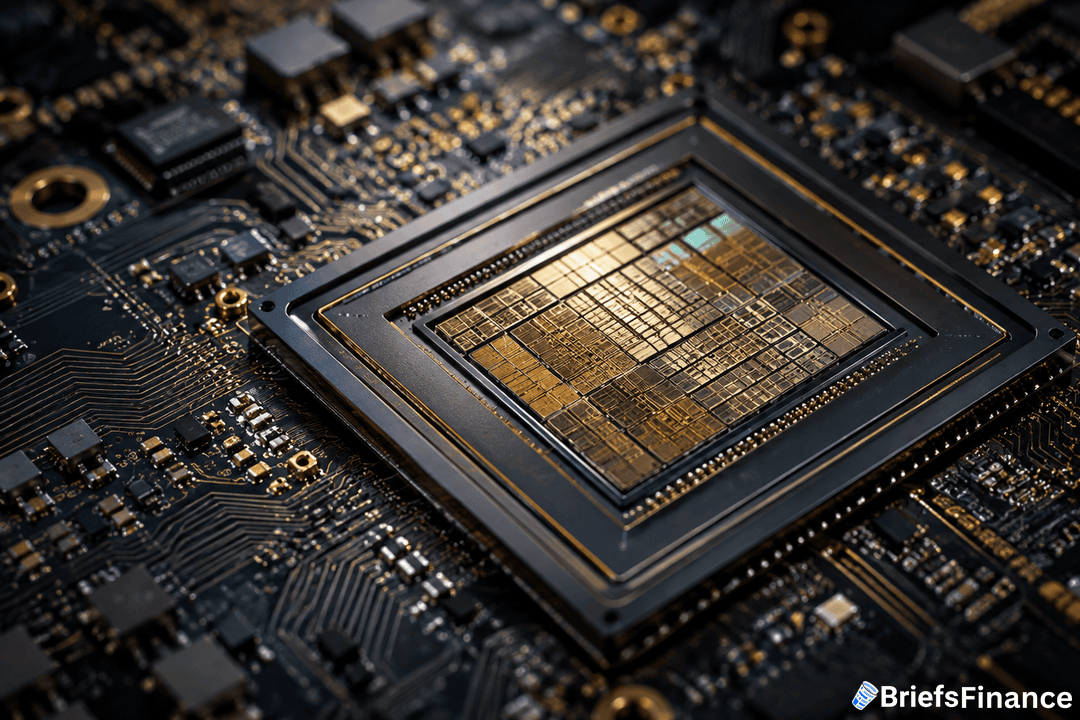
Microsoft has been talking with Taiwan Semiconductor Manufacturing Co., the world's largest chip foundry, about reserving space to make more than 300,000 of its latest AI processors, according to a report from The Information on August 10, 2026. The chips would be delivered sometime in 2027.
The report, which relies on unnamed people with knowledge of the talks, says the tech giant plans to introduce the Maia 300 processor this fall. When asked by The Information, an executive would not confirm specific output volumes but said the larger goal is to produce gigawatts' worth of these chips.
To put that in plain terms, Microsoft is not just dipping a toe in the chip business. It is planning to build a serious power source for AI computing.
Why Microsoft Wants Its Own Chips
The short answer is Nvidia. Its chips are the industry standard for AI work, but they cost a fortune and supplies run tight. That has sent the big cloud companies hunting for alternatives that can do the job for less.
Get the free Always Be Buying eBook and learn the simple system for building wealth on any income
Microsoft's chip line is still young. Amazon and Google started building custom processors years earlier, and their chips are already widely used for AI services. Its rivals' early lead has given them years of experience integrating custom accelerators into their clouds. Anthropic has signed contracts for 1 million Amazon Trainium chips, plus Google's Tensor Processing Unit accelerators.
Amazon's Trainium and Google's TPU have been in production for years, and they are already deeply integrated into their respective cloud platforms. Microsoft's Maia line, by contrast, is still catching up. The company has been investing heavily in data center infrastructure, and its own silicon could eventually give it more control over performance and costs. But the gap is real: Anthropic, a major AI lab, has already committed to using 1 million Amazon Trainium chips and Google's TPUs, signaling that customers are willing to adopt custom alternatives to Nvidia.
Microsoft's Maia line is not considered as developed as those rivals yet. But the company is clearly trying to close the gap. All three cloud giants want chips that fit into their data centers and give customers lower costs and better efficiency. Owning the chip design is one way to get there.
What This Means for Your Portfolio
The stock market took the news well. Microsoft shares were about 1.3% higher as of 9:48 a.m. in New York.
For investors, this is a story about competition finally arriving in a market that has been dominated by one name. When the biggest cloud providers start making their own chips, it changes the math for everyone. It gives them leverage in price talks with Nvidia. It also means the AI boom is not a one-company show anymore.
The real question is whether Microsoft can deliver on this scale. Making over 300,000 chips is a huge manufacturing feat, and the company is starting from behind. But the direction is clear: the biggest buyers of AI chips do not want to depend on a single supplier forever.
For your portfolio, that is worth watching. The race to build cheaper, faster AI hardware is just getting going, and the winners will shape how the next wave of AI products get priced and delivered.
Download the free Always Be Buying eBook and start putting your money to work today