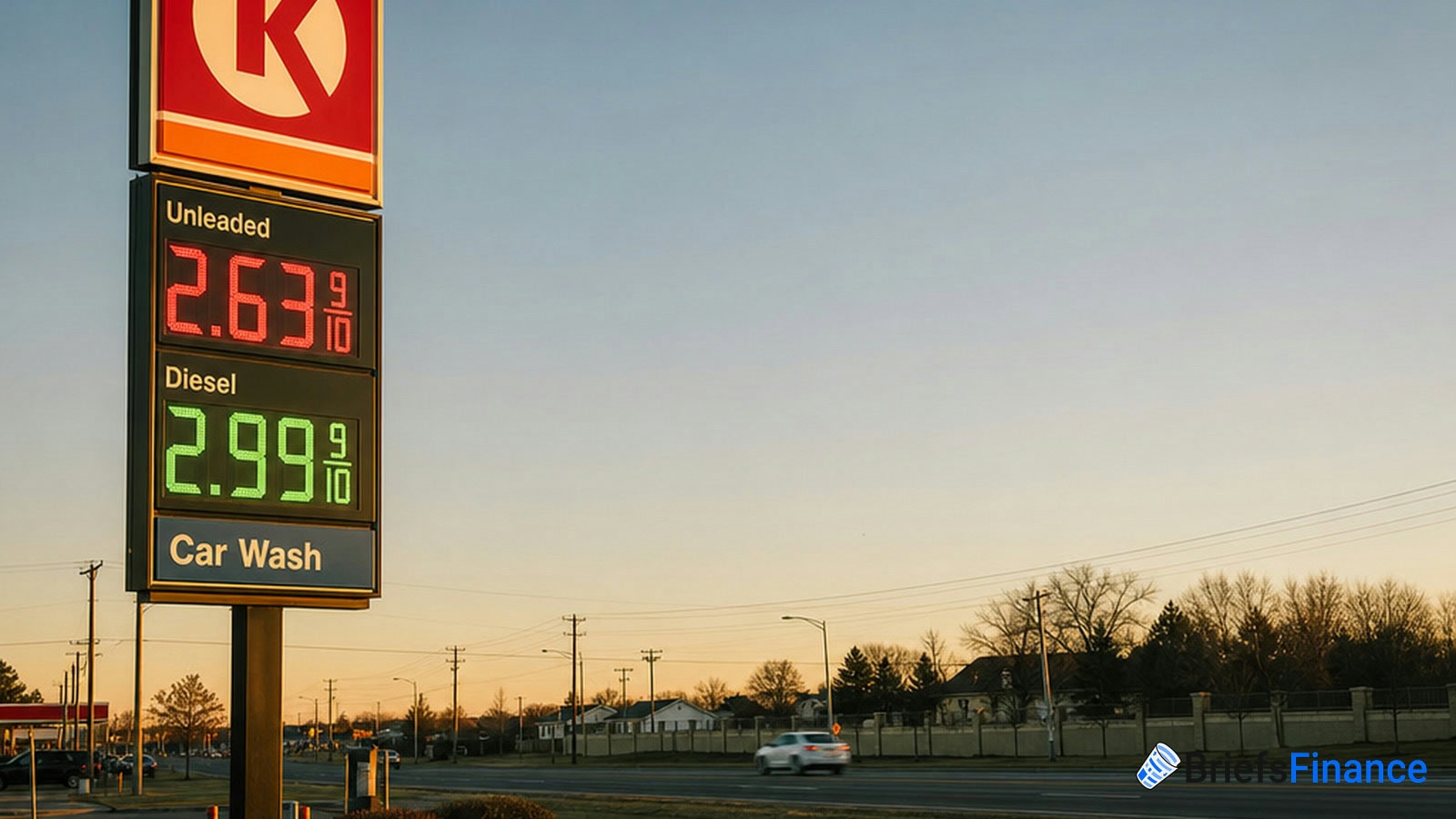
Gas slipped under $4 a gallon Thursday for the first time since March, with the drop coming days after the US and Iran signed a deal ending the war. Drivers are still paying about a third more than they were in February, before the conflict pushed crude prices sharply higher.
The War Premium Is Coming Off Fast
Brent crude - the global oil benchmark - dropped under $78 a barrel Thursday after the US-Iran agreement was signed. That's down sharply from late March, when it nearly touched $120 as fears of a wider regional war sent traders running for cover.
The trigger all along was the Strait of Hormuz, the narrow Iran-controlled waterway off the Persian Gulf. About 20% of the world's oil and liquefied natural gas moves through it, so shutting it down earlier this year choked global supply almost overnight.
Pakistan's Prime Minister Shehbaz Sharif, who helped broker the deal, said Iran will reopen the Strait and the US will lift its naval blockade. Tanker traffic is expected to resume normal flows within days, easing the supply squeeze that drove the spring price spike.
Traders priced in the news fast. Crude futures have shed more than $40 a barrel since the late-March peak, one of the sharpest moves in years outside of a recession.
Every morning, Market Briefs breaks down what stories like this actually mean for your money - in five minutes, plus a free investing masterclass when you join.
Drivers Aren't Back To Pre-War Prices
The national average sits at $3.99 a gallon, according to AAA, down from a late-May peak above $4.50. In late February, before the war started, it was $2.98 - meaning drivers are still paying about a third more than they were four months ago.
The dollar-a-gallon gap may not sound huge, but for households filling up two cars a week, it adds up to hundreds of extra dollars a year compared to pre-war prices.
The state-by-state spread is wide. California drivers are still handing over $5.64 a gallon, while Indiana - the cheapest state in the country - sits at $3.39.
The gap between crude and pump prices comes down to lag. Refiners buy oil weeks before it shows up as gasoline at the station, so the recent crude drop won't fully reach drivers for another few weeks.
Demand is the other half. Summer driving season is in full swing, and with peak travel weeks ahead, refiners have little reason to cut prices faster than they have to.
What To Watch
Oil has tracked the headlines move for move since this conflict started, with every escalation sending crude up and every step toward peace pulling it back down. The US-Iran deal is the biggest move yet, but markets are watching to see whether it actually holds.
Gas prices also feed straight into inflation data, which means a sustained drop at the pump could give the Fed a little more room to cut rates later this year.
If the deal holds, gas keeps falling through the summer. If it breaks, drivers will feel it at the pump within days.
Crude has already moved on. The pump hasn't yet.
Join 350,000+ investors reading Market Briefs for the daily read on what's actually moving markets - you also get a 45-minute investing course as a bonus.