Free NewsletterPro Login

Fed Signals Rate Hikes, Treasury Yields Jump

Published Jun 17, 2026
Share:
Summary:
  • The Fed held rates steady but its dot plot showed half the committee expects at least one rate hike before year-end, with six members wanting two or more increases.
  • Two-year Treasury yields jumped 11 basis points to 4.16% within minutes, while the gap between two-year and 10-year yields shrank to under 30 basis points, the smallest spread in more than a year.
  • Markets are now pricing in a September hike as likely and a December hike as a near certainty, a sharp reversal from earlier bets on multiple cuts throughout 2026.

Wall Street spent months betting the Fed would cut rates in 2026, but Wednesday's meeting flipped that bet on its head.

On Wednesday afternoon, the central bank held rates steady while releasing its dot plot - the quarterly chart that shows where each Fed official thinks rates are headed.

Half the committee now expects at least one hike this year, with six members wanting two or more rate increases before the calendar runs out.

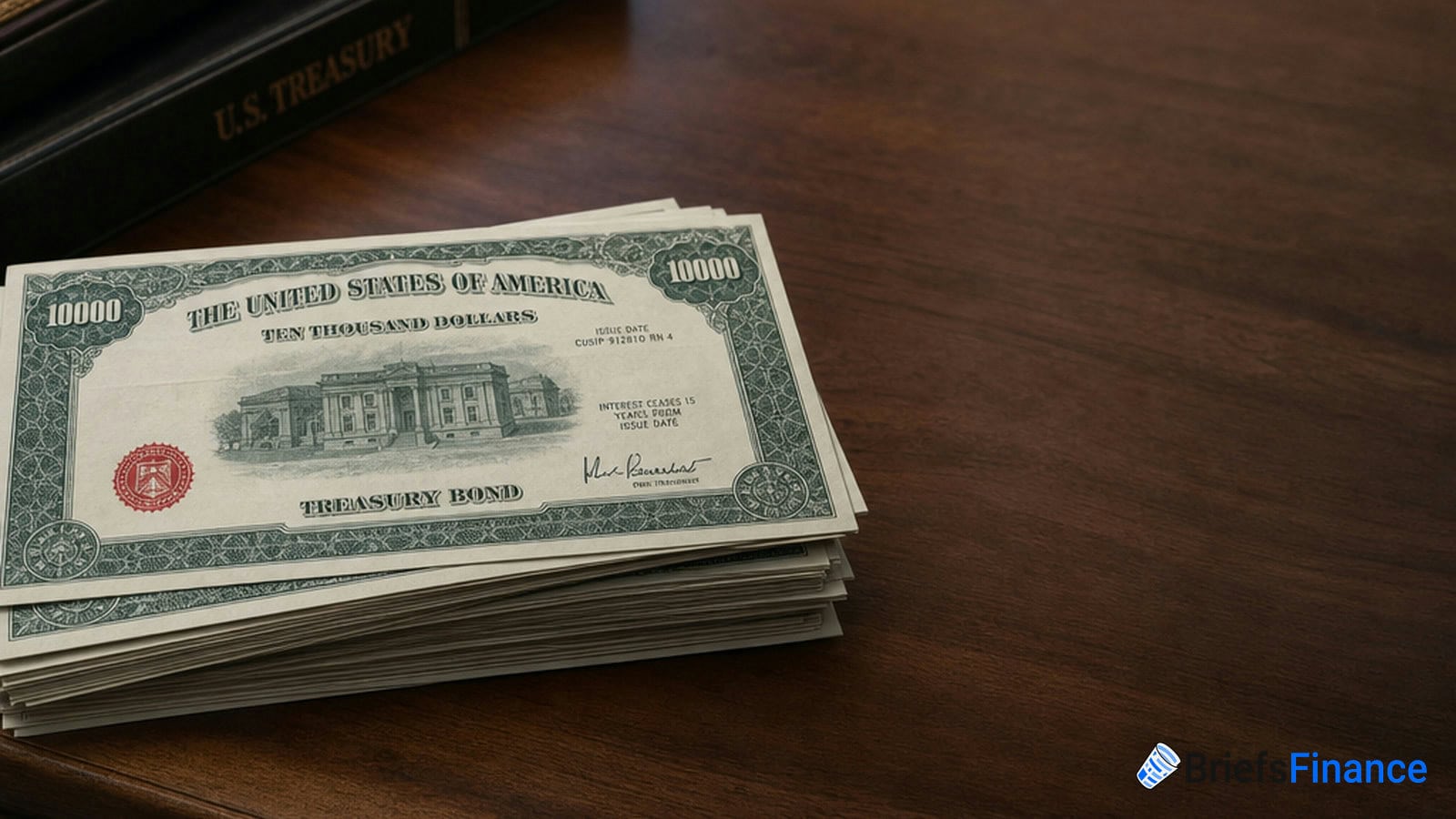
The bond market reacted within minutes, with two-year Treasury yields jumping 11 basis points to 4.16% while the dollar climbed alongside them.

Quick definition: A basis point is one-hundredth of a percent, or 0.01%. Yields are the interest rate the government pays to borrow money - when they rise, borrowing costs across the rest of the economy tend to go up too.

That includes everything from credit cards to car loans to corporate debt across the country, which is why a single dot plot release can shift markets within seconds.

The two-year yield reacts most directly to Fed expectations, which is why an 11-basis-point swing on a single afternoon stands out as the market's quick verdict on what just got said.

How The Outlook Flipped

Earlier this year, traders were running the opposite playbook entirely.

President Trump's pick of Kevin Warsh to chair the Fed was widely read as a green light for cuts, sending traders piling into bets on multiple quarter-point reductions throughout 2026.

That trade unwound fast after the US and Israel launched attacks on Iran in late February, sending energy prices up and reviving inflation worries across the broader economy.

The pressure kept building as economic data came in stronger than anyone expected through the spring, leaving the Fed with little reason to cut and a growing case to tighten instead.

Every morning, Market Briefs breaks down moves like this in plain English - plus a free 45-minute investing masterclass when you join.

The Yield Curve Is Flattening

The gap between two-year and 10-year Treasury yields shrank to under 30 basis points - the smallest spread in more than a year.

That's called a flattening yield curve, and it usually signals one thing: investors expect the Fed's hikes to slow the economy down over time.

The slowdown signal ripples well beyond the bond market since 10-year yields drive mortgage rates and other big loans, with Treasuries as a whole falling about 1.5% since late February.

Bob Michele, who runs fixed income at JPMorgan Asset Management, sees the same picture and called the Fed's signal a "shot across the bow" for anyone still positioned for cuts.

"I think they're getting ready for rate hikes," he added.

What To Watch

The next Fed meeting is the one to watch, with markets now pricing in a September hike as likely and a December one as a done deal.

If inflation, jobs, and energy keep running hot through the summer, the debate shifts from whether to hike to how many - and whether the yield curve inverts before year-end.

If you want this kind of read every morning, join 350,000+ investors reading Market Briefs - you also get a free masterclass on finding investments thrown in as a bonus.

Disclosure

Get Market Briefs delivered to your inbox every morning for free!

No fluff. No noise. No politics. Just finance news you can read in 5 minutes.

Blogs

June 17, 2026
What Are Penny Stocks? Risks and Rewards Explained
  • Penny stocks are very low-priced shares of very small companies, often trading for just a few dollars or less.
  • They promise huge gains but carry huge risks: low liquidity, high failure rates, and wild price swings.
  • Most investors are better served by quality companies and funds than by chasing cheap shares.
Read More
June 17, 2026
Best Stocks for Beginners With Little Money
  • The best stocks for beginners with little money usually aren't individual stocks at all - they're low-cost index funds.
  • You can start with $100 or less and use small, regular investments to build wealth over time.
  • Focus on diversification and consistency, not on picking the next big winner.
Read More
June 16, 2026
Tech Stocks: A Simple Guide for New Investors
  • Tech stocks are companies in the information technology and related sectors, from software to chips to the internet giants.
  • They've driven much of the market's growth, but they can be volatile and richly valued.
  • The smart approach is to understand what you own and not let one sector run your whole portfolio.
Read More
June 16, 2026
What Is a Joint Stock Company? A Simple Guide
  • A joint stock company is a business owned by many people, each holding shares of stock that represent a slice of ownership.
  • It's the basic idea behind every public company you can buy on the stock market today.
  • Owning a share makes you a part-owner, entitled to a piece of the profits and growth.
Read More
June 16, 2026
Capital Gains Tax in California: A Simple Guide
  • Capital gains tax is what you owe when you sell an investment for more than you paid for it.
  • How long you held it matters: long-term gains are taxed more gently than short-term gains at the federal level.
  • Smart investors lower the bill with tools like tax-loss harvesting and holding for the long run.
Read More
June 15, 2026
Top Covered Call ETFs: How to Compare Them
  • Top covered call ETFs are income funds that own stocks and sell call options against them to generate steady cash.
  • The best one for you is the fund whose income, holdings, and fees fit your goals, not simply the one with the flashiest yield.
  • They all share one trade-off: more income today, less upside in a big rally.
Read More
June 15, 2026
What Are Stock Options? A Plain-English Guide
  • Stock options are contracts that give you the right, but not the obligation, to buy or sell a stock at a set price by a set date.
  • There are two kinds: calls (the right to buy) and puts (the right to sell).
  • Options can multiply gains or wipe out your money fast, so they suit investors who already know the basics.
Read More
June 15, 2026
EBITDA Margin: What It Is and How to Calculate It
  • EBITDA margin measures how much core profit a company keeps from each dollar of sales, before interest, taxes, and accounting deductions.
  • The formula is EBITDA divided by revenue, shown as a percent.
  • A higher, steadier EBITDA margin usually signals a more efficient, more durable business.
Read More
June 15, 2026
What Is Taxable Income? A Simple Guide for Investors
  • Taxable income is the portion of your money the government can tax after deductions are applied.
  • Not all income is taxed the same: job income, investment income, and passive income face different rates.
  • Investors and business owners get more tools to legally lower their taxable income, which is a big edge over time.
Read More
June 15, 2026
What Is a Covered Call? How the Strategy Works
  • A covered call is an options strategy where you own a stock and sell someone the right to buy it from you at a higher price.
  • You collect cash, called the premium, up front, and keep it no matter what happens.
  • The trade-off: if the stock soars, your shares get sold at the set price and you miss the extra upside.
Read More
1 2 3 23
Share via
Copy link










