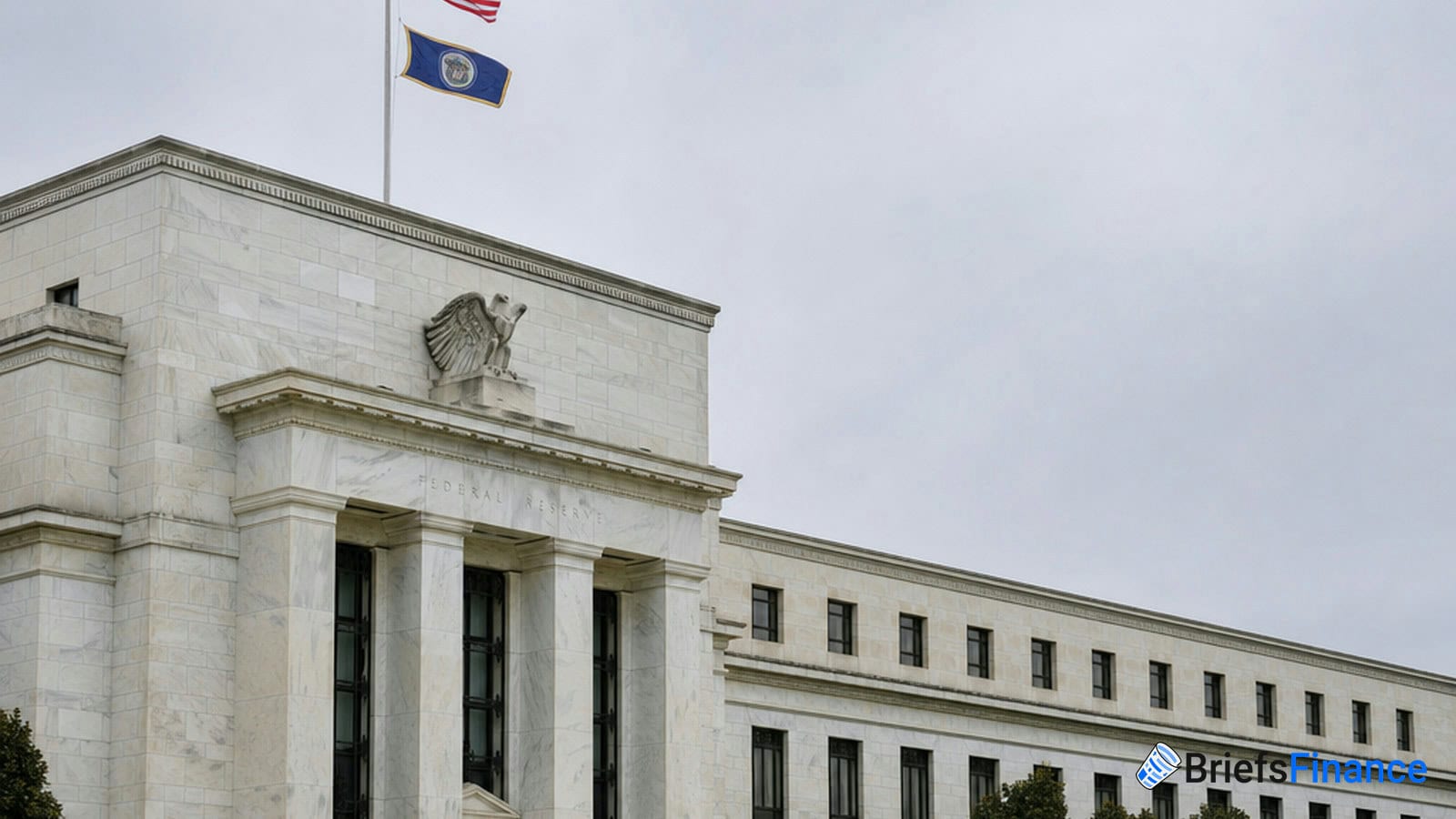
Markets spent the spring bracing for the Fed to either pause or hike - and the Fed just confirmed the hawkish read.
The Fed left rates unchanged but signaled higher rates may be ahead, leaving the riskiest corners of the market most exposed.
What The Fed Actually Said
The Fed held its benchmark rate at 3.50%-3.75% for the fourth straight meeting, but the new dot plot took a sharply more hawkish turn. Officials flagged sticky inflation and a still-firm jobs market as reasons to keep rates high - or push them higher.
The median 2026 fed funds projection jumped to 3.8% from 3.4% in March, and nine of 18 officials now see rates ending the year above the current range. The Fed also raised its 2026 headline PCE inflation forecast to 3.6% from 2.7%.
This was Chair Kevin Warsh's first meeting at the helm after Powell's term ended in May - and Warsh didn't submit a dot of his own.
Heading into the decision, futures markets were already leaning toward a hike rather than a cut. After the dots dropped, traders moved to price in a hike as soon as October.
When the Fed shifts, what it means for your portfolio gets confusing fast. Market Briefs breaks it down every morning in five minutes - and you get a free investing masterclass when you join.
Why The Frothy Parts Of The Market Are At Risk
High rates do two things to the most expensive corners of the market.
First, they make borrowing pricier for the companies driving the rally. Second, they make safer bets like Treasuries - the interest-paying bonds the U.S. government issues - look more attractive than risky bets on future growth.
That's a problem for the names that have run the hardest. AI-linked stocks, crypto, and other high-priced tech all priced in a world of falling rates.
A Fed that may hike instead of cut pulls that rug.
When money is cheap, investors will pay almost anything for a story about future growth. When money gets expensive, they want proof now.
What To Watch
The next few inflation reports and Fed meetings will decide how this plays out.
If prices cool fast, the Fed gets room to step back and the bubble talk fades. If they stay hot, the gap between what markets want and what the Fed will deliver gets wider.
The days of betting on cheap money are getting harder to defend.
Want this kind of read on the market every day? Join 350,000+ investors reading Market Briefs - you also get a 45-minute investing course as a bonus.