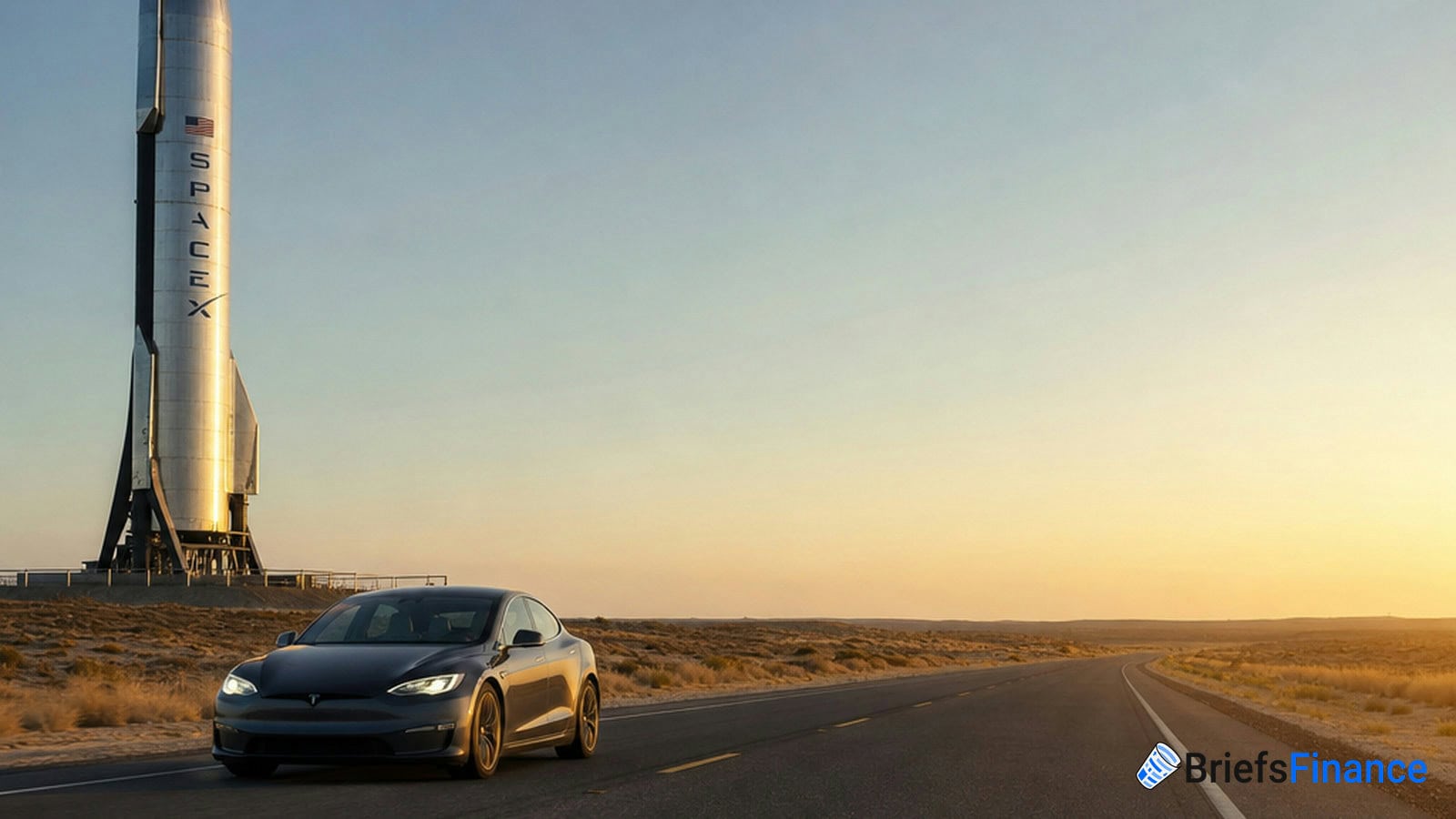
SpaceX just pulled off the biggest IPO in history, and Wall Street is already focused on what could come next.
Many investors think Musk's next move is to fold SpaceX into Tesla, creating a single company worth around $4 trillion.
The hard part isn't the math - it's that he'd basically be selling one of his companies to himself.
Both Companies Moved Their Legal Home To Texas
Last year, Tesla quietly changed its legal home from Delaware to Texas, and SpaceX made the same move in 2024.
The reason was a Delaware court ruling. It struck down Musk's 2018 pay deal, which was worth tens of billions of dollars at the time.
That ruling was later overturned on appeal, but the move to Texas stuck anyway and gave the company a fresh legal playbook.
Texas corporate law makes it much harder for shareholders to sue over deals where management sits on both sides.
In Delaware, those kinds of deals get the toughest legal review on the books. Judges look at the price, the process, and every other detail.
The Texas rules are far friendlier to management, with much less room for shareholders to argue the deal was unfair.
Texas also limits who can even file suit. The rules allow companies to require ownership stakes of up to 3% to bring derivative claims, which basically shuts out smaller holders.
That matters here because of who would sit on both sides of a possible merger.
Every morning, Market Briefs breaks down the moves Wall Street is actually watching - in five minutes a day, plus a free investing masterclass when you join.
Musk Would Sit On Both Sides Of The Deal
Musk runs SpaceX and owns the largest stake in Tesla. A merger of the two would basically be one Musk-led company buying another.
That setup almost always invites lawsuits from shareholders who think one side got a worse price than the other.
Legal experts say those suits are likely, but unlikely to stop the deal once it's filed in a Texas court.
Beyond the courts, the Texas move shifts power for everyday Tesla shareholders. They get less of a say in big company decisions, and a much harder path if they think management got it wrong.
Even setting the legal questions aside, the two companies have been drifting toward this for years. They already share leaders, resources, and projects worth billions.
Some investors view a combined Tesla-SpaceX as Musk's long-planned endgame. The EV business, the rocket business, and Starlink would all sit under one stock.
What To Watch
Even a top SpaceX leader has talked publicly about merging the two. That kind of comment rarely happens without a plan behind it.
On top of that, the legal cover is in place, the business ties are already deep, and the only real question now is timing.
When that timing arrives, Tesla shareholders would likely get a vote, with their answer coming after years of debate over Musk's pay and his focus across companies. [NEEDS MANUAL VERIFICATION: source does not explicitly state shareholders would get a vote]
Want this kind of read on the market every morning? Join 350,000+ investors reading Market Briefs and get a 45-minute investing course thrown in as a bonus.