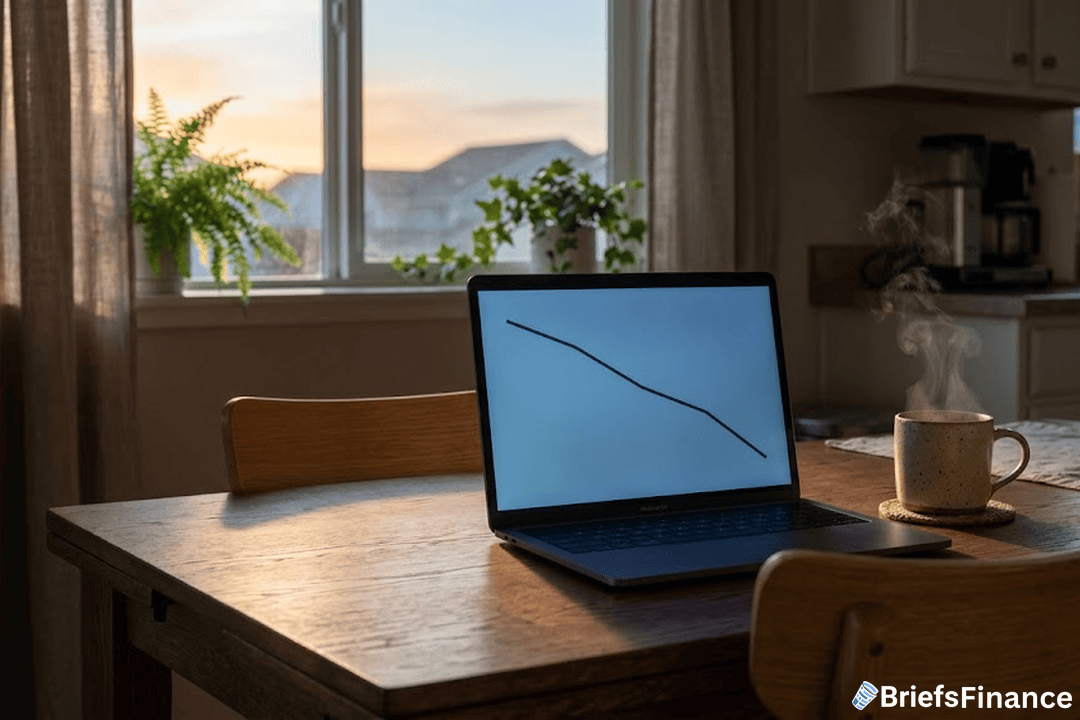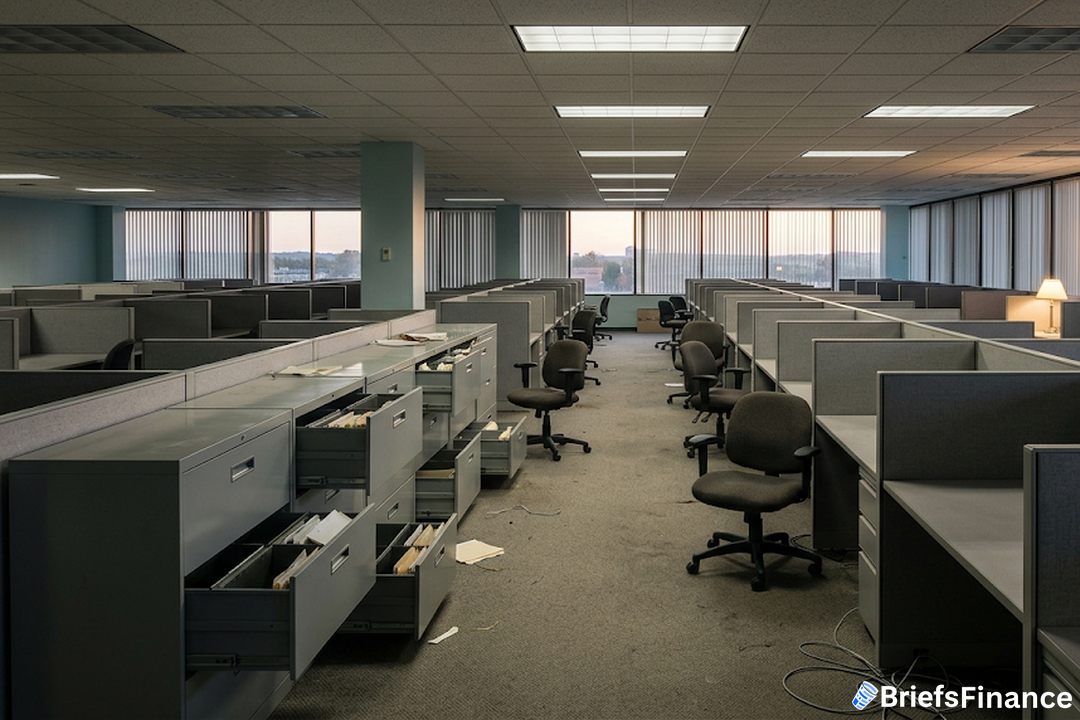
A recession is a significant decline in economic activity that is spread across the economy and lasts more than a few months. That's the definition used by the National Bureau of Economic Research, the group that officially dates US recessions.
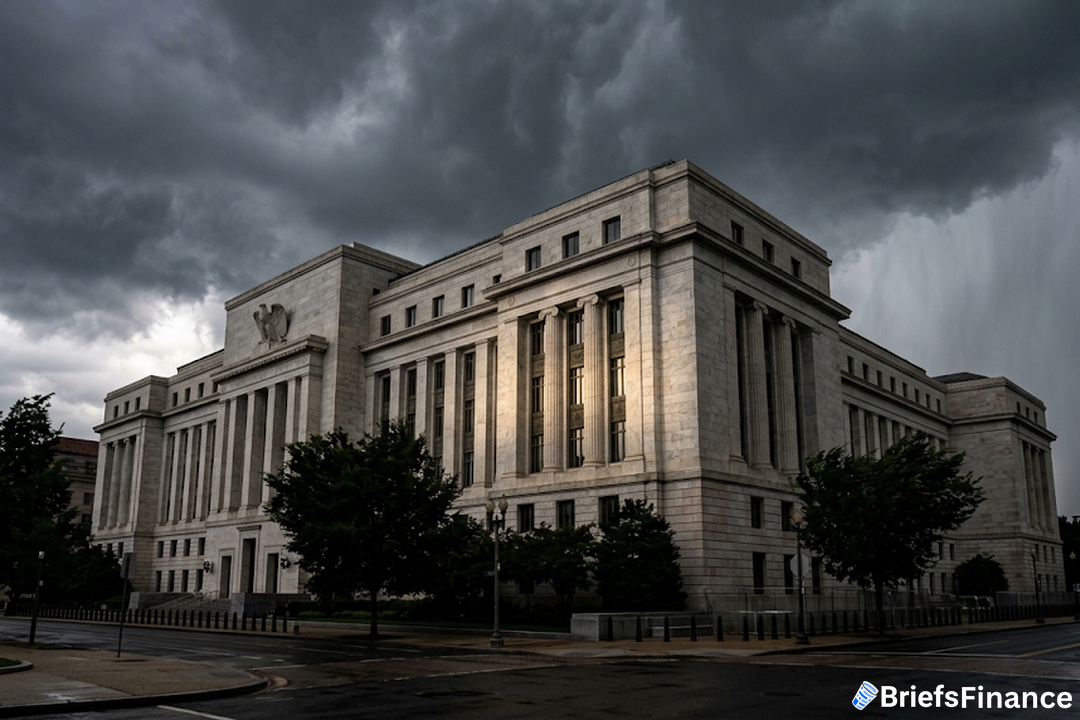
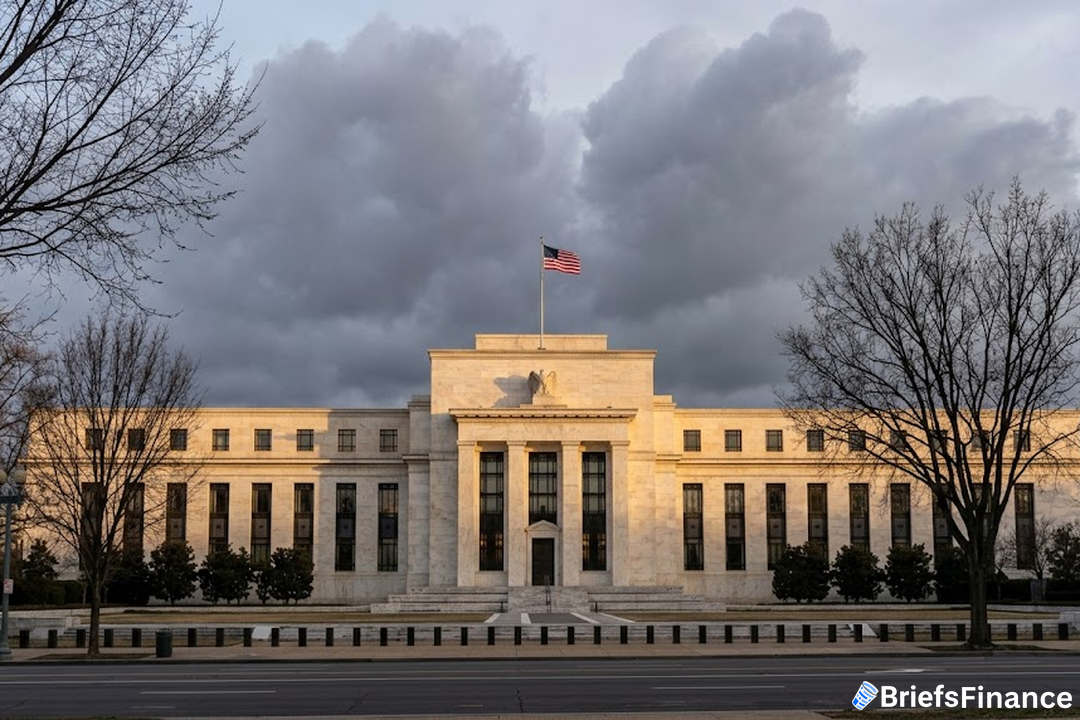
Why is it in the news? On September 16, 2026, the Federal Reserve raised its rate target by a quarter point, to 3.75% to 4%, its first increase of the year, and on October 28 it held the target there. Higher rates make a mortgage, a car loan, a credit card or a business loan more expensive, so people and businesses borrow less, and that is meant to slow the economy.
What does history say? The Fed ran five completed rate hiking cycles from 1994 to 1995 through 2022 to 2023, and in none of them did a recession start while the hikes were underway. Economic and market outcomes differed across cycles. Those examples do not establish that hikes reliably pop a bubble or predict the next recession. Below we go through each cycle, where the strain is showing up first this time and how investors approach the market with or without a recession. To follow the economy as it happens, get the free Market Briefs newsletter, one email every morning on the economy, stocks, real estate and crypto in under 5 minutes.
Investing involves risk including loss, and past performance does not indicate future results.
Five Rate Hiking Cycles, Zero Recessions During the Hikes
| Cycle | Length | Fed rate went from | Stocks during | Economy during | What came after |
|---|---|---|---|---|---|
| 2022 to 2023 | 17 months | About 0.25% to about 5.5% | Up about 5%, with a 20% drop in 2022 | Grew, no recession | No recession |
| 2015 to 2018 | About 3 years | Near 0% to around 2% to 2.5% | Up about 21% | Grew, no recession | The next recession was February to April 2020, during the pandemic; it did not begin during the hikes. |
| 2004 to 2006 | About 2 years | About 1% to a little over 5% | Up 13% | Grew | Housing crash, stocks down more than 50%, Great Recession |
| 1999 to 2000 | About 1 year | About 4.75% to 6.5% | Up 9% | Grew | Dot-com bust, stocks down about 46%, recession in 2001 |
| 1994 to 1995 | About 1 year | About 3% to 6% | Flat | Grew | Nothing major until the dot-com bust |
The most recent cycle, 2022 to 2023, was the aggressive one, and the one time stocks crashed during the hikes: the market fell around 20% in 2022, then recovered in 2023. That cycle was unusual because the Fed was fighting the inflation that came from pandemic money printing, and even then the economy never cracked.
2004 to 2006: The Hikes That Popped the Housing Bubble
Home prices were booming in the early 2000s. Mortgage rates were low, adjustable rate mortgages were everywhere, and lenders handed out loans with low teaser rates to buyers who didn't even have to show an income.
There were even NINJA loans - no income, no job, no assets. You could buy a house, list it three months later, and pocket a profit, so everybody felt like a genius real estate investor.
The Fed spent two years raising rates to cool that market down, and the pain came after, not during. Higher rates reset the payments on all those 3-year and 5-year adjustable rate mortgages, so a $300,000 loan that cost 3% was suddenly costing 5%.
Homeowners who couldn't afford the new payment tried to refinance, and that's when they found out the house had lost value instead of gaining it. They were underwater, meaning they owed more than the home was worth.
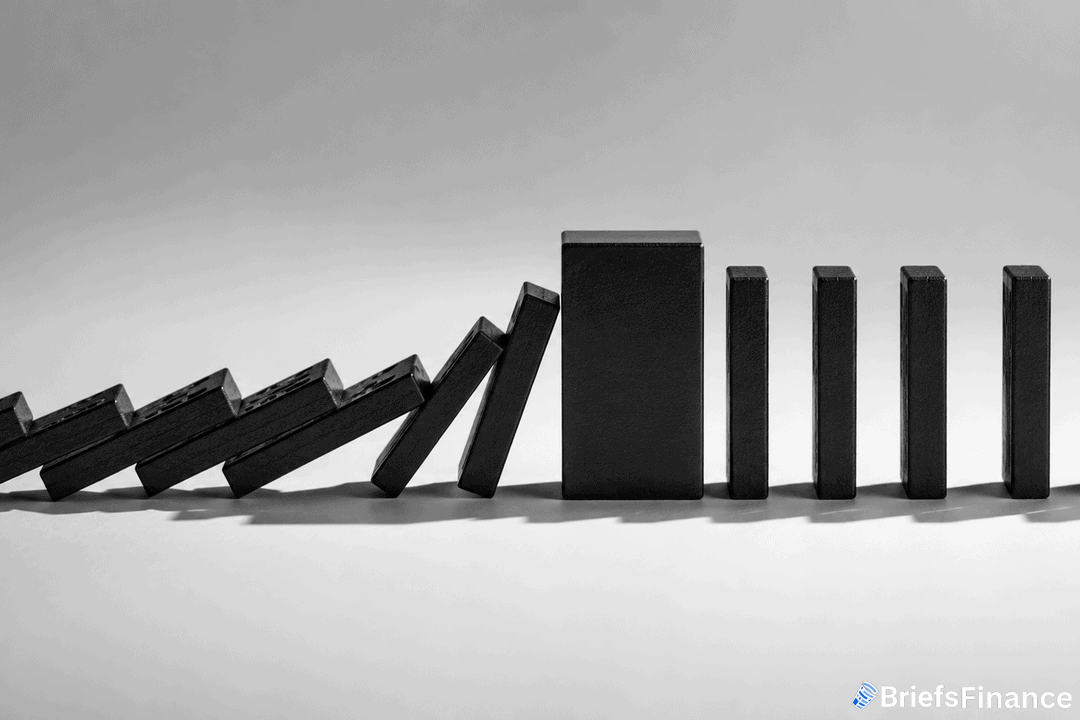
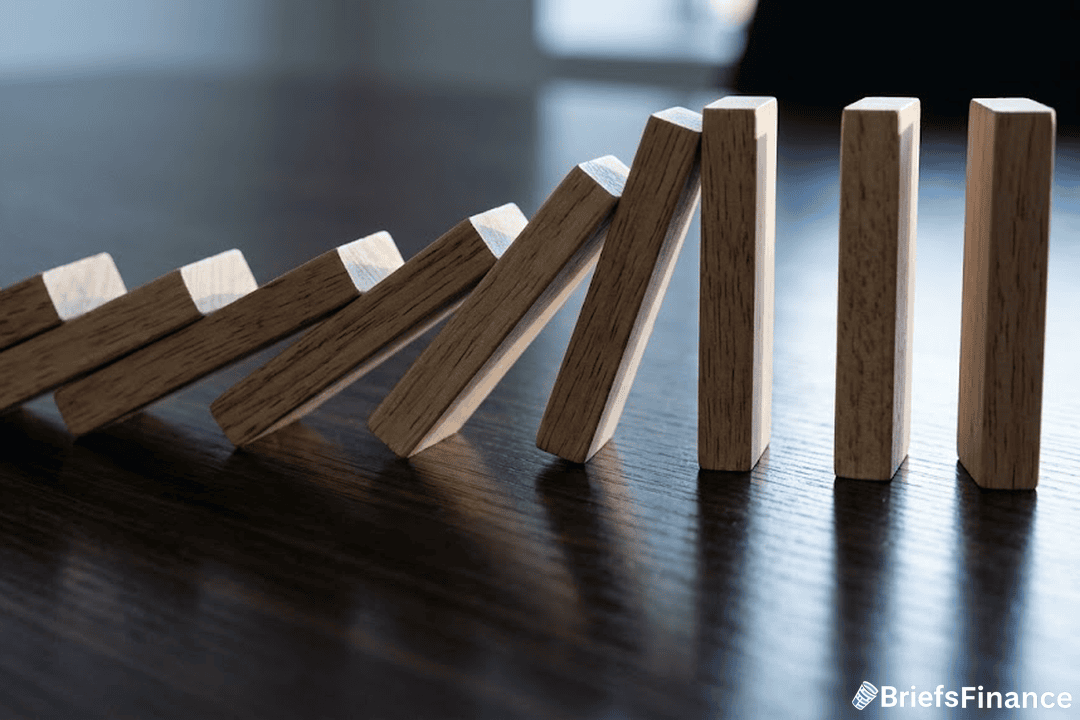
That flood of underwater homeowners tipped the dominoes into the Great Recession. The stock market fell more than 50%, the housing market crashed across the country, and those rate hikes are what popped the bubble.
1999 to 2000: The Hikes That Popped the Dot-Com Bubble
Leading up to 1999, internet valuations were skyrocketing. You could walk into a venture capital firm with a plan to sell carpet online, call it carpets.com, and raise millions of dollars on the idea alone.
Businesses with no revenue were getting multimillion dollar valuations and going public to raise even more. The Fed raised rates from about 4.75% to 6.5% over about a year to contain it.
The hikes themselves didn't break anything. After 2000 the bubble burst: the broad stock market fell about 46%, the Nasdaq, home to the internet companies, fell about 78%, and a recession arrived in 2001.
Across all five cycles, no recession started while the Fed was raising rates, and the only crash during a cycle was 2022's. When real pain came, it came after the hikes.
Why the Recession Fears Are Valid: Higher Rates Are Built to Slow Spending
Higher rates are meant to slow the economy down - that is their whole purpose, because the Fed believes a slower economy means slower inflation.
The connection runs through borrowing. Banks create deposits when they lend, subject to capital, liquidity and other constraints. US reserve-requirement ratios have been zero since March 26, 2020; there is no fixed ten-times lending rule.
Raising rates makes loans more expensive, so people borrow less and banks create less new money through lending.
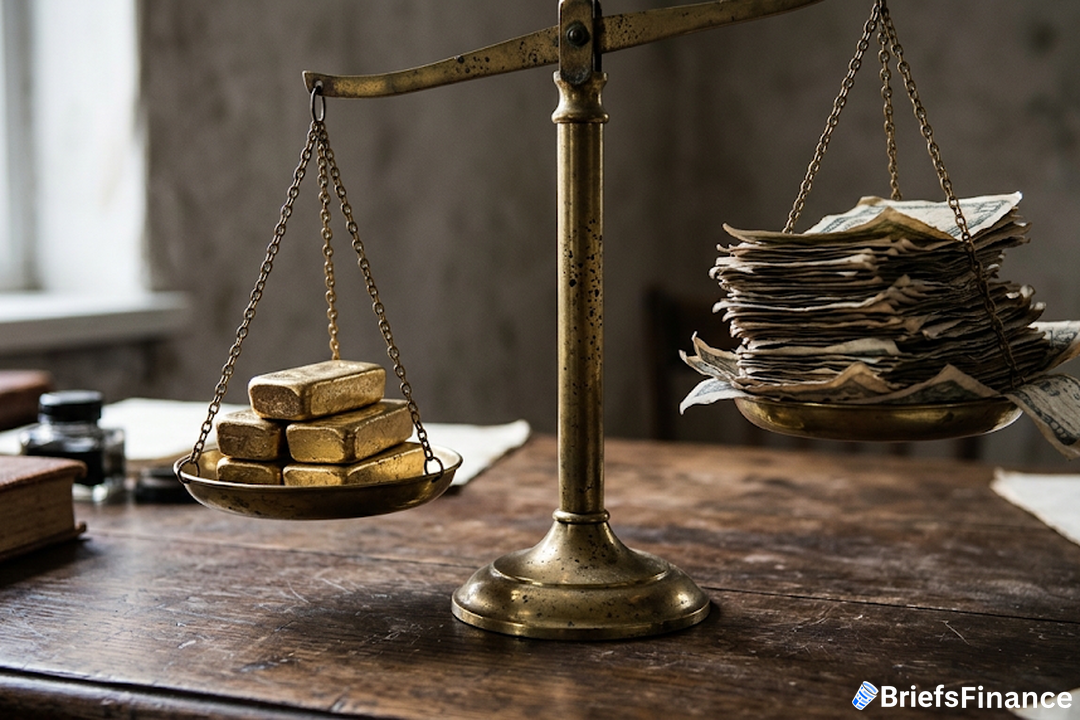
The reason that slows the whole economy is that the US runs on credit, not cash. If you earn $100, your buying power isn't $100 - it's the $100 in your pocket plus the $100 of room on the Amex in your pocket, so $200.
When rates go up, that $200 shrinks, because you can't borrow as much when borrowing costs more.
The Recession Risk Comes Down to Two Things: How High and How Long
How much economic pain shows up depends on how much higher rates go and how long they stay there, and the Fed is walking a tightrope on both.
On one side, inflation is almost twice what the Fed wants, and the Fed itself says it doesn't know when inflation will fall. Three things are pushing prices up: high oil prices from the Middle East, tariffs, and a national debt that keeps growing faster than the economy.
Some investors worry that heavy government borrowing adds to inflation pressure. If inflation slows sooner, there's less pain; if the Fed has to keep hiking, there's more.
Any of the three could ease: the war could end soon and bring oil and gas prices down, tariffs could change, and the government could stop outspending the economy. That said, there have been moments when people thought the war was over and gas prices stayed high anyway.
Nobody can predict which comes first, Jaspreet included. His answer is to study history and make smarter decisions with his money.
Where the Recession Risk Shows Up First: Private Equity and Private Credit
Businesses get hit twice. New loans cost more, and the debt they already carry gets more expensive too, because commercial loans don't come with a 30-year fixed rate - they adjust.
As those loans reset, a company's cost of operating goes up even if it never borrows another dollar. Two industries are already feeling that pinch.
What Is Private Equity, and Why So Much of It Is Underwater
Private equity firms buy businesses, and they price them as a multiple of profit. A company earning $1,000 a year might be worth $5,000 to one buyer (5 times profit) and $10,000 to another (10 times).
Five years ago, private equity firms were paying 20 times profit, double what anyone else on the street would offer. They could do that because 2021 had the lowest interest rates ever, so they borrowed enormous sums at essentially 0% and went shopping.
Every firm had the same cheap debt to put to work, so they bid against each other. It worked like the 2021 housing market, where everyone had a 3% mortgage, a $500,000 house got 34 offers in its first weekend, and it sold for $615,000.
Two differences made it riskier than housing. Private equity debt resets instead of being locked for 30 years, and the firms never planned to hold the business, because the plan was to flip it.
Flipping works in two ways: grow the profit, and raise the multiple. Take a company from $1,000 of profit to $2,000 and the valuation doubles, then sell it at 22 times instead of 20 and it rises again.
Then rates went up and both levers broke. Valuations fell from 20 times profit to 10, and now in 2026 the five-year loans from 2021 are resetting at much higher rates.
So firms are paying more interest on businesses worth half what they paid, and many of those businesses didn't grow profits much either, between inflation and plain slow growth. They're underwater, paying out of pocket to keep operating or trying to get the "bad assets" off their books.
Private equity firms can only absorb losses for so long. If rates stay higher for longer, expect to hear more about:
- Smaller firms running fire sales of their assets
- Firms getting acquired by other private equity firms because they can't keep paying their loans
- More private equity bankruptcies
Private Credit Was Sold Like a Savings Account
Where private equity buys businesses, private credit lends to them, and the money came from regular investors.
The pitch was simple. Instead of a savings account paying 1% a year, lend to a private credit fund for 8%, pretty much guaranteed, and pull your money out whenever you want, just like a bank.
For a while it worked, and investors collected 7%, 8%, 9% a year. Then rates went up, and that should have been good news, since the loans now paid more, but the businesses on the other end couldn't keep up as the economy changed.
As businesses stopped paying, the funds behind the loans started to struggle. Earlier in 2026, investors saw the trouble and tried to pull their money out.
Every manager's hope was that rates would fall soon and the problem would fade, but here we are near the end of 2026 and rates are rising instead. Those managers are scrambling to survive the storm, and the longer it lasts, the fewer of them make it out.
Rate Hikes Hurt Someone. So Do Rate Cuts.
This is the point where investors freak out, and it's exactly where Jaspreet says not to, because the story is the opportunity, not the pain.
When rates go up, somebody gets hurt, and when rates go down, somebody gets hurt too, because cash loses value faster. There is always a winner and a loser, and an investor's job is to find the opportunity in the cycle instead of complaining about it.
How long will this cycle last? Nobody knows, but the last five ran 17 months, three years, two years, one year, and one year, so history points to somewhere between one and three years.
Higher rates are built to slow spending, not to guarantee a recession or a stock market crash. Economic and market outcomes differed across cycles. Those examples do not establish that hikes reliably pop a bubble or predict the next recession.
The thing to pay attention to isn't the news or the emotion - it's how the system works.
The Headlines Are About to Flip From the Dollar to a Recession
Expect more recession headlines in the coming weeks and months. For the last several months the headlines were about the dollar - a dollar crisis, the dollar falling, the dollar this and that - and that story is about to flip.
The last two years were a stretch of low rates and money printing, and that's when people worry about the dollar losing value. Now the Fed has committed to protecting the dollar by raising rates.
The dollar concerns haven't gone away, but the media chases whatever is trending, so the worry shifts from a weak dollar to a weak economy. The media is in the business of selling clicks, and Jaspreet is the first to admit YouTube is too.
The danger is making investment decisions off those headlines. Emotions are the enemy of profits, and the investor who panics and sells good investments at a discount is the one making everybody else rich.
How to Build Wealth Through a Recession, or Without One
Jaspreet is careful to say he's not a financial advisor and can't recommend anything to anyone. What he lays out instead is how some investors approach the market.
Investing Through Ups and Downs
Some investors use dollar-cost averaging, investing fixed amounts on a schedule. Others assess assets after price declines. Neither approach guarantees profits, and a lower price alone does not establish that an investment is suitable or undervalued.
Market Shifts
A market shift can happen in any economy, whether markets are at highs, at lows, or going sideways. Jaspreet calls it investing based on research: spotting where money is moving before it hits the headlines.
Think investing in AI years ago, AI cooling systems two years ago, or data centers a year ago. The financially savvy investors aren't chasing stories after they trend; they're working to find them first.
Finding them first means paying attention every day. Jaspreet's team writes Market Briefs for that, a fun, free newsletter that lands every morning.
That comes with more risk, because investing is never guaranteed to make money and at some point you will lose some. So do your own due diligence and never blindly trust a random guy on YouTube, as Jaspreet calls himself.
Research doesn't remove the risk.
The goal through a rate hiking cycle isn't to time it or predict it. It's to keep accumulating assets and to understand how wealth gets built no matter what the economy does.
Most investors will get emotional about the next year or three. The opportunity belongs to the ones who don't.
Recession headlines come and go faster than recessions do. To follow what's happening in the economy behind the headlines, get the free Market Briefs newsletter, one email every morning on the economy, stocks, real estate and crypto in under 5 minutes.