Free NewsletterPro Login
S&P 500 6,287 +0.42%
DOW 44,521 -0.18%
NASDAQ 21,103 +0.71%
S&P 500 +12.4%
Briefs Finance Fund +24.8%
JOIN THE FUND →
Home » Deep Briefs »  » How to Pay Off Credit Card Debt Fast: A Simple Guide to Financial Freedom

How to Pay Off Credit Card Debt Fast: A Simple Guide to Financial Freedom

Published: Feb 15, 2026 
Disclosure: Briefs Finance is not a broker-dealer or investment adviser. All content is general information and for educational purposes only, not individualized advice or recommendations to buy or sell any security. Investing involves significant risk, including possible loss of principal, and past performance does not guarantee future results. You are solely responsible for your investment decisions and should consult a licensed financial, legal, or tax professional before acting on any information provided.
Summary:

Credit card debt is costing you 20% annually - the same return that could make you a millionaire if invested.

There are lots of ways to cut the debt out of your financial life.

The key is getting aggressive and sticking with a method that works for you.

Your credit card company is doing something remarkable. They're earning a 20% annual return on your money, year after year after year. 

And you're the one paying for it.

The average American household carries $6,200 in credit card debt as of late 2025. 

If you invested that same $6,200 at age 21 and never added another penny - just let it grow at 20% annually - you'd retire with over $20 million.

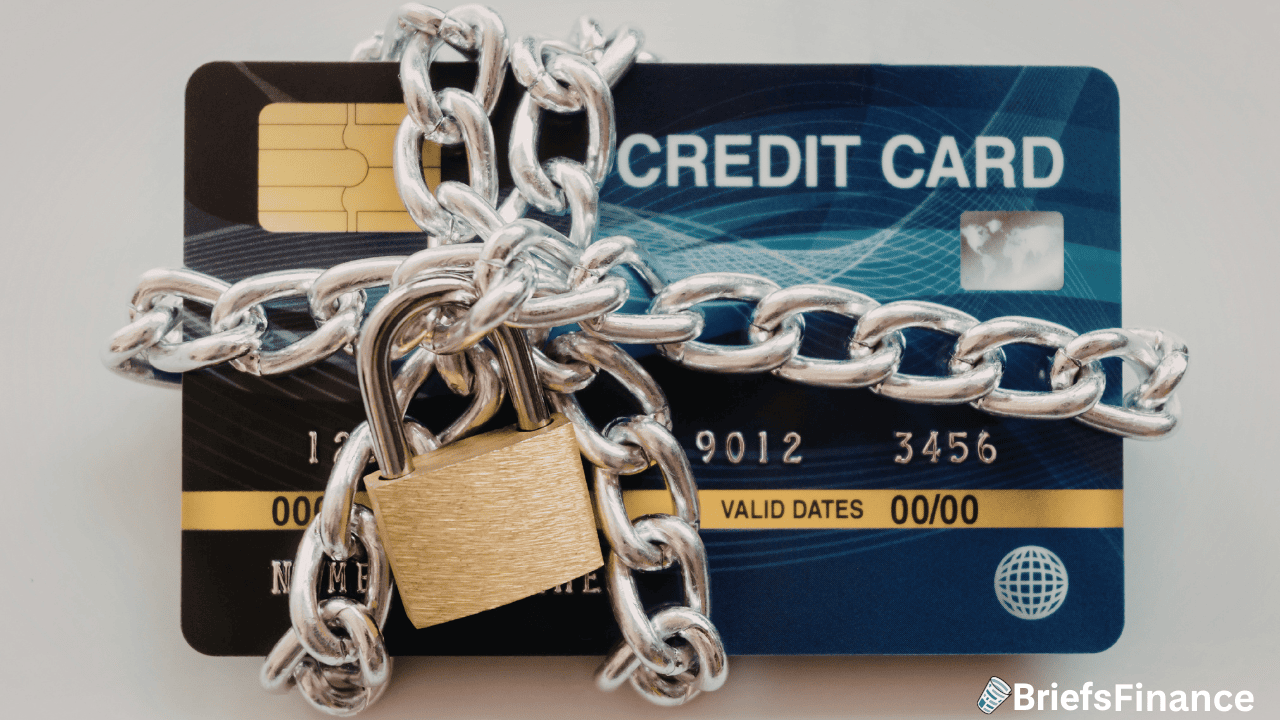
But instead of building wealth, you're building someone else's wealth. Your credit cards are shackles holding you back from financial freedom.

So, if you’re looking to pay off your credit card debt fast, you need to bookmark this article.

We’re going to be breaking down the strategies, what you should consider, and leave you with an actual action play to get started.

When you’re done paying off your credit card debt - you’ll want to learn how to grow your money.

We’re finding unique investing opportunities that could outpace the S&P 500 on Market Briefs Pro.

Quick note: Do not subscribe to Pro if you still have credit card debt. You’ll want to read this article first and pay it down before you start investing aggressively.

Why Credit Card Debt Is Killing Your Wealth

Credit cards are tools. Like any tool, they can work for you or against you.

Used correctly, credit cards give you perks like: 

  • Cashback. 
  • Flight upgrades. 
  • Hotel rewards. 
  • Rental car benefits. 

But here's the catch: Those rewards only benefit you if you're not carrying a balance.

If you're paying interest to earn rewards, you're not winning. You're paying for everyone else's rewards program.

The reality: Credit card debt prevents you from building any real wealth. 

You're stuck in the payments game. Your income goes toward paying back yesterday's expenses instead of building tomorrow's freedom.

Here’s how you can break the cycle step by step and start growing your wealth.

Step One: Stop Using Your Credit Cards Right Now

If you have credit card debt, stop using the cards immediately.

Why? Because you're playing with fire. Every swipe adds fuel to a fire that's already burning your financial future.

Credit cards aren't the problem when you pay them off monthly.

 But when you carry a balance, they become wealth destroyers.

Put the cards away. Not in your wallet. Not "just for emergencies." Away.

Step Two: Save Your First $2,000 Fast

Before you attack your debt, you need a small cushion. 

Not a full emergency fund yet - just $2,000.

Why save before paying off debt? Because life happens. 

Your car breaks down. 

Your AC dies. 

Your kid breaks their arm. 

Without savings, you'll go deeper into debt when these things happen.

If you don't have $2,000 saved right now, you're in a financial danger zone. Get aggressive about finding this money fast.

How to Find $2,000 Quickly

Cut back hard on spending. If you don't have $2,000 saved, you shouldn't be eating at restaurants or going on vacations. That sounds harsh, but it's reality. Right now, you're in survival mode.

Sell your stuff. Look around your home. You have things collecting dust that could become cash. Take everything out of your closet and only put back what you've worn in the last six months. Everything else? Sell it.

Negotiate your bills. Call your service providers. Be nice but firm. Ask for lower rates on internet, phone, insurance. Customer service reps deal with angry people all day. Be kind and you'll get better results.

Build a financial report. Spend 60 minutes writing down every dollar you earn and spend. Use a Google sheet, Excel, or paper. You can't fix what you don't measure.

Step Three: Choose Your Debt Payoff Method

Once you have your $2,000 cushion, it's time to attack the debt. There are two main strategies, and honestly, both work. Pick the one you'll actually stick with.

The Debt Avalanche Method

Line up your debts from highest interest rate to lowest. 

Pay the minimum on everything, then throw all extra money at the highest interest rate debt. Once that's gone, move to the next highest rate.

Pros: You'll pay less interest overall and get out of debt slightly faster.

Cons: If your highest rate debt has a large balance, it takes longer to see progress.

The Debt Snowball Method

Line up your debts from smallest balance to largest. Ignore interest rates. Pay minimums on everything, then attack the smallest debt first.

Pros: Quick wins give you psychological momentum. You see debts disappear fast.

Cons: You might pay slightly more in interest over time.

Which One Should You Choose?

The one you'll actually follow through on.

If you need quick wins to stay motivated, use the snowball method. If you're disciplined and want to save every possible dollar on interest, use the avalanche method.

The worst strategy is the one you give up on halfway through. Be honest with yourself about what will keep you going.

💳 Credit Card Debt Payoff Calculator

Compare the Snowball vs. Avalanche method and see how fast you can be debt-free

❄️ Debt Snowball

Payoff Time
-
Total Interest Paid
-
Total Paid
-

⛰️ Debt Avalanche

Payoff Time
-
Total Interest Paid
-
Total Paid
-

📅 Your Payoff Order (Avalanche)

💡 Pro Tip: The Avalanche method saves you the most money by attacking high-interest debt first. The Snowball method gives you quick psychological wins by eliminating small debts first. Pick the one you'll actually stick with—that's the one that wins.

Step Four: Find More Money to Attack the Debt

Now you have a method. Next, you need ammunition. 

Here's how to find more money to throw at your debt:

Slash your spending. Go back to your financial report. Find places to cut. Every dollar you don't spend is a dollar that kills your debt faster.

Earn more money. In the next phase of building wealth, you'll focus on increasing income. But for now, consider side gigs or overtime if available.

Stop financing things. No more 0% APR offers. No more "buy now, pay later" (or as we call it, "broke now, broke later"). If it's not putting money in your pocket, don't go into debt for it.

Understanding 0% APR and Buy Now, Pay Later Traps

These sound great in theory. Free money, right? 

Wrong.

There's always a cost to borrowing. When businesses offer 0% APR or buy now, pay later, they're betting on two things:

  1. You'll buy more stuff because you don't feel the pain of paying.
  2. You'll miss a payment and get slapped with 25% interest retroactively.

These programs are profitable because they prey on human psychology. Don't fall for it.

What "Afford" Actually Means

Most Americans think "afford" means "I can make the monthly payments."

That's not what afford means.

Afford means you can buy it comfortably with cash without worrying about the price.

Here's a helpful rule: The Rule of Five

If you can't buy five of them, you can't afford one.

Want a $100 shirt? Can you afford five $100 shirts - $500 total - without stress? No? Then you can't afford the shirt.

This rule applies to non-necessities. Things you want, not things you need to survive.

Credit Cards Are Tools, Not Traps

Here's the truth: credit cards aren't evil. They're tools. Used correctly, they're powerful.

The right way to use credit cards:

  • Pay them off every single month.
  • Never carry a balance.
  • Treat them like cash, not free money.
  • Use them only as a medium of exchange, not credit.

The wrong way to use credit cards:

  • Carrying any balance at all.
  • Paying interest for rewards.
  • Buying things you can't afford with cash.
  • Treating available credit as available money.

Your Action Plan Starting Today

  1. Stop using your credit cards immediately. Cut them up if you have to. Remove them from online accounts. Make it impossible to use them impulsively.
  2. Build your financial report today. Spend 60 minutes documenting every dollar. Know where your money goes.
  3. Find your first $2,000. Cut spending, sell stuff, negotiate bills. Make this your obsession until you have it.
  4. Choose your method. Snowball or avalanche. Pick one and commit.
  5. Attack the debt relentlessly. Every extra dollar goes toward killing the debt. No exceptions.
  6. Talk to your spouse or partner. Money fights kill relationships. Get on the same page about spending and debt payoff.

The Real Cost of Waiting

Every month you wait costs you money. At 20% interest on $6,200 of debt, you're paying about $103 per month in interest alone. 

That's $1,236 per year going straight to your credit card company.

Over ten years? That's $12,360 in interest - almost twice your original debt.

But here's what hurts more: That's money you could be investing. Money that could be growing and building your wealth. Instead, it's building someone else's wealth.

Why This Matters Beyond Money

Credit card debt isn't just a math problem. It's a freedom problem.

When you're in debt, you're playing the payments game. Your job is to earn money to pay back yesterday's expenses. You're running on a treadmill, working hard but going nowhere.

Financial freedom means your money works for you. But that can't happen when all your money is chained to debt payments.

The Bottom Line

Paying off credit card debt fast requires one thing: getting aggressive.

Stop using the cards. 

Save $2,000 for emergencies. 

Choose a payoff method and attack the debt with every extra dollar you can find.

Cut spending. Sell stuff. Negotiate bills. Stop financing things you don't need.

The credit card companies are earning 20% on your money. 

It's time to take that power back and start earning 20% for yourself instead of paying it to them.

Your future self will thank you for starting today.

After your debt is gone, you might be ready to build wealth.

Don’t know where to start? Our analysts put together an easy to read and short investing report every week.

This report breaks down new potential investing opportunities that the market might be overlooking right now.

Subscribe to Market Briefs Pro to read our full reports right now.


More Deep Briefs

What Is a Stop Loss Order? A Simple Guide

Best S&P 500 Index Fund: How to Choose One

What Are Penny Stocks? Risks and Rewards Explained

Best Stocks for Beginners With Little Money

Tech Stocks: A Simple Guide for New Investors

What Is a Joint Stock Company? A Simple Guide

Capital Gains Tax in California: A Simple Guide

Top Covered Call ETFs: How to Compare Them

What Are Stock Options? A Plain-English Guide

EBITDA Margin: What It Is and How to Calculate It

What Is Taxable Income? A Simple Guide for Investors

What Is a Covered Call? How the Strategy Works

What Is Gross Margin? A Simple Guide for Investors

What Is a Dividend? A Plain-English Guide for Investors

Financial Literacy Books That Actually Build Wealth

What Is a Roth Conversion? A Simple Guide

Trailing Stop Loss: How to Protect Your Gains

5 Types of Wealth: Why Money Is Only One of Them

How to Invest in Private Equity: A Beginner's Guide

What Is a Call Option? A Simple Guide With Examples

EBITDA Formula: How to Calculate It Step by Step

What Is a Stock Option? A Plain-English Guide

Put Option: What It Is and How It Works

Operating Margin: What It Is and How to Calculate It

Enterprise Value: What It Is and How to Calculate It

Free Cash Flow: What It Is and Why It Matters

What Is Working Capital? A Simple Guide for Investors

Covered Call: How This Income Strategy Actually Works

Gross Margin: What It Is and How to Calculate It

Backdoor Roth IRA: A Simple Guide for High Earners

Mega Backdoor Roth: A Simple Guide for Big Savers

Dividend Calculator: How to Estimate Your Dividend Income

How to Create Multiple Income Streams: A Beginner's Playbook

The 60/40 Portfolio Explained: A Beginner's Guide

How to Invest in Silver: A Beginner's Guide

Asset Allocation by Age: The Right Portfolio Mix at Every Stage of Life

Stablecoin Explained: Why Some Cryptocurrencies Actually Aren't Volatile

Buy Now, Pay Later Risks: Why This "Easy" Payment Method Is Dangerous to Your Wealth

Dividend Payout Ratio: The Secret Metric That Shows If a Stock Is Safe or Risky

Ethereum for Beginners: What It Is and Why Smart Investors Are Paying Attention

Dollar Cost Averaging Strategy: How to Beat Emotion and Build Wealth Steadily

The BRRRR Strategy: How to Build Real Estate Wealth Without Big Money Down

What Is GDP? A Beginner's Guide to Understanding Economic Growth

What Is Blockchain? A Plain English Guide For Investors

How To Negotiate Bills: The Script That Saves You Hundreds A Year

75 15 10 Rule: The Budget That Builds Wealth On Autopilot

How To Rebalance Portfolio: The Strategy That Forces You To Buy Low And Sell High

How To Buy Treasury Bonds: A Beginner's Guide

Forward Vs Futures Contracts: What's The Real Difference?

Alternative Investments Explained: What They Are And Why They Matter

How To Buy Bitcoin For Beginners: 3 Simple Ways

How To Follow Smart Money: The 5 Market Shifts Framework

Insider Trading Meaning: What It Really Is (And Why Some Of It Is Legal)

Core-Satellite Portfolio: The Best of Both Worlds

Bond Ladder Strategy: The Income Plan With Built-In Flexibility

Silver vs Gold Investing: Which One Belongs in Your Portfolio?

What Is a Dividend Reinvestment Plan? The Wealth Snowball Explained

How Tariffs Affect the Stock Market

What Is a 13F Filing? The Smart Money Tracker

Debt-to-Equity Ratio: The Number That Tells You If a Company Is Drowning

Non-Financial Analysis of Stocks: The 4-Step Method

SEC EDGAR Tutorial: The Free Tool the Pros Use

How to Read a 10-Q (Without Losing Your Mind)

What Is a Put Option? A Simple Guide for Investors

What Is Free Cash Flow? How To Find It & Why It's Important

Non Taxable Income: What It Is and Why Investors Care

Nasdaq Index Fund: A Beginner's Guide to Investing in the Nasdaq 100

What Is Wealth? It's Not What Most People Think

Micron Stock: The AI Memory Play Most Investors Are Missing

What Is Working Capital? What Investors Need To Know

What Is a Meme Stock? A Simple Guide for New Investors

Enterprise Value Formula: What It Is and How to Calculate It

Return on Equity: What It Is and How to Use It

Personal Finance Books That Actually Teach You to Build Wealth

How to Reduce Taxable Income: 6 Strategies Investors Actually Use

What Is a High-Yield Savings Account - and Is It Worth It?

Best Stocks to Buy Now: A Smarter Way to Think About It

How to Avoid Capital Gains Tax: 7 Legal Strategies Every Investor Should Know

How to Read a Balance Sheet (And Why Every Investor Should Know How)

What Is a Stock Broker? A Simple Guide for New Investors

Most Volatile Stocks: What They Are and Why They Move

ETF vs Mutual Fund - What's the Difference and Which One Should You Pick?

Nuclear Energy Stocks: Why Smart Money Is Betting on AI's Power Problem

What Is a Stock Symbol? Real Examples & How To Find One

SNDK Stock: The AI Play Most Investors Forgot About

What Is a 401k? Here's What You Actually Need to Know

Call vs. Put Options: What's the Difference and How Do They Work?

What Is Financial Literacy? The Real Skills That Build Wealth

How to Invest in Gold - 3 Simple Ways to Get Started

What Is a Dividend? What Beginner Investors Need To Know

What Time Does the Stock Market Open?

How to Buy Stocks: The 5-Step Plan To Stock Market Investing

What Is EBITDA? A Simple Guide for Investors

RDW Stock: Is Redwire Worth Watching in 2026?

How to Invest in the Nasdaq (Without Picking a Single Stock)

What Is a Cash Flow Statement? (And Why Investors Should Actually Care About It)

How to Retire a Millionaire: The 6 Step Plan For Investors

11 Ways to (Legally) Pay Less Taxes

MO Stock: The Dividend Stock The Market May Be Missing

How Much Should You Invest in Stocks? Here's Your Actual Answer

1 2 3

Get Market Briefs delivered to your inbox every morning for free!

No fluff. No noise. No politics. Just finance news you can read in 5 minutes.

Join Free

Blogs

June 29, 2026
Portfolio Diversification: Why Putting All Your Eggs in One Basket Destroys Wealth
  • Real diversification means spreading investments across all 11 economic sectors plus bonds, alternatives, and cash so no single bet can sink the portfolio.
  • Different sectors perform at different times, so a diversified portfolio captures upswings while smoothing the brutal drawdowns that wipe out concentrated bets.
  • Total market index funds offer the simplest path to diversification, and annual rebalancing is what keeps the structure working over time.
Read More
June 29, 2026
Non Taxable Income: What It Is and Why It Matters
  • Non taxable income is money you receive that you don't owe income tax on.
  • The tax code treats workers, investors, and business owners very differently, and investors often come out ahead.
  • Learning how income is taxed is a quiet superpower for keeping more of what you earn.
Read More
June 29, 2026
Semiconductor Stocks: A Simple Guide for Investors
  • Semiconductor stocks are companies that design and make computer chips, the brains inside nearly every modern device.
  • The AI boom has turned chips into one of the market's most important and most watched groups.
  • They offer big growth potential, but come with high valuations and a notoriously cyclical history.
Read More
June 25, 2026
How Stocks Work: A Simple Guide for Beginners
  • A stock is a slice of ownership in a company - buy one, and you own a piece of the business.
  • You make money two ways: the share price rising over time, and dividends paid to shareholders.
  • The simplest path for most beginners is buying into the whole market through a low-cost index fund.
Read More
June 25, 2026
Stop Loss vs Stop Limit: What's the Difference?
  • A stop loss order sells your stock once it hits a trigger price, prioritizing getting you out.
  • A stop limit order only sells within a price range you set, prioritizing price over a guaranteed exit.
  • The trade-off: a stop loss almost always executes; a stop limit might not if the price moves too fast.
Read More
June 25, 2026
Energy Stocks: A Simple Guide for Investors
  • Energy stocks are companies that produce and supply the power the world runs on, from oil and gas to newer sources.
  • They make up one of the 11 sectors of the market and tend to move with energy prices and big-picture shifts.
  • Like any sector, the key is diversification and understanding the forces driving demand.
Read More
June 18, 2026
What Is a Stop Loss Order? A Simple Guide
  • A stop loss order automatically sells a stock once it falls to a price you set.
  • It's a tool to cap losses or lock in gains without watching the market all day.
  • It works best for active strategies, and can backfire if used carelessly on long-term holdings.
Read More
June 18, 2026
Best S&P 500 Index Fund: How to Choose One
  • The best S&P 500 index fund for most investors is simply the cheapest, most established one that tracks the index well.
  • Funds like VOO, IVV, and SPY all hold the same 500 companies, so the biggest difference is the fee.
  • Pick one, automate your buys, and let time do the heavy lifting.
Read More
June 17, 2026
What Are Penny Stocks? Risks and Rewards Explained
  • Penny stocks are very low-priced shares of very small companies, often trading for just a few dollars or less.
  • They promise huge gains but carry huge risks: low liquidity, high failure rates, and wild price swings.
  • Most investors are better served by quality companies and funds than by chasing cheap shares.
Read More
June 17, 2026
Best Stocks for Beginners With Little Money
  • The best stocks for beginners with little money usually aren't individual stocks at all - they're low-cost index funds.
  • You can start with $100 or less and use small, regular investments to build wealth over time.
  • Focus on diversification and consistency, not on picking the next big winner.
Read More
1 2 3 24
Share via
Copy link