Search "best stocks for beginners with little money" and you'll get endless lists of tickers. Here's the uncomfortable truth: chasing individual hot stocks with a small balance is how most beginners lose. There's a smarter, proven way to turn a little money into a lot.
Let's break down the best approach for beginners with little money, and why it beats stock-picking.
We help new investors start strong every morning in Market Briefs, our free daily newsletter.
The Best Stocks for Beginners With Little Money Aren't Single Stocks
Here's the reframe that changes everything.
Most people think building wealth means finding the next Apple or Amazon. But for the vast majority of investors, that's not how it works. In fact, most beginners shouldn't be picking individual companies at all.
Why? Because picking winning stocks takes serious research and constant attention. With little money and little time, the odds are stacked against you, and one bad pick can wipe out a big chunk of a small balance.
The smarter answer for beginners with little money is to buy the whole market instead of betting on one company.
Why Index Funds Beat Single Stocks for Beginners
The tool that makes this possible is the index fund.
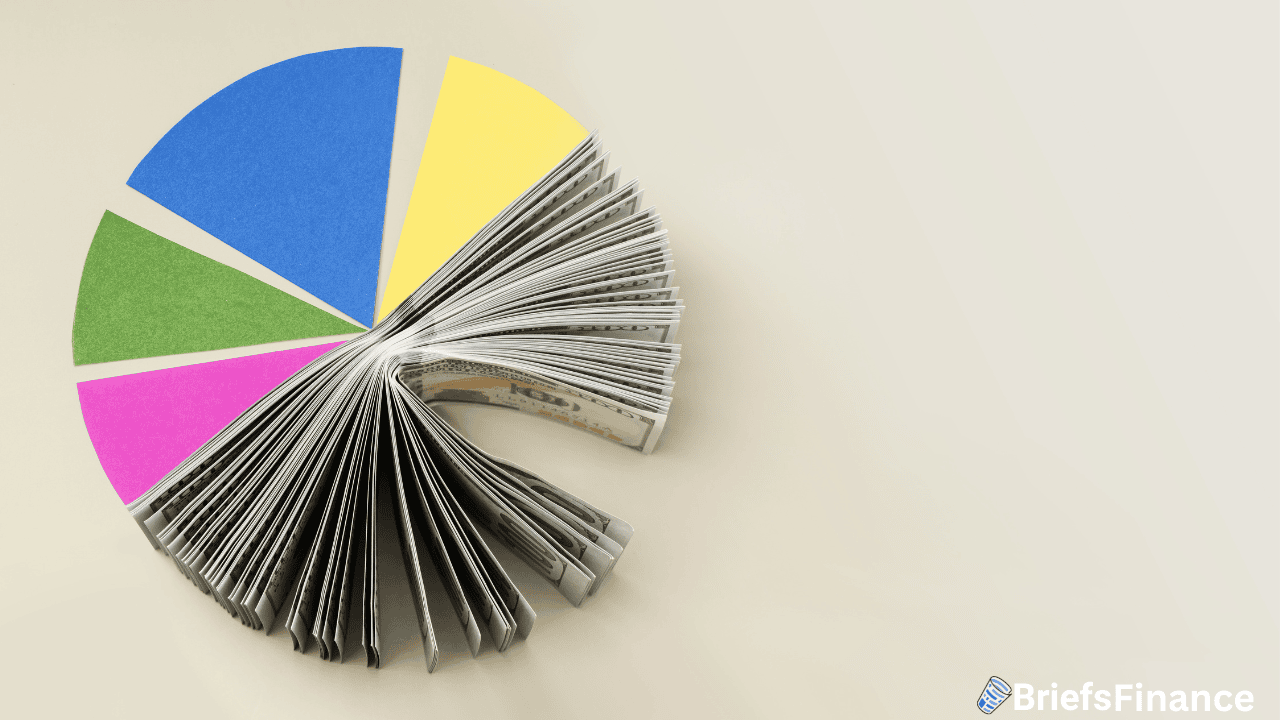
An index fund holds a basket of companies all at once. The most popular tracks the S&P 500 - the 500 largest U.S. companies across all 11 sectors. Buy one share and you own a slice of all of them.
The benefits for a beginner with little money are huge:
- Instant diversification. Some companies will stumble, others soar, and the winners balance the losers. No single stock can sink you.
- Less risk on you. You don't have to find the perfect company - you own the whole economy.
- Tiny fees. A good fund's expense ratio is well under 0.10%, so almost all your money stays invested.
The Vanguard founder John Bogle said it best: don't look for the needle in the haystack, just buy the haystack.
How Little Money Becomes Real Wealth
The number that should excite every beginner: $100 a month.
Historically, investing just $100 a month into the S&P 500 from your working years until retirement could grow into a millionaire's nest egg, without ever picking a single stock.
That's the power of two forces:
- Compounding - your gains earn their own gains, snowballing over decades.
- Consistency - small, steady investments add up far more than you'd guess.
You don't need a big balance to start. You need a small one and a long runway. Our guide to how to start investing with $100 or less shows the first step.
The Strategy: Dollar Cost Averaging
The "how" matters as much as the "what." The best method for beginners with little money is dollar cost averaging.
Instead of trying to time the market, you invest a fixed amount on a regular schedule - say $25 every week, or $100 a month - no matter what the market is doing.
| Market that week | Your fixed $100 buys | Result |
|---|---|---|
| High | Fewer shares | You don't overload at the top |
| Low | More shares | You scoop up bargains |
| In between | An average amount | Smooths out the ride |
When the market drops, your fixed amount buys more shares. That turns a scary bear market into an opportunity. Best of all, most brokerages let you automate it, so the plan runs itself.
If You Still Want to Own Some Individual Stocks
Once you have a diversified core and a bit more confidence, you can add a few individual companies.
If you do, focus on quality, not cheap thrills:
- Look for real businesses with steady earnings and a durable moat.
- Avoid the lottery-ticket trap of penny stocks and hype-driven meme stocks.
- Learn the basics of when to buy a stock before you commit real money.
Keep individual picks to a small slice of your portfolio. The diversified core does the heavy lifting; the picks are seasoning, not the meal. There's a smarter way to think about the best stocks to buy that starts with the business, not the ticker.
Build the Habit That Builds Wealth
Beyond the investments, the real win for a beginner is the habit.
A few foundations make everything else work:
- Save first. A small cash cushion keeps you from selling investments in an emergency. Our guide to saving your first $2,000 helps.
- Kill high-interest debt. Paying off credit card debt is often the best "investment" you can make.
- Think like an owner. You're building wealth by owning assets, the way winners do in a capitalist economy.
The bottom line: the best stocks for beginners with little money are usually a single low-cost S&P 500 index fund, bought a little at a time, for a long time. Skip the hot-tip lists. Diversify, automate, stay consistent, and let compounding turn your small start into something serious. It's how ordinary people reach their first million dollars.
Want a simple plan you can actually stick to? Join Market Briefs, our free daily newsletter and start building wealth today.