Why the bill is rising
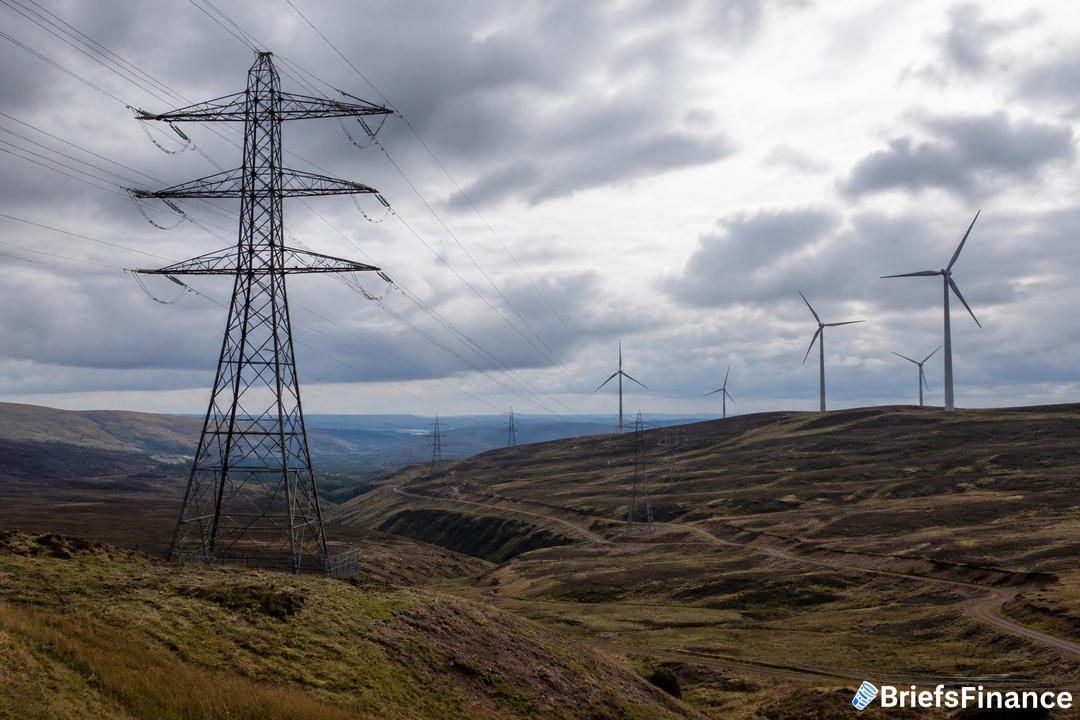
Britain is adding wind power fast, but the wires are not keeping pace. Top wind sites sit in remote parts of Scotland, while most demand lies farther south. That mismatch means NESO is increasingly paying plants to curtail or ramp to keep supply and demand in balance, and those charges flow through to consumers.
Those payments have inflated in recent years, reaching £2.7 billion through October on NESO's figures. The upshot is a more complex system to operate, and a bigger price tag to manage it.
What the models say
NESO expects the cost of managing the grid to top £3.9 billion next year. A report released Thursday indicates about £3.9 billion in 2027, and its scenarios suggest the bill could reach £7.7 billion per year by 2030 at the upper end.
After that, NESO anticipates a sharp drop as major reinforcements allow more electricity to move from the north to the south. Those benefits depend on projects arriving on schedule, and even then the relief may be temporary. By 2035, constraint costs could surge again if generation is built out faster than the network can handle.
Energy transitions reshape markets, and thoughtful investors look for tools to adapt. We're hosting our first ever investor livestream on 11/17 to show you how to use ChatGPT and Claude to invest like a pro, hosted by Briefs Finance CEO Jaspreet Singh. Save your seat.
The policy track and the investor read
Avoiding that build-fast, connect-slow cycle is now a focus for Chancellor John Healey, who has pledged to scale back government support for renewable projects that cannot deliver their electricity to end users. The government's toolkit includes a strategic plan for where energy assets go and proposals to overhaul national power pricing to better match investment with system needs.
"Constraint costs are extremely high, and they have increased since last year, and the projections have increased since last year as well," said Rebecca Beresford, NESO's director of market, in an interview. "They reflect the fact that the electricity system is getting more complicated for us to operate in Great Britain, and it will continue to do so."
For your portfolio, this points to elevated system costs until grid upgrades land, and policy changes around support and pricing will be key to how those costs evolve.
When infrastructure evolves, patient investors gain an edge by learning new strategies. On 11/17, our CEO Jaspreet Singh goes live for our first ever investor livestream on how to use ChatGPT and Claude to invest like a pro. Register to join him.