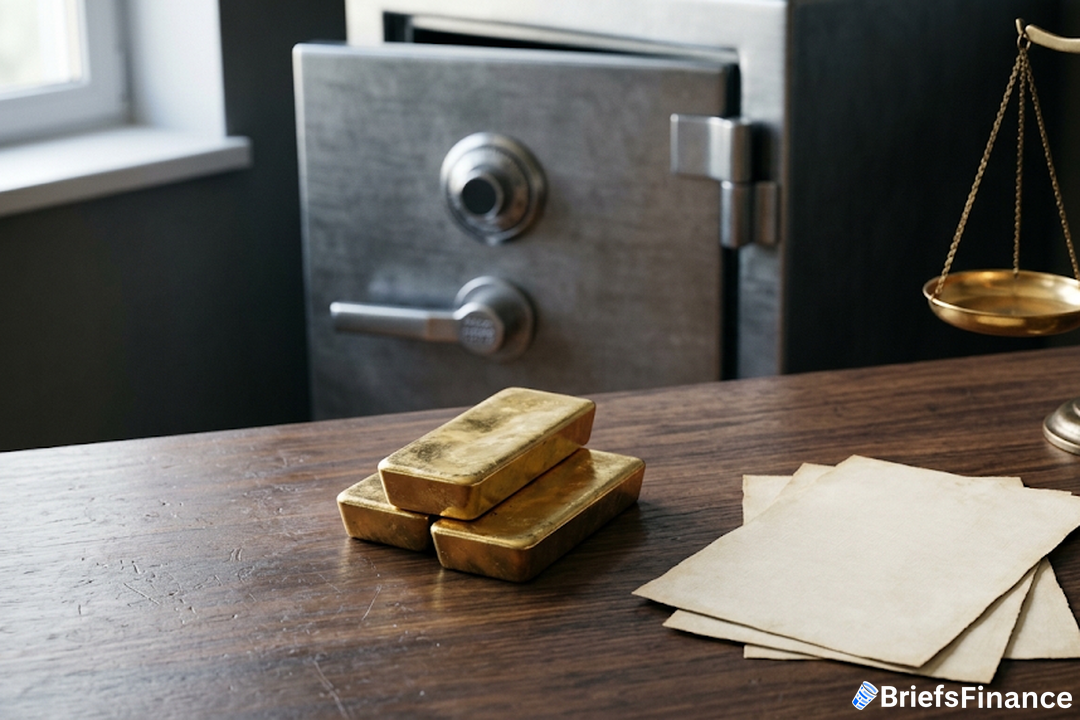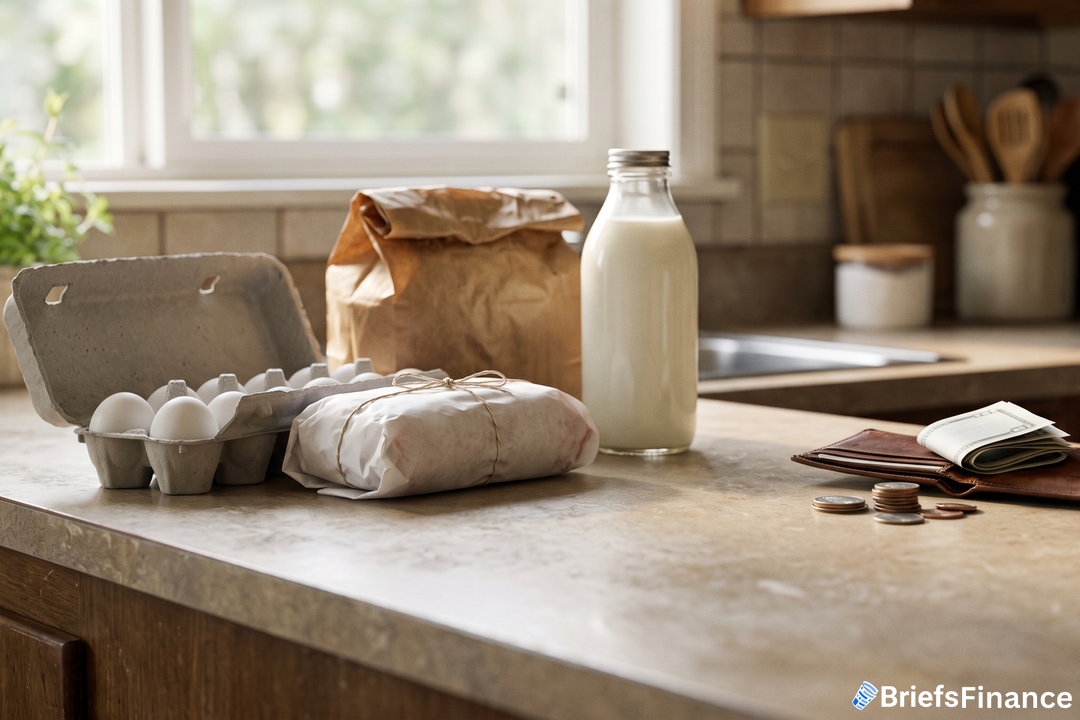
Picture two people, each with a $4,000 credit card balance. The first puts every spare dollar toward the card, and the second saves $2,000 first, then goes after the card.
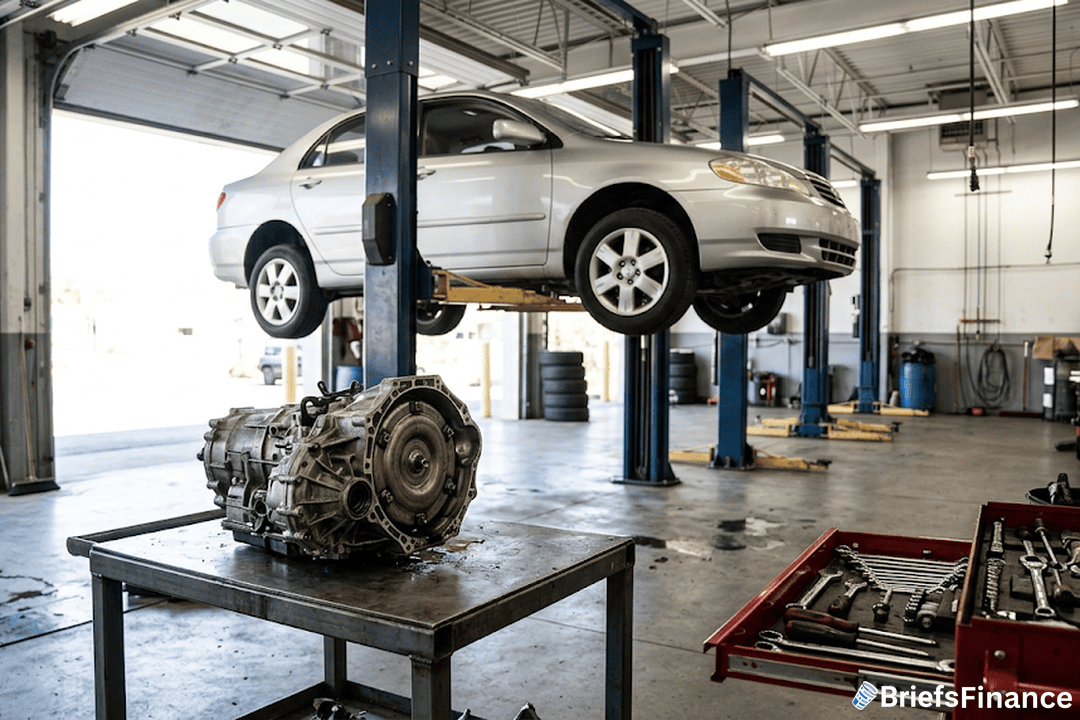
Six months in, both get hit with a $1,800 transmission repair. The first person has no cash, so the repair goes right back on the card, while the second pays it from savings and keeps paying the balance down.
With credit card debt, you don't have to choose between saving and paying it off. You do both, in a set order: a small cushion first, then the cards, with a little saving the whole time.
This guide explains why that order works and ends with a simple table to pick your next move. For plain answers on the investing side too, join our free investor livestream on November 17, where CEO Jaspreet Singh shows how to use ChatGPT and Claude to research stocks like a pro.
Why you save a small cushion before paying off debt
The Climb to Wealth class lists a few more surprises a cushion covers:
- Your car breaks down on the way to work.
- Your AC stops working in the middle of July.
- Your kid breaks an arm, and the medical bill shows up three weeks later.
When bills already outrun your income, there's no room in your budget for any of those. They go on a card, and the balance you were paying down goes back up.
The class puts it simply: if you pay down debt with no savings, life eventually happens and you go deeper into debt to cover it. So the first goal is $2,000, and the guide on how to save your first $2,000 shows how to get there fast.
On $3,000 a month of take-home pay, saving 10% is $300 a month, which reaches $2,000 in about 7 months. That pay is an example, and saving more than 10% for a while gets you there sooner.
Briefs also explains why the emergency fund comes first in more detail.
Why the credit cards come next
Once you have a cushion, the cards come next, because card interest gets added to your balance every month you carry it. On a $4,000 balance at an example rate of 24%, that's about $80 in one month.
Putting your extra money on the cards means less interest gets added each month.
Card balances are usually bad debt rather than good debt, because they cost a lot and don't buy anything that grows in value. Buy now, pay later plans can add even more payments to your month.
Keep saving a little while you pay off debt
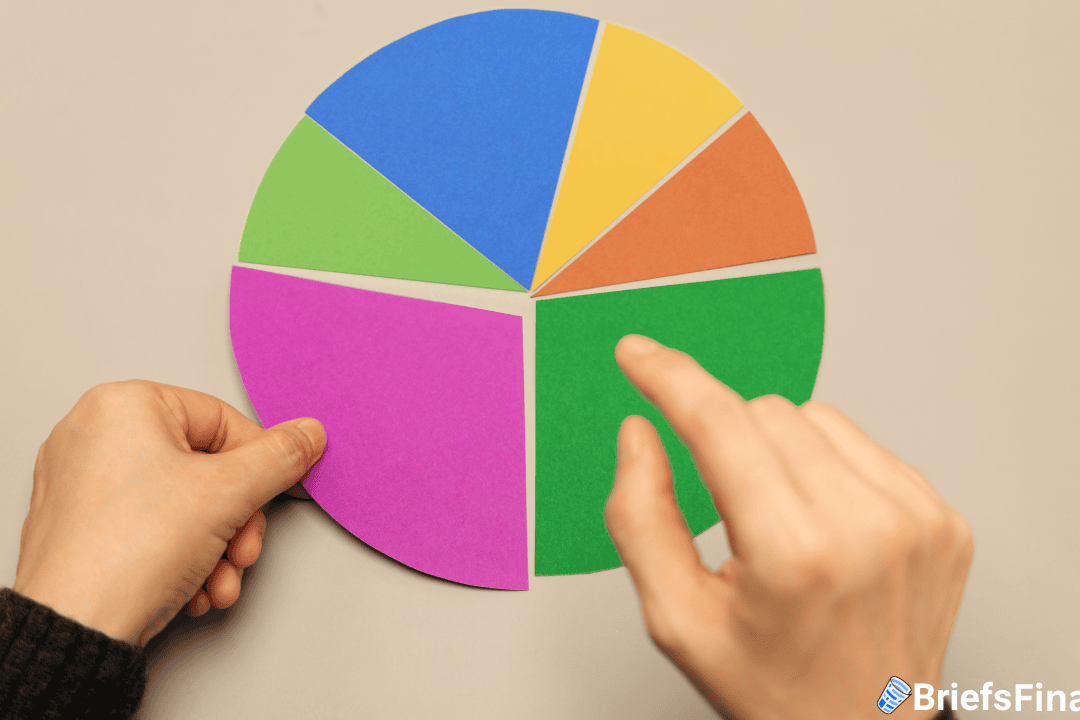
Paying down cards doesn't mean you stop saving. The 75/15/10 split Briefs teaches puts at most 75% of your pay toward lifestyle, at least 15% toward investing and at least 10% toward savings.
Your 10% for savings keeps going while you pay off cards. The extra card payments come from cutting your 75%, using a tighter budget and canceling subscriptions you forgot about.
| Where the money goes | What it does | The trade-off |
|---|---|---|
| Savings | Covers surprises in cash | Grows slowly, while card interest keeps adding up |
| Extra card payments | Lowers the balance and the interest | Less cash on hand if something breaks |
| Both at once | Keeps a cushion and lowers the debt | Each goal moves a little slower |
Lowering a bill or two helps with both, and Briefs has a script to help you negotiate your bills.
A simple way to decide: save or pay off debt first
Find the line that matches where you are right now:
| Where you are now | What many people do next |
|---|---|
| No savings yet | Pay the minimum on every card and build the $2,000 cushion first. |
| Cushion saved, card debt left | Put extra money toward one card at a time, using a plan to pay off credit card debt, step by step. |
| No card debt | Keep building the full emergency fund, and Briefs explains how big your emergency fund should be. |
The last step in the Climb to Wealth order is to automate it. When your savings transfer and card payments happen on their own every payday, you don't have to remember to do them.
Banks like Chase also frame this question as a balance between a savings cushion and the cost of the debt.
Questions people ask about saving vs paying off debt
How much money should you save before paying off debt?
The Briefs answer is your first $2,000, from the Climb to Wealth class. After the cards are paid off, you keep building toward a full emergency fund, and the guide on how big your emergency fund should be walks through that number.
A high-yield savings account pays more interest than a standard one and keeps the money easy to get to.
What does Dave Ramsey say to pay off first?
Ramsey Solutions starts with a $1,000 starter emergency fund, then pays off all non-mortgage debt using the debt snowball. That's Ramsey's plan, and it's separate from the $2,000 first step in the Briefs Climb to Wealth class.
What happens after the debt is gone
Once your cards hit $0, the money you were paying each month is free. That's when many people increase the 15% for investing, and Briefs explains how much of your paycheck to invest when you're ready.
Investing involves risk including loss, and past performance does not indicate future results.
Save first, then pay off debt: your order of steps
- Save a $2,000 cushion first, while paying every minimum.
- Then put extra money on one card at a time, while your 10% savings keeps going.
- Automate it, and keep building your emergency fund once the cards are paid off.
Following this order means surprise bills get paid from savings, and your card balance keeps going down instead of bouncing back up. It's how Briefs teaches people to stop living paycheck to paycheck and start managing your money.
For the investing step that comes after, join our free investor livestream on November 17, where CEO Jaspreet Singh will research stocks live with ChatGPT and Claude.