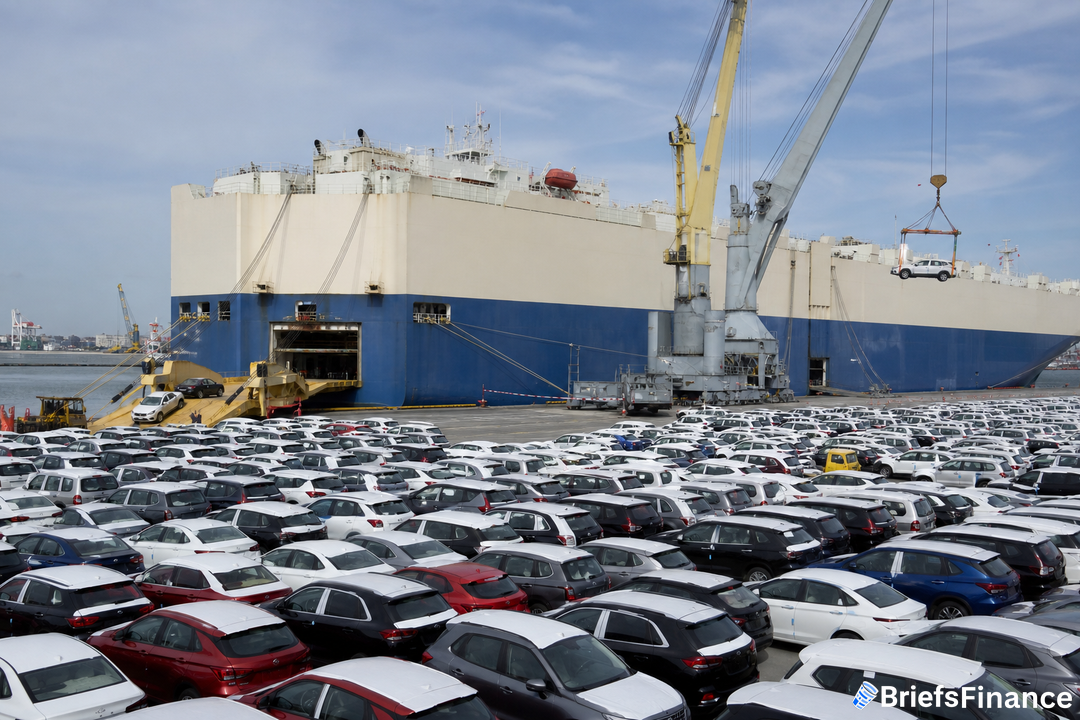
The forecast and what would have to change
Mobility Global, a market-research firm that split from S&P Global Inc. in July, modeled multiple paths for how China-based brands might enter the US. In one case, they reach as many as 1.7 million annual sales by 2038, equal to roughly 11% of the market. Speaking to reporters in Detroit, Peter Nagle, the firm's associate director for US vehicle forecasting, said there is a "low-to-moderate probability" that the US loosens barriers for vehicles built in North America over the next decade. Even in that scenario, the firm assumes imports sent directly from China remain essentially shut out because of steep tariffs.
Why the price point matters
Nagle said "Chinese products are significantly more affordable" and called the value proposition "relatively attractive - on paper - for a US consumer." He noted that new compact and mid-sized crossovers from China-based manufacturers sold abroad are priced roughly in line with what an average used car goes for in the US. If that kind of pricing shows up stateside, he estimates it could lift total US new-vehicle sales by about 600,000 a year. But gains for newcomers would displace incumbents too, trimming sales of brands already competing in the market by about one million vehicles annually, with much of the lost share likely absorbed by other Asian makes such as Nissan Motor Co., Hyundai Motor Co. and Toyota Motor Corp.
How they might enter the US
Right now, vehicles built by Chinese companies are effectively kept out of the US market. Achieving that would require regulators to ease restrictions on vehicles that include Chinese-made infotainment systems, navigation/maps, or other networked services. On top of that, President Donald Trump has enacted punitive trade measures aimed at imports from Canada and Mexico, and there is little sign those will be rolled back soon, with some lawmakers pushing for even tougher limits to keep Chinese cars out permanently.
If the door opens at all, Nagle said companies such as BYD Co., Geely Automobile Holdings Ltd., and SAIC Motor Corp. would probably begin by exporting vehicles from Mexican factories as soon as 2029. From there, they could move some output to new US factories in the following decade once a popular model tops about 40,000 annual sales.
New players in any industry can reshape opportunities for careful long term investors. Join Briefs Finance CEO Jaspreet Singh on September 29th for a FREE live investor workshop, How to Profit From A Dollar That's Losing its Value, where he shows how we're spotting investment opportunities as the dollar falls. Save your spot.
What this could mean for your money
US auto sales have been mostly flat in recent years, so a 600,000-vehicle bump would be noticeable. If China-based brands carve out up to 11% by 2038, the bigger story for investors isn't a surging market, it is who loses share to whom. For everyday portfolios, that looks less like a rising tide and more like a re-slicing of the pie across the automakers you already know.
Keeping your portfolio balanced helps protect and grow savings through changing industries. Our CEO Jaspreet Singh is hosting a FREE live investor workshop, How to Profit From A Dollar That's Losing its Value, on September 29th. Sign up free to join him live.