You've probably heard the word GDP thrown around on the news, in podcasts, or when people talk about why the stock market moved a certain direction. But if you're like most people, you nod along and move on without actually understanding what it means or why it matters to your wallet.
Here's the thing: GDP is one of the most important numbers that tells you whether the economy - and potentially your investments - are moving in the right direction. And understanding it is way simpler than you think.
Speaking of the economy - staying on top of what's actually moving GDP, the markets, and your money doesn't have to be a chore. Market Briefs is a free daily newsletter that breaks down the biggest business and finance stories in a few minutes - markets, economy, real estate, crypto, and more. Join 300,000+ readers who start their day with it.
What Does GDP Actually Mean?
GDP stands for Gross Domestic Product. It's basically the total value of everything a country produces in a given year.
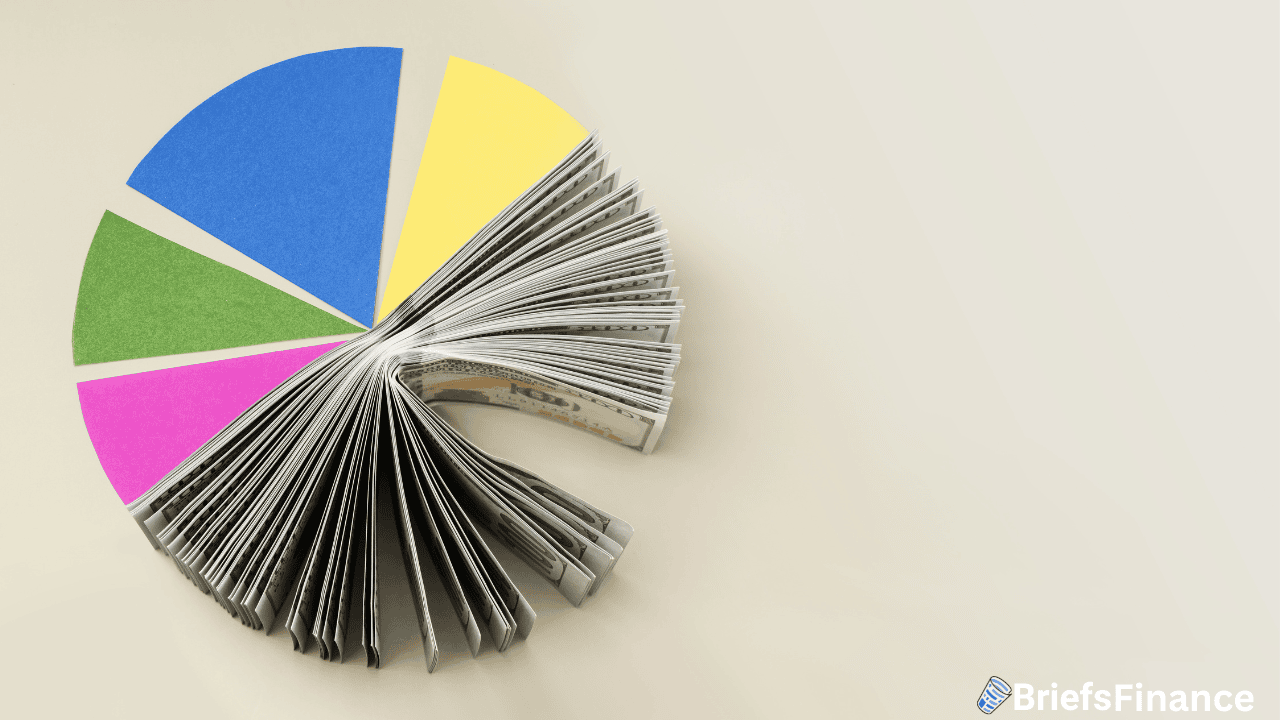
Think of it this way: If the United States makes cars, grows food, builds houses, provides haircuts, runs hospitals, and creates software, all of that production gets added up. That's GDP.
According to the Zero to Pro framework for understanding wealth building, knowing how money flows through the economy is fundamental. GDP is the scoreboard that shows you how much value the entire economy is generating.
Why Should You Care About GDP Growth as an Investor?
This is where it gets interesting for you as an investor.
When GDP is growing, businesses are making more money. When businesses make more money, they can:
- Pay higher salaries to employees
- Invest more in expansion
- Pay out larger dividends to shareholders (that's you if you own stock)
- Reinvest profits back into their companies, making them more valuable
When GDP is shrinking or growing slowly, the opposite happens. Businesses slow down. They might lay off employees. They cut dividend payments. Stock prices can fall.
As someone building wealth, you need to understand whether you're swimming with the tide (strong GDP growth) or against it (weak or negative growth).
The Three Components of GDP: What Gets Counted?
Here's what's actually included in GDP:
Consumer Spending: When people buy stuff. You buy groceries, a new laptop, a haircut - all of that counts. This is usually about 70% of total GDP.
Business Investment: When companies buy equipment, build factories, hire workers, or develop new products. Stronger business investment means the economy is expanding.
Government Spending: Federal spending on things like infrastructure, defense, education, and social programs.
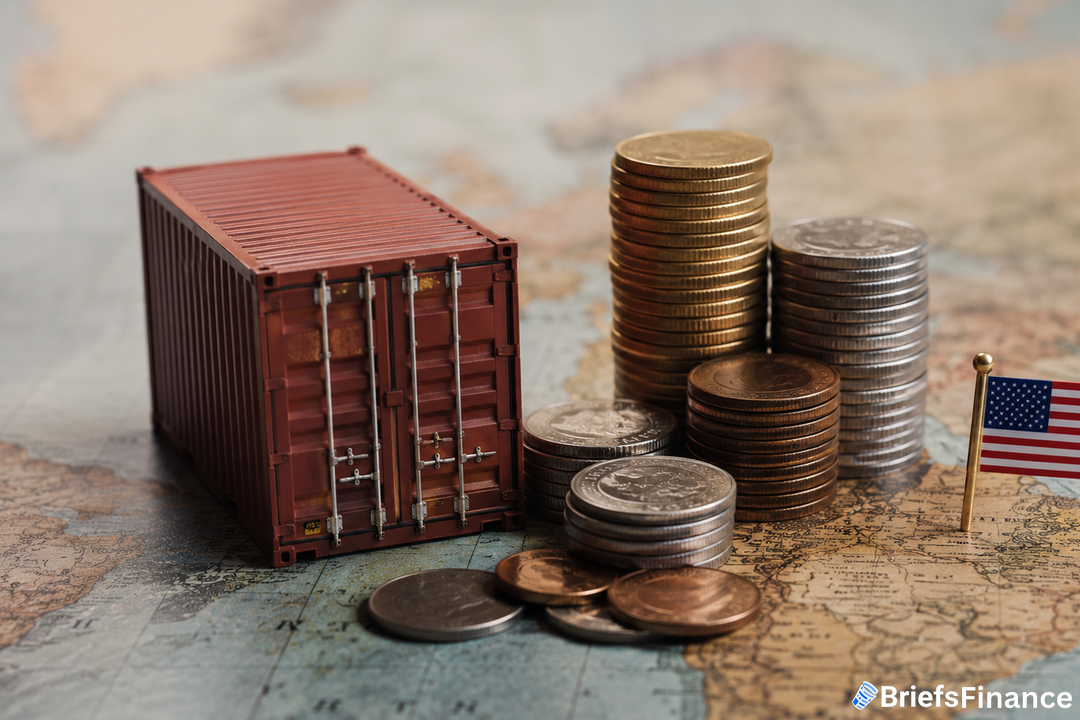
Net Exports: The difference between what the country exports (sells abroad) versus imports (buys from abroad).
All of this added together = total GDP.
Real GDP vs. Nominal GDP: Which Number Actually Matters?
This is important: there are two ways to measure GDP.
Nominal GDP just looks at the raw number. "We made $28 trillion worth of stuff."
Real GDP adjusts for inflation. It's what economists and investors actually care about.
Why? Imagine the economy "grows" 5% next year, but inflation is 6%. You're actually worse off - the real value of what we're producing shrank.
When you see GDP numbers in the news, check if they're talking about real or nominal. Real GDP is the one that actually tells you if the economy is truly growing or just getting more expensive.
How GDP Growth Affects Your Investment Portfolio
According to the Climb to Wealth framework, understanding how money flows through the economy is the key to becoming an owner rather than just a consumer.
When GDP growth is strong:
- Stock prices tend to rise (companies make more profit)
- Unemployment falls (good for wage growth)
- Inflation might start rising (which can actually help people with debt)
When GDP growth is weak or negative:
- Companies cut expenses and hiring
- Stock prices typically fall
- This can be a buying opportunity for patient investors
Understanding GDP Per Capita: The Real Number That Affects Your Wealth
GDP per capita is total GDP divided by the population.
Here's why that matters: If the total GDP grows 3%, but population grows 4%, then the average person is actually worse off. The economy is bigger, but there's less for each person.
When evaluating whether an economy is really thriving, always look at GDP per capita, not just total GDP.
Key Takeaway: GDP Shows You the Pace of the Game
Think of GDP like the speedometer of the economy.
- Growing fast? Businesses expand, people spend, stocks rise.
- Growing slowly? Caution. Companies might cut costs, lay off workers.
- Shrinking? Recession. Economic pain ahead, but also opportunities to buy quality assets at discount prices.
As an investor, you want to understand whether the economic tide is pushing your investments higher or pulling them down. GDP tells you that.
When you start building wealth through stocks or real estate, you're betting on the future growth of that business or property. GDP tells you whether the broader economy - the one supporting those businesses - is accelerating or decelerating.
Want to actually understand what's moving the economy day to day - without reading 12 different sites? Market Briefs delivers the day's biggest financial stories straight to your inbox every morning. Free, fast, and actually fun to read.
Disclaimer: This content is for educational purposes only and should not be construed as financial advice. Before making any investment decisions, please consult with a licensed financial advisor.