Free NewsletterPro Login

Warning: Undefined variable $stocks in /var/www/briefs.co/htdocs/wp-content/plugins/oxygen/component-framework/components/classes/code-block.class.php(133) : eval()'d code on line 448

Warning: foreach() argument must be of type array|object, null given in /var/www/briefs.co/htdocs/wp-content/plugins/oxygen/component-framework/components/classes/code-block.class.php(133) : eval()'d code on line 448

Warning: Undefined variable $funds in /var/www/briefs.co/htdocs/wp-content/plugins/oxygen/component-framework/components/classes/code-block.class.php(133) : eval()'d code on line 472

Warning: foreach() argument must be of type array|object, null given in /var/www/briefs.co/htdocs/wp-content/plugins/oxygen/component-framework/components/classes/code-block.class.php(133) : eval()'d code on line 472
/* the link was here */
Home » Deep Briefs »  » Silver vs Gold Investing: Which One Belongs in Your Portfolio?

Silver vs Gold Investing: Which One Belongs in Your Portfolio?

Author: Nate Gregory
Published: Apr 28, 2026 
Disclosure: Briefs Finance is not a broker-dealer or investment adviser. All content is general information and for educational purposes only, not individualized advice or recommendations to buy or sell any security. Investing involves significant risk, including possible loss of principal, and past performance does not guarantee future results. You are solely responsible for your investment decisions and should consult a licensed financial, legal, or tax professional before acting on any information provided.
Summary:
  • Gold is the stable store of value, used as crisis insurance during recessions and conflict.
  • Silver is both a precious metal and an industrial metal, with more volatile pricing.
  • Most investors hold a mix in their alternative investment allocation, often 5% to 12% of portfolio.

When markets crash, gold usually rises. That's why some investors call it crisis insurance. The dollar has lost over 95% of its purchasing power since 1913, but an ounce of gold still buys roughly the same amount of goods today as it did 100 years ago. (For a deeper dive on why this matters, see our complete guide to gold as an investment.)

But gold isn't the only precious metal worth knowing about. Silver gets called the poor man's gold, which is misleading. Silver behaves differently from gold, and that difference matters when you're building a portfolio.

Precious metals are one piece of a smart portfolio. Following the news that moves stocks, commodities, and rates is the other. That's what Market Briefs covers every morning - our free daily newsletter. Subscribe free here.

What Gold and Silver Are as Investments

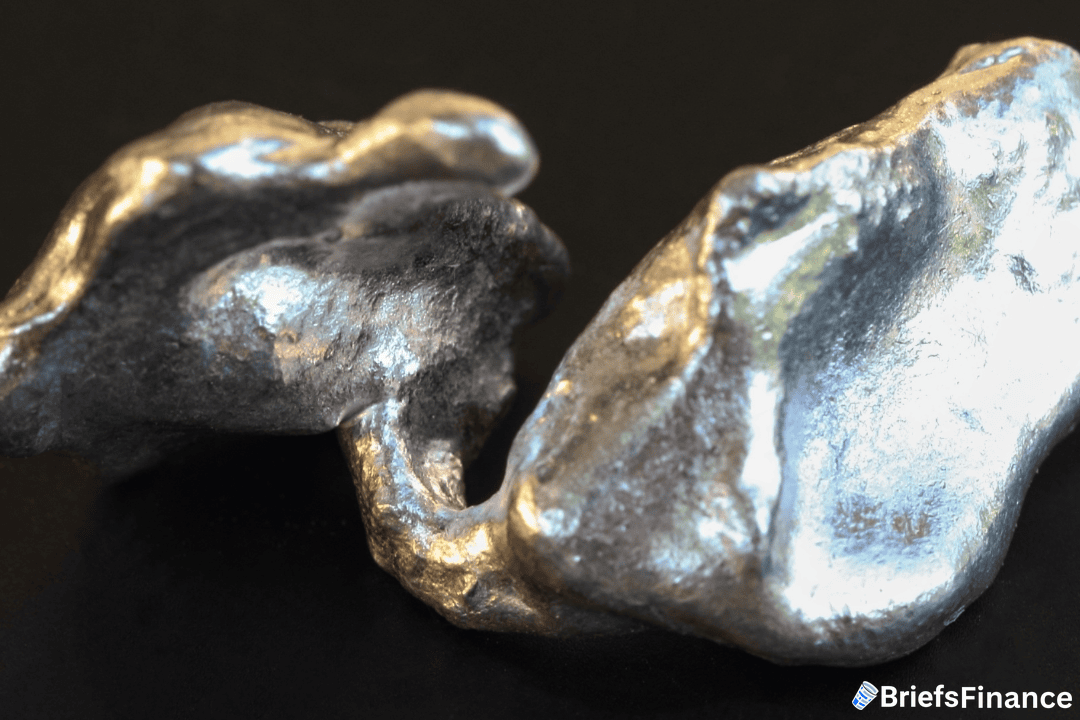
Both gold and silver are precious metals - rare, naturally occurring elements with high economic value. They're considered alternative investments because they aren't tied to a specific company, CEO, or earnings report.

Gold: The 5,000-Year Store of Value

Gold is the king of precious metals. About 190,000 tons have been mined throughout human history. It's been used as money for 5,000 years.

Gold doesn't corrode. It's malleable. It's universally recognized in every culture and economic system. You can sell gold anywhere in the world.

That universality is part of what makes it valuable. If our economy or markets were to collapse, gold would still hold value because it's tradeable across borders. Some investors call this "doomsday protection."

Silver: Precious Metal Plus Industrial Metal

Silver is different from gold because it has both monetary and industrial use. It's used in solar panels, electronics, medical applications, mirrors, and more.

That industrial demand gives silver unique supply-demand dynamics. When solar panel installations are booming, silver gets pulled up. When the economy slows and industrial demand falls, silver can drop more than gold because industrial demand drops.

Silver has been valued throughout history too, but its dual role makes it move differently.

Why Investors Hold Gold or Silver

Both metals play a few roles in a portfolio. Understanding why investors buy them helps you decide if either one fits yours.

Store of Value Over Time

The dollar has lost over 95% of its purchasing power since 1913. Inflation eats away at cash savings every year. Throughout history, commodities like gold are seen as a way to protect against this because they have intrinsic value.

The reason? It takes time, money, and resources to mine and refine these metals. Plus, there's a limited supply. Paper money can be printed in unlimited amounts. Gold can't.

Portfolio Diversification

Precious metals typically have low or negative correlation with stocks. That means when stocks fall, metals often rise or hold steady. This reduces overall portfolio swings. (For more on how diversification connects to portfolio strategy, our guide on active vs passive investing is a great starting point.)

This is why understanding the difference between a security and an alternative investment matters. Gold and silver aren't tied to a CEO, a company, or an earnings report. They move based on different forces - inflation, currency strength, geopolitical tension, and industrial demand. (Compare this with the difference between stocks and bonds to see where each asset fits.)

Crisis Insurance

During major economic slowdowns or recessions, alternatives can preserve wealth when traditional assets fail. Financial crises, geopolitical conflicts, currency collapses - these are exactly the times when gold tends to perform well.

In the first half of 2025, the U.S. dollar fell more than 10%, its worst performance in over 50 years. Gold prices reached record highs as institutions piled in. The price of gold rose 32% in just that year and 189% over the past decade. (Gold's surge was one of the 5 market shifts that defined 2026 investing.)

Inflation Protection

Throughout history, when inflation runs hot, precious metals tend to perform well. Real yields - interest rates minus inflation - matter for gold. When real yields are negative (meaning inflation exceeds interest rates), gold becomes more attractive.

When inflation hit 9.1% in 2022 - a four-decade high - investors looked to assets that hold value. Gold and other commodities were among the winners.

Gold vs Silver: Key Differences for Investors

Now compare the two directly.

Volatility

Gold is the more stable metal. It moves up during high inflation, geopolitical tension, and recessions. Its price comes mostly from demand for jewelry, central bank buying, and investor flows.

Silver swings harder in both directions. When the economy is booming and demand for solar panels and electronics is high, silver tends to rally. When the economy slows, silver often falls more than gold because industrial demand drops.

That higher volatility means bigger gains in good years and bigger losses in bad ones.

Price Per Ounce

Gold trades at a much higher price per ounce than silver. The exact ratio changes, but gold is typically worth 60 to 90 times more per ounce than silver.

That difference doesn't make one better than the other. It just means you can buy more silver for the same money - useful if you're starting small and want physical metal.

Industrial Exposure

Gold has limited industrial use. Most demand comes from jewelry, investment, and central banks.

Silver is roughly half industrial demand and half investment demand. So silver tracks the global economy more closely than gold does.

How to Invest in Gold or Silver

You have three main paths.

Physical Gold and Silver Coins or Bars

Buying coins or bars from a dealer gives you direct ownership. You hold the metal yourself.

The pros: zero counterparty risk (it's just you and the metal), tangible satisfaction, and privacy. You can't hack a bar of gold. There's no digital footprint.

The cons: storage and security. You need a place to store it - a bank vault, a safe deposit box, or your home. You also need to protect it from theft.

Gold and Silver Mining Stocks

When metal prices go up, mining profits often go up faster, because mining costs stay relatively flat. (We covered this dynamic in detail in why gold mining stocks may outperform gold and our breakdown of Barrick Gold (GOLD) stock.)

Take Kinross Gold Corporation (KGC) as a real example. In 2025, their cost-per-sale was relatively unchanged from the year before. Production costs increased about 5%, but the company made significantly more money per ounce sold. Their earnings were up 210% year-over-year in Q2 2025.

That's the leverage effect of mining stocks. When gold goes up, miners usually go up faster.

The trade-off: company-specific risk. Some miners run into financial difficulties. Mining is expensive, with lots of moving parts - the metal itself, energy costs, labor, equipment. Share values can be very volatile. (This is where running each miner through proper stock valuation and a financial health check really matters.)

Gold and Silver ETFs

Funds like GLD (gold) and SLV (silver) track the metal's price without the storage hassle. There are also mining-specific ETFs like RING (gold miners), GDXJ (junior gold miners), and SGDM (gold miners specifically). (We broke down GDXJ and two other gold ETFs investors are watching for a deeper look.)

ETFs are the easiest way for most beginners. You don't physically own the metal, but you don't have to worry about storage either. (Here's how ETFs differ from mutual funds and index funds if you want a refresher.)

How Much Gold and Silver Should You Hold?

The exact split depends on your goals and risk tolerance. We teach three model allocations in our Zero to Pro program.

Conservative Gold and Silver Allocation

5%-7% in gold, 0%-2% in silver. Total alternative allocation: 5%-8% of portfolio.

Best for older investors near retirement or anyone who's risk-averse. The goal is modest exposure for inflation protection and stability without taking on much volatility.

Example $100,000 portfolio: $5,000 in gold ETF, $1,000 in silver ETF.

Moderate Gold and Silver Allocation

7%-10% in precious metals total. Total alternative allocation: 10%-15% of portfolio (the rest split with crypto if appropriate).

Best for investors 10-20 years from retirement. This is a balanced approach - meaningful alternative exposure for diversification, but not so much that volatility wrecks your returns.

Example $100,000 portfolio: $6,000 in gold ETF, $2,000 in silver ETF, $1,000 in platinum ETF (optional).

Aggressive Gold and Silver Allocation

8%-12% in precious metals. Total alternative allocation: 15%-25% of portfolio.

Best for younger investors with longer time horizons who can withstand significant volatility. The goal is to maximize alternative exposure for long-term diversification and growth.

Example $100,000 portfolio: $7,000 in gold ETF, $2,500 in silver ETF, $1,500 in mining stocks.

These numbers aren't rules. They're starting points.

Silver vs Gold: Which One to Buy First

If you only pick one, gold is the safer choice for most beginners. It's more stable, more universally recognized, and a clearer hedge against inflation and crisis.

If you want a small allocation to capture industrial upside and you can stomach more volatility, add some silver too. A common split is 70% gold and 30% silver inside the precious metals allocation.

The key is treating gold and silver as a small part of a diversified portfolio, not the main act. Most of your money should still be in stocks and bonds. Precious metals are protection and diversification - not your main growth engine. (For income, dividend investing and bonds usually do more heavy lifting.)

Add Gold or Silver to Your Portfolio This Year

Pick which path you want first - physical, miners, or ETFs. Then decide how much to allocate based on your age and risk tolerance. (Need to brush up on the lingo first? Our 77+ stock market terms guide covers everything from "spot price" to "futures.")

Even a 5% gold allocation can stabilize a portfolio during a crisis. And starting small is better than waiting for the "perfect" time.

Gold and silver are part of a bigger picture. To stay current on what's moving across stocks, commodities, and markets every day, subscribe to Market Briefs - our free daily newsletter delivered every morning.



Tag »

More Deep Briefs

How to Choose an ETF That Matches Your Idea (Using the ETF Planning Tool)

Is This Stock a Good Buy? How to Use the Briefs Score to Tell If a Stock Fits the Way You Invest

How to Tell an Asset From a Liability: The One Question to Ask Before You Buy Anything

How to Build Your First $2,000 Emergency Fund and Wipe Out Every Debt Over 10%

How to Invest Through a Crash: 3 Rules From the Worst-Timed Investor Alive

Active vs. Passive Investing: How To Build A Million Dollar Portfolio Faster

Growth, Income, or Wealth Preservation: How To Build Wealth No Matter Which Way You Invest

What Is the Briefs Connector? A Simple Guide

Is a Recession Coming? What the Last Five Rate Hiking Cycles Say

Fed Interest Rates May Rise Again in 2026 - and the Newest Culprit Is AI

Housing Market 2026: Why Office Buildings Are Cracking Before Houses Do

Dividend Investing vs. Growth Investing: Why the Slower Portfolio Can End Up Bigger

Why Is Gold Going Down? A 5.2% Treasury Yield Just Took Its Job

The Strategic Bitcoin Reserve: Why the Government Wants Bitcoin to Explode

BRIEFS EXCLUSIVE: 43% Of Respondents Say Bills Outran Their Income Over Past Two Years

The Economy Is Booming. So Why Did Stocks and Bonds Fall Together?

The 2026 Economic Reset Is Starting: Are We in a Recession, or Is the Pain Still Ahead?

Are We in a Recession? Without AI, America Might Already Be in One - and Washington Knows It

Will Interest Rates Go Down in 2026? Where the Money Moves Either Way

How the Federal Reserve Makes Money - and Why It Just Posted Its Biggest Loss Ever

Kevin Warsh Just Defied Trump: What the Fed Rate Hike Means for Your Money

Why America Bailed Out the Yen: The Japan Carry Trade, the Dollar and Your Mortgage Rate

Treasury Yields Are Spiking Because Lenders Are Backing Away From U.S. Debt

Fiat Currency Runs on Trust, and the World Just Stopped Trusting the Dollar

When Will RAM Prices Go Down? Inside the Memory Shortage

How Is the Economy Doing? Washington Says It's Fixed, but the Numbers Don't Agree

US National Debt Hits $40 Trillion: Why the Economy Hasn't Collapsed Yet

Your 401k Is Fueling the AI Bubble

What Is Wealth Preservation? How To Protect Your Money From Anything

Why Is Everything So Expensive? Why Prices May Never Come Back Down

US Housing Market: Why Renting Can Cost Less Than Buying

An Interest Rate Hike in 2026? The Fed Just Broke Its Own Script

5 Passive Income Ideas That Pay You Whether You Work or Not

The Best Way to Invest 10k: Three Options To Transform 10K into 10 Million

The Tax Write Offs the Rich Are Using in 2026 While the IRS Shrinks

America Is Running Out of Debt Buyers. Treasury Bills Are the Government's Fix

How to Get the Most From Your Guideline 401k

Principal 401k: What to Know About Your Plan

What a Tariff Dividend Means for Your Money

No Tax on Overtime: How Overtime Pay Is Taxed

Reading the Silver Price Forecast for 2026

What to Do When Reddit Stocks Go Viral

Why Is Bitcoin Dropping? 4 Reasons Bitcoin Falls

The Fidelity 500 Index Fund, Made Simple for Beginners

USA Penny Stocks: Risks and Rewards Explained

Finding Cheap Stocks to Buy Now Without Getting Burned

Best Dividend Stocks: A Beginner's Playbook

Roth 401k, Explained for New Investors

How a Roth IRA Calculator Shows Your Future Wealth

Portfolio Diversification: Why Putting All Your Eggs in One Basket Destroys Wealth

Non Taxable Income: What It Is and Why It Matters

What Are Semiconductor Stocks? Chip Stocks Explained

How Stocks Work: A Simple Guide for Beginners

Stop Loss vs Stop Limit: What's the Difference?

Energy Stocks: A Simple Guide for Investors

What Is a Stop Loss Order? A Simple Guide

Best S&P 500 Index Fund: How to Choose One

What Are Penny Stocks? Risks and Rewards Explained

Best Stocks for Beginners With Little Money

Tech Stocks: A Simple Guide for New Investors

What Is a Joint Stock Company? A Simple Guide

Capital Gains Tax in California: A Simple Guide

Top Covered Call ETFs: How to Compare Them

What Are Stock Options? A Plain-English Guide

EBITDA Margin: What It Is and How to Calculate It

What Is Taxable Income? A Simple Guide for Investors

What Is a Covered Call? How the Strategy Works

What Is Gross Margin? A Simple Guide for Investors

What Is a Dividend? A Plain-English Guide for Investors

Financial Literacy Books That Actually Build Wealth

What Is a Roth Conversion? A Simple Guide

Trailing Stop Loss: How to Protect Your Gains

5 Types of Wealth: Why Money Is Only One of Them

How to Invest in Private Equity: A Beginner's Guide

What Is a Call Option? A Simple Guide With Examples

EBITDA Formula: How to Calculate It Step by Step

What Is a Stock Option? A Plain-English Guide

Put Option: What It Is and How It Works

Operating Margin: What It Is and How to Calculate It

Enterprise Value: What It Is and How to Calculate It

Free Cash Flow: What It Is and Why It Matters

What Is Working Capital? A Simple Guide for Investors

Covered Call: How This Income Strategy Actually Works

Gross Margin: What It Is and How to Calculate It

Backdoor Roth IRA: A Simple Guide for High Earners

Mega Backdoor Roth: A Simple Guide for Big Savers

Dividend Calculator: How to Estimate Your Dividend Income

How to Create Multiple Income Streams: A Beginner's Playbook

The 60/40 Portfolio Explained: A Beginner's Guide

How to Invest in Silver: A Beginner's Guide

Asset Allocation by Age: The Right Portfolio Mix at Every Stage of Life

Stablecoin Explained: Why Some Cryptocurrencies Actually Aren't Volatile

Buy Now, Pay Later Risks: Why This "Easy" Payment Method Is Dangerous to Your Wealth

Dividend Payout Ratio: The Secret Metric That Shows If a Stock Is Safe or Risky

Ethereum for Beginners: What It Is and Why Smart Investors Are Paying Attention

Dollar Cost Averaging Strategy: How to Beat Emotion and Build Wealth Steadily

The BRRRR Strategy: How to Build Real Estate Wealth Without Big Money Down

What Is GDP? A Beginner's Guide to Understanding Economic Growth

What Is Blockchain? A Plain English Guide For Investors

How To Negotiate Bills: The Script That Saves You Hundreds A Year

1 2 3

Get Market Briefs delivered to your inbox every morning for free!

No fluff. No noise. No politics. Just finance news you can read in 5 minutes.
Join Free

Blogs

October 23, 2026
Are We in a Recession? 5 Threats to the Economy and Where the Money Is Moving
  • The S&P 500 is up about 13% this year, but without AI it's in a bear market, with nearly 40% of its companies down more than 20% for four months or longer.
  • Jackson, Briefs Finance's head of investing research, sees five threats: rising interest rates, sticky inflation, an economy propped up by AI, a struggling UK, and high oil prices.
  • The opportunities he's watching mostly sit outside the dollar: rising economies like Brazil and Indonesia, US-backed emerging market bonds paying 7% to 9%, and the shifts that fear creates.
Read More
October 16, 2026
How Boring Math Makes You Rich: The Briefs Money Spreadsheet, Explained
  • Briefs Money shows you what to do with every paycheck, and in what order: how much to spend, save, and invest, when to build an emergency fund, and which debt to pay off first.
  • The Climb to Wealth course walks you through the system step by step, and the Personal Finance Spreadsheet is where you track your own numbers.
  • Investing is one piece of building wealth. The system that gets money to your investments, and keeps it there, decides the outcome.
Read More
October 16, 2026
Common Investing Mistakes: Why a Stock Grade Is One Tool, Not the Whole Toolkit
  • The Briefs Score shows growth, income, and wealth preservation investors how well a stock fits their goal, with a separate letter grade for each one.
  • The most common mistake is treating the letter as an instruction. An A tells you a stock scores well for one goal, not that you should buy today.
  • Research works best as one input in a process you own. The grade shows how a stock stacks up. You supply the goal, the timeline, and the rules for being wrong.

Read More
October 16, 2026
How to Read a Company's Numbers Without a Finance Degree (Using Briefs Terminal)
  • Briefs Terminal lets you size up any public company in about ten minutes: what the stock costs, what it earns, how fast sales are growing, and what it pays you, all on one page.
  • It lines those numbers up against the company's closest competitors for you, so you can tell if a number is impressive or just average.

  • Below that are the income statement, balance sheet, and cash flow statement from the company's SEC filings, the latest news, and transcripts of its earnings calls.
Read More
October 16, 2026
What Type of Investor Am I? The Three Investor Archetypes, Explained
  • Briefs sorts its stock grades and monthly reports by three investor goals: growth, income, and wealth preservation. Pick yours and you know which report and which grade to read first.
  • Growth investors want stocks that beat the S&P 500. Income investors want to get paid in cash. Wealth preservation investors want stocks that hold up when the market drops.
  • The same stock can score an A- for one goal and a D- for another, so picking your goal comes before picking any stock.
Read More
October 16, 2026
How to Build a Stock Watchlist That Isn't Just Stocks You Heard About
  • A watchlist on Briefs Terminal lets you group stocks by the idea you're tracking and follow each one's price, one-day move, and 52-week high and low in one place.
  • Each list has its own name and description, so you always know why a stock is on it, and you can make as many lists as you have ideas.
  • The monthly growth, income, and wealth preservation reports under the Briefs Research tab hand you new themes to track that you didn't hear about online.
Read More
October 16, 2026
How to Choose an ETF That Matches Your Idea (Using the ETF Planning Tool)
  • The ETF planning tool takes an idea like "I want to invest in fast food companies," asks what you mean, and finds the ETFs that match, with the reasons, the holdings, and the sources.
  • Build a Plan then shows what your money could grow to in those ETFs over the years you choose, with conservative, expected, and optimistic estimates next to the S&P 500.
  • It gets you from an idea to an actual plan without researching dozens of companies one at a time.
Read More
October 16, 2026
Is This Stock a Good Buy? How to Use the Briefs Score to Tell If a Stock Fits the Way You Invest
  • The Briefs Score shows growth, income, and wealth preservation investors how well a stock fits their goal, with a separate letter grade for each one.
  • One stock can score very differently for each. Nvidia showed an A- for growth and a D- for income, because it grows fast and pays almost no dividend.
  • Seven sub scores under each grade show what earned the letter, so you can see exactly where a stock is strong or weak for your goal.
Read More
October 16, 2026
How to Tell an Asset From a Liability: The One Question to Ask Before You Buy Anything
  • The typical American household earned more in 2025 than in any year on record, yet only 30% of Americans say they could pay a surprise $1,000 bill from savings, so the problem isn't income but what the income gets spent on.
  • An asset puts money in your pocket and a liability takes money out, and the wealthy buy assets first, then let the assets pay for the fun stuff.
  • Before you buy anything, ask one question: does this put money in my pocket, or take money out of my pocket? Then you need a plan for the money you keep.
Read More
October 16, 2026
How to Build Your First $2,000 Emergency Fund and Wipe Out Every Debt Over 10%
  • Your first money goal isn't investing, it's $2,000 in its own account named Do Not Touch, built by moving 10% of every paycheck into it automatically.
  • More than a third of American adults couldn't cover a $400 surprise bill with cash or savings, according to the Federal Reserve, and that's how one bad day turns into years of credit card payments.
  • Once the $2,000 is there, attack every debt charging more than 10% interest, highest rate first, because you can't out-invest a 22% credit card so paying it off is the investment.
Read More
1 2 3 … 29
Share via
Copy link