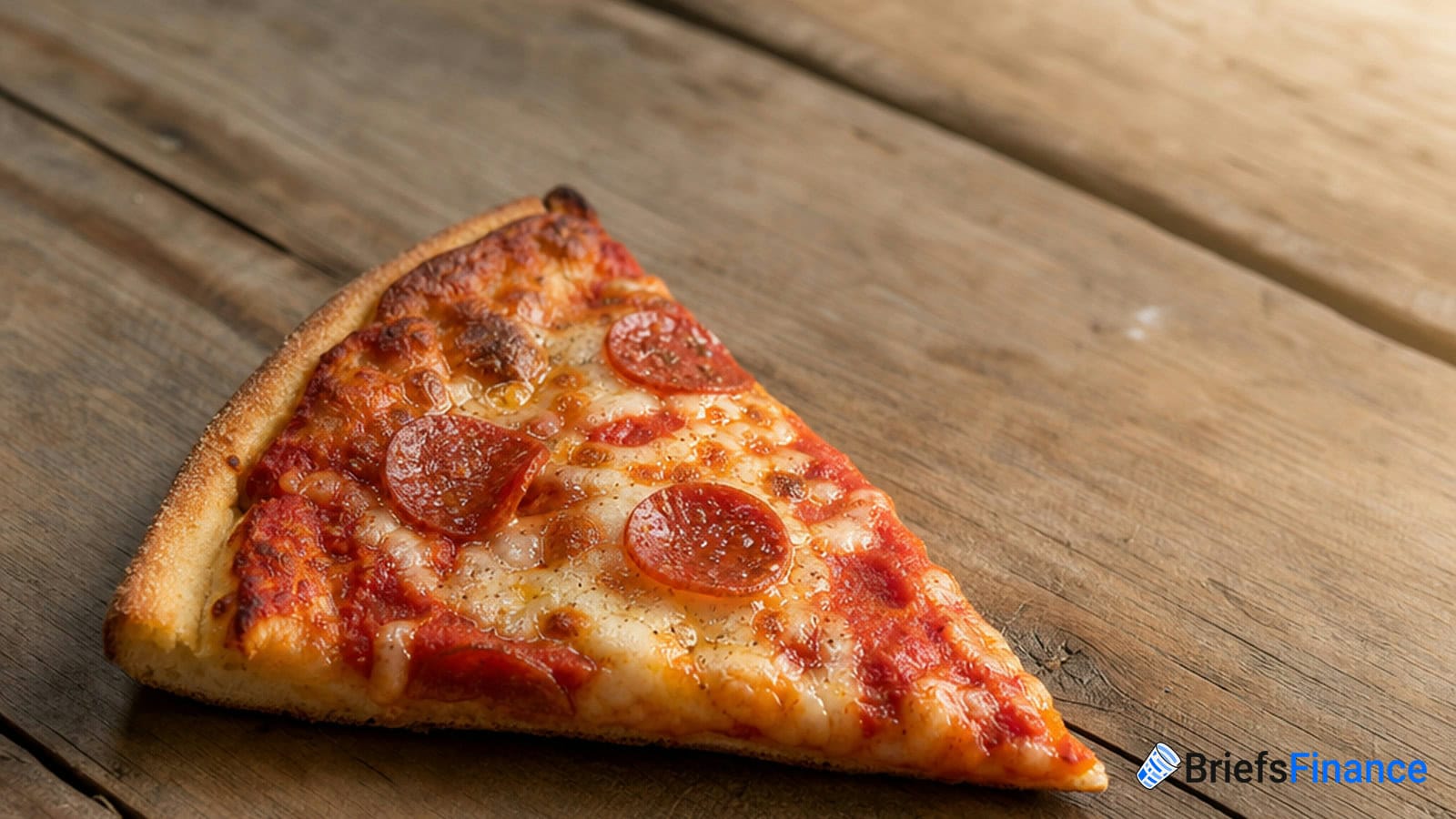
Yum Brands just sold Pizza Hut for $2.7 billion. The chain had been losing U.S. sales for 10 quarters in a row, making it the weakest brand in Yum's portfolio.
The board also approved a $4 billion buyback - bigger than the sale itself, and a clear sign Yum wants to send the cash back to shareholders rather than chase another deal.
The Deal
The $2.7 billion price splits between two buyers. Private equity firm LongRange Capital is paying $1.5 billion for Pizza Hut's stores outside mainland China.
Yum China is taking the mainland business for $1.2 billion.
After taxes and fees, Yum walks away with about $2.3 billion in cash. That money hits the books once the deal closes in the third quarter - assuming regulators sign off.
Once it closes, Pizza Hut drops out of Yum's reports for good. The company will be left with three brands: KFC, Taco Bell, and Habit Burger & Grill.
Every morning, Market Briefs breaks down deals like this in five minutes - and you get a free 45-minute investing class when you sign up.
Why Yum Cut It Loose
Pizza Hut brought in about 12% of Yum's revenue last year. But sales at U.S. stores open more than a year have fallen for 10 quarters straight.
Same-store sales track how much existing locations bring in compared to a year earlier. Ten straight declines means Pizza Hut's restaurants are pulling in less money than they were more than two years ago.
Yum had tried to fix Pizza Hut for years. The 10-quarter streak shows none of it worked.
That's a long losing streak in a pizza market where Domino's keeps taking share. Independents keep popping up too, leaving Pizza Hut squeezed from both sides.
Against that backdrop, CEO Chris Turner framed the sale as a focus play. He said the deal "enables Yum! to be a more focused company" that can "leverage its scale, technology and talent to drive future growth."
In plain English: Taco Bell and KFC are doing the growing. Pizza Hut wasn't worth fighting for anymore.
What To Watch
The $4 billion buyback is the louder signal here. Yum is bringing in $2.3 billion from the sale and sending shareholders nearly twice that back - dipping into its own balance sheet to top up the return.
That's a confidence vote in what's left. It also lays out the playbook for investors: less Pizza Hut, more capital returns, with everything riding on KFC and Taco Bell.
The buyback also matters for the stock. When a company buys back its own shares, the ones left over each get a bigger slice of the company's earnings - which is why buybacks often push share prices higher over time.
Watch China too. Yum China accepted new growth incentives tied to KFC's sales there - a signal that China, not Pizza Hut, is the story management wants investors tracking next.
Yum just picked which brands to defend - and Pizza Hut wasn't one of them.
Want this kind of read every morning? Join 350,000+ investors reading Market Briefs - comes with a free investing course as a bonus.