Free NewsletterPro Login

US-Iran Deal Could Send Iranian Oil To Market Immediately

Published Jun 16, 2026
Share:
Summary:
  • A US official confirmed any deal with Iran would allow immediate oil sales with no phase-in period, a sharp break from how sanctions relief normally works.
  • Iran could add over a million barrels a day to global supply, undercutting OPEC+ production cuts and pressuring Brent crude, which is already trading near a three-month low around $80.
  • US shale producers face the most downside risk, as many need crude above $65 a barrel to justify new drilling in Texas and North Dakota.

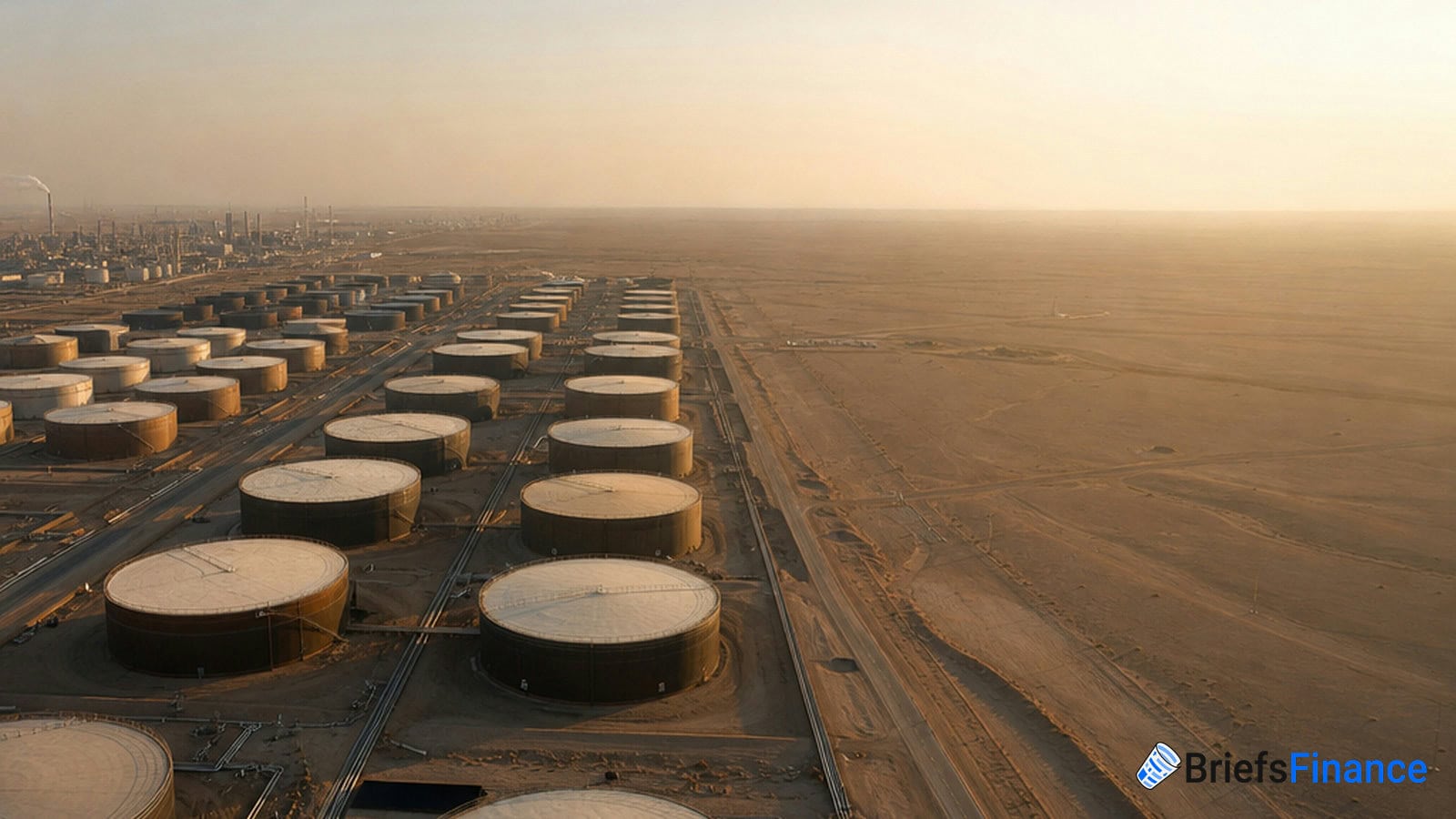
Iran has been locked out of the global oil market for years, and a new deal with the US could change that the moment both sides sign - with no phase-in or waiting period.

That kind of speed is unusual for sanctions deals, which usually unwind over months or even years.

The Deal On The Table

A US official said any agreement with Iran would let Tehran start selling oil the second both sides sign, a sharp shift from how sanctions relief usually works in stages.

Iran still ships crude today - mostly to China through discounted, off-the-books channels - but a deal would open the front door for buyers who've been shut out since 2018, when the Trump administration pulled out of the original nuclear agreement and snapped sanctions back on.

Before sanctions snapped back, Iran was pumping nearly 4 million barrels a day and exporting roughly two-thirds of that, putting it in the same league as Iraq among major Middle East producers.

European refiners and Asian buyers outside China could line up without fear of US penalties, which means Iranian barrels would compete head-on with Saudi, Iraqi, and Russian supply.

Every morning, Market Briefs breaks down what moves like this actually mean for your portfolio in five minutes - and you get a free investing masterclass thrown in when you sign up.

Why Oil Markets Care

Iran sits on the world's third-largest oil reserves, and even a partial return to full export capacity could add over a million barrels a day to global supply.

That kind of jump tends to push prices one direction: down.

Lower crude usually means cheaper gas at the pump, but it also squeezes US oil producers who need higher prices to make new drilling worth it.

OPEC+ has been holding back production for over a year to keep prices propped up, and a wave of Iranian barrels would undercut that effort within days.

Brent crude is already trading near $80, with prices sliding to a three-month low as traders price in the looming deal.

US shale producers are especially exposed to that downside.

Many need crude above $65 a barrel to justify new wells, and a sharp drop could stall drilling plans across Texas and North Dakota.

What To Watch

No deal has been signed yet, and talks have stalled before - any agreement would also face pushback in Washington, where lawmakers on both sides have raised concerns about Iran's regional behavior.

But the structure of any deal matters as much as the timing.

An immediate-sale clause means there's no buffer between signing and supply - the market would reprice the same day.

Traders are already positioning for that scenario, with options markets tilting toward lower oil prices in coming months and some funds betting the deal gets done before year-end.

The next signal will come from the negotiating table, not the pump.

If you want this kind of read on the market every morning, join 350,000+ investors reading Market Briefs - a free 45-minute investing course comes with your signup.

Disclosure

Get Market Briefs delivered to your inbox every morning for free!

No fluff. No noise. No politics. Just finance news you can read in 5 minutes.

Blogs

June 16, 2026
Tech Stocks: A Simple Guide for New Investors
  • Tech stocks are companies in the information technology and related sectors, from software to chips to the internet giants.
  • They've driven much of the market's growth, but they can be volatile and richly valued.
  • The smart approach is to understand what you own and not let one sector run your whole portfolio.
Read More
June 16, 2026
What Is a Joint Stock Company? A Simple Guide
  • A joint stock company is a business owned by many people, each holding shares of stock that represent a slice of ownership.
  • It's the basic idea behind every public company you can buy on the stock market today.
  • Owning a share makes you a part-owner, entitled to a piece of the profits and growth.
Read More
June 16, 2026
Capital Gains Tax in California: A Simple Guide
  • Capital gains tax is what you owe when you sell an investment for more than you paid for it.
  • How long you held it matters: long-term gains are taxed more gently than short-term gains at the federal level.
  • Smart investors lower the bill with tools like tax-loss harvesting and holding for the long run.
Read More
June 15, 2026
Top Covered Call ETFs: How to Compare Them
  • Top covered call ETFs are income funds that own stocks and sell call options against them to generate steady cash.
  • The best one for you is the fund whose income, holdings, and fees fit your goals, not simply the one with the flashiest yield.
  • They all share one trade-off: more income today, less upside in a big rally.
Read More
June 15, 2026
What Are Stock Options? A Plain-English Guide
  • Stock options are contracts that give you the right, but not the obligation, to buy or sell a stock at a set price by a set date.
  • There are two kinds: calls (the right to buy) and puts (the right to sell).
  • Options can multiply gains or wipe out your money fast, so they suit investors who already know the basics.
Read More
June 15, 2026
EBITDA Margin: What It Is and How to Calculate It
  • EBITDA margin measures how much core profit a company keeps from each dollar of sales, before interest, taxes, and accounting deductions.
  • The formula is EBITDA divided by revenue, shown as a percent.
  • A higher, steadier EBITDA margin usually signals a more efficient, more durable business.
Read More
June 15, 2026
What Is Taxable Income? A Simple Guide for Investors
  • Taxable income is the portion of your money the government can tax after deductions are applied.
  • Not all income is taxed the same: job income, investment income, and passive income face different rates.
  • Investors and business owners get more tools to legally lower their taxable income, which is a big edge over time.
Read More
June 15, 2026
What Is a Covered Call? How the Strategy Works
  • A covered call is an options strategy where you own a stock and sell someone the right to buy it from you at a higher price.
  • You collect cash, called the premium, up front, and keep it no matter what happens.
  • The trade-off: if the stock soars, your shares get sold at the set price and you miss the extra upside.
Read More
June 15, 2026
What Is Gross Margin? A Simple Guide for Investors
  • Gross margin is the share of each sales dollar a company keeps after paying the direct cost of whatever it sold.
  • The formula is simple: revenue minus cost of goods sold, divided by revenue, shown as a percent.
  • A steady or rising gross margin points to pricing power, and it is one of the first things smart investors check.
Read More
June 15, 2026
What Is a Dividend? A Plain-English Guide for Investors
  • A dividend is a cash payment a company sends you just for owning its stock, usually every three months.
  • Dividends are one of two ways stocks pay you, the other being the share price going up.
  • Dividends are never guaranteed, so the strength of the business behind the payment matters more than the size of the payment.
Read More
1 2 3 23
Share via
Copy link










