Markets did not wait for the signatures. Oil dropped and stocks jumped before the deal was even signed.
The U.S. and Iran agreed to a framework to end their war. The early payoff for Iran could be huge.
What Iran could get
The two sides digitally signed a memorandum of understanding on Sunday. A formal signing is set for Switzerland on Friday.
A memorandum of understanding, or MOU, is an early deal that spells out the terms before a final contract. Oil markets had been on edge since the war began.
The headline number is a possible $300 billion investment fund for Iran. The country could also start selling oil again and eventually reach assets frozen abroad.
Iran needs the help. The war did an estimated $29 billion in damage and pushed inflation to its worst level since 1942.
Years of sanctions have also locked Iran out of much of the world economy. A fresh flow of cash would be a major lifeline.
The deal also extends a 60-day ceasefire for more talks. One big topic is what to do with Iran's stockpile of over 440 kilograms of enriched uranium.
We explain how news like this hits oil, stocks, and your portfolio every morning in Market Briefs - and you get a free investing masterclass when you sign up.
The money is conditional and disputed
Almost every dollar comes with an asterisk. Vice President JD Vance said the money is tied to Iran's "performance," and called it no payout.
The fund would reportedly come from Gulf states and eager companies, not from Washington. Trump even called reports of a cash payout "fake news."
Vance also said Iran agreed to give up its uranium, allow regular inspections, and never build a bomb. The full text is still secret.
The numbers are already in dispute. Iranian media said the draft frees $24 billion in frozen assets, while Vance said that figure appears nowhere.
Iran's total frozen assets are believed to top $100 billion. So the gap between the two sides is wide.
What To Watch
Investors cared most about one thing: oil. Brent crude fell about 4% to just under $84 a barrel, after topping $100 during the war.
Lower oil feeds straight into cheaper gas and shipping. The relief spread to stocks across Asia, where Japan's Nikkei jumped 5.5% and South Korea's Kospi rose as much as 5.7%.
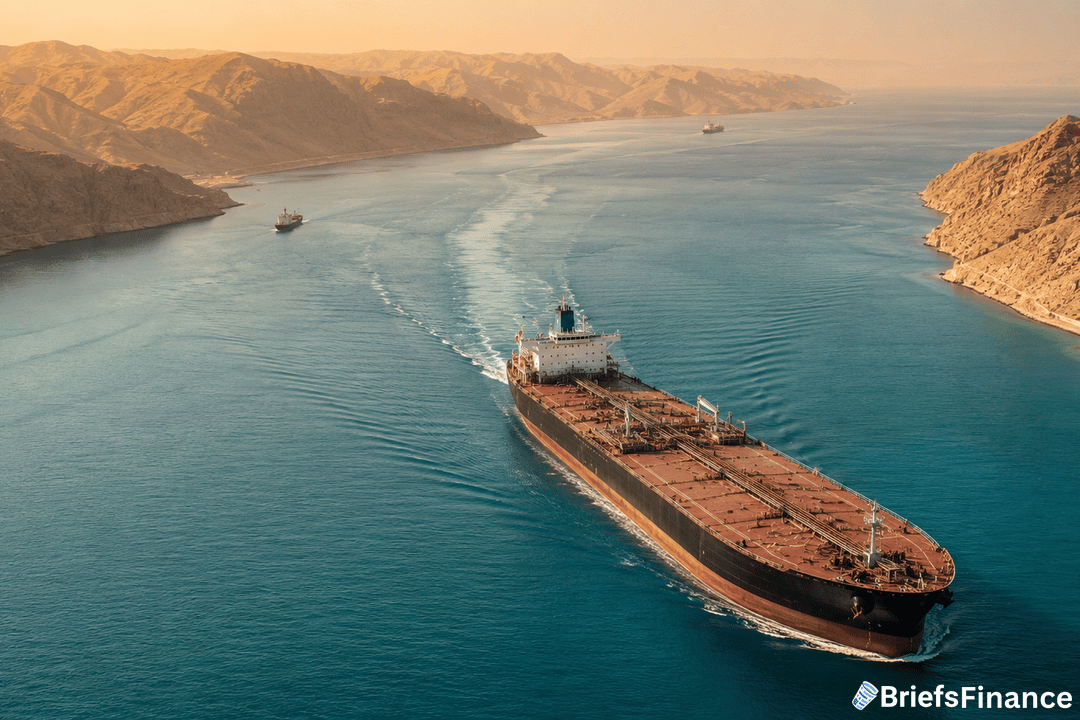
The deal also reopens the Strait of Hormuz, the narrow lane that carries about a fifth of the world's oil. Trump marked it with a blunt "Let the oil flow!"
Iran is more guarded. Its foreign minister pointed to a "history of broken promises" on past deals.
Speaking at the G7, Trump still called the deal "fair."
He warned that Iran still "can't have a nuclear weapon."
Those talks are the thing to watch. The market has already priced in a peace that the two sides still describe very differently.
Get the market made simple before you've finished your coffee. Read Market Briefs, with a 45-minute investing course included as a bonus.