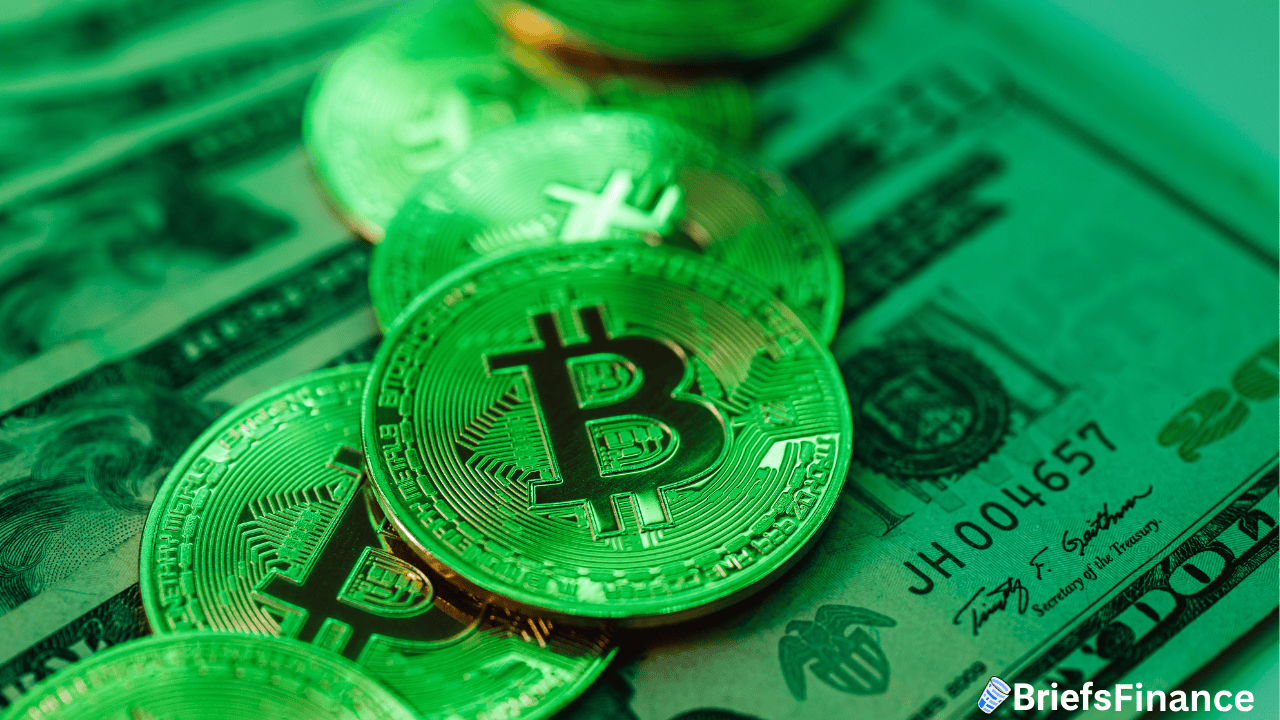
- Blockchain is a digital ledger that records every transaction on a public network.
- Once a transaction is recorded, it cannot be changed or deleted.
- It is the foundation of Bitcoin, Ethereum, and thousands of other cryptocurrencies.

Bill Ackman wanted Universal Music Group to sell its Spotify stake. Three weeks later, Universal said it would sell half.
The world's largest record label said Wednesday it will reduce its Spotify (SPOT) holding from about 3% to 1.5% and use the cash to fund a bigger share buyback. The move addresses pressure from Ackman without giving him the full deal he proposed.
Based on Spotify's closing price on April 28, half of Universal's stake is worth roughly $1.4 billion. Universal said the proceeds, along with other capital, would fund an expanded €1 billion ($1.17 billion) share buyback program.
Universal's Q1 results, also released Wednesday, came in solid. Revenue was €2.9 billion ($3.4 billion), flat year over year in reported terms but up 8.1% in constant currency. Subscription sales beat estimates.
Artists will share in the proceeds from the Spotify stake sale, the company said, but the buyback will move first. Universal's share of the proceeds will go directly into the buyback program.
Three weeks ago, Ackman's Pershing Square launched a $64 billion takeover bid for Universal Music. Part of his pitch was that Universal's full Spotify stake should be liquidated to help fund the deal. He argued the music company was undervalued.
Universal pushed back on the takeover but moved quickly to address the underlying complaint. Selling half the Spotify stake and ramping the buyback gets some of the same effect Ackman wanted, on Universal's own terms.
Universal has held a Spotify position since well before the streaming service went public in 2018. The position has been a quiet wealth driver as Spotify's stock climbed. But it has also been a question mark for investors. Why does a record label own a fixed equity stake in its biggest customer?
Cutting it in half thins the link without breaking it. Universal still owns 1.5%.
Activist pressure on European media companies is rising, and Universal's response could become a template. The buyback expansion is the next data point. Investors will track how aggressively Universal moves on it through the rest of 2026.