The Iran war has been a slow drip of news for 10 weeks. On Monday it turned back into a market-moving event, as Trump rejected Iran's offer and oil shot back above $100.
The Sticking Point Is The Strait Of Hormuz
Iran's offer asked for a lot. The list: war payback, full control of the Strait of Hormuz, an end to sanctions, and the release of frozen Iranian funds.
Trump's reply was a Truth Social post calling the offer unworkable.
Iran's President Masoud Pezeshkian then went on X to say: "We will never bow our heads before the enemy."
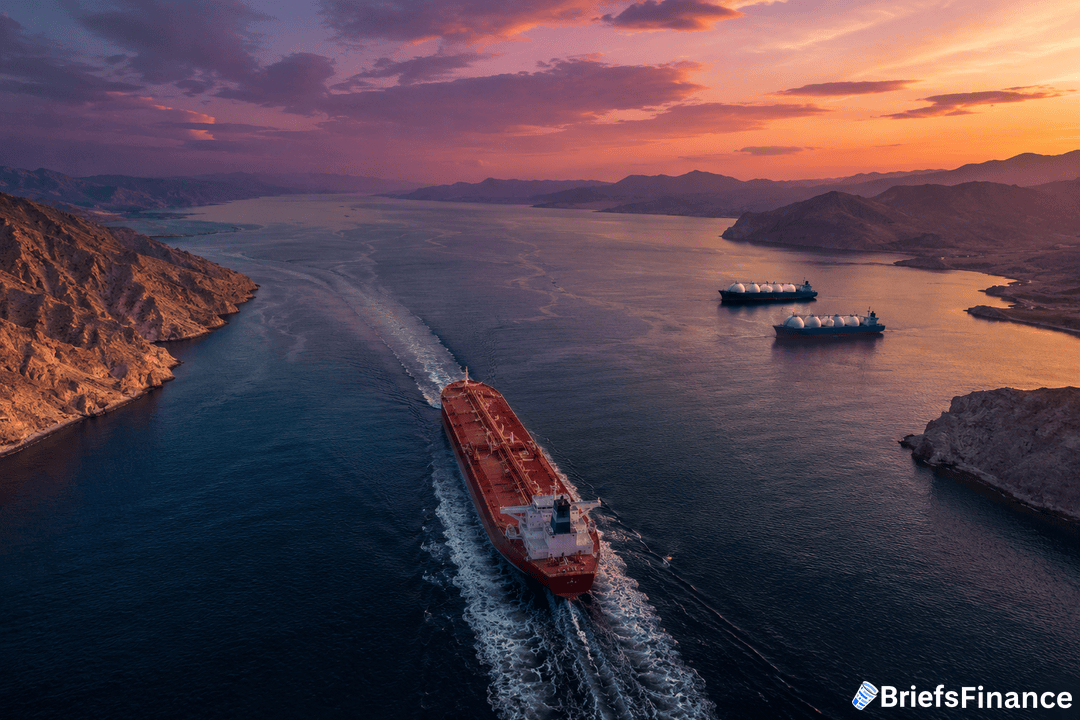
One small move on Sunday hinted at a thaw - a Qatari gas tanker crossed the strait for the first time since the war began, with Iran's blessing.
The market noticed for a minute. Then it priced in the bigger picture, with WTI June futures up 4.96% to $100.30 a barrel and Brent July futures up 4.92% to $105.76.
The Strait of Hormuz handles about a fifth of the world's oil. That is why every headline out of it moves prices. As long as Iran controls who passes through, the war risk stays in oil.
If you want a daily read on how oil, sanctions, and the Iran war hit your portfolio, Market Briefs has it - in under five minutes, plus a free 45-minute investing masterclass when you sign up.
Nuclear Talks Are Stuck Too
The Wall Street Journal said Iran turned down the U.S. ask on its nuclear plan. Iran is willing to pause uranium work, but only for a short window. The U.S. wants 20 years.
Iran's offer is to thin out some of its top-grade uranium and send the rest to a third country. Iran would get the rest back if the U.S. exits any deal.
Iran also refused to tear down its nuclear sites.
Israeli PM Benjamin Netanyahu told CBS' 60 Minutes the war is not over. Iran, he said, still has its uranium, its sites, its proxies, and a missile plan in the works.
What To Watch
Trump meets Xi Jinping in Beijing later this week. The U.S. wants China to lean on Iran to reopen the strait. Ben Emons at Fed Watch Advisors says the most likely outcome is "managed détente with potentially thin deliverables" - vague joint words and not much else.
The UAE shot down two Iranian drones over the weekend, while Qatari waters got hit by a drone strike on a cargo ship. Kuwait flagged hostile drones in its airspace too.
Iran's army spokesperson warned of "surprising options" if rivals "miscalculate" again. And Iran's new top leader, Mojtaba Khamenei, has issued fresh orders for the military, per state media.
For investors, that means the war risk in oil is staying put. Oil ETFs, energy stocks, and big oil names have moved with each headline this week.
The war is not winding down.
For a daily read on what oil at $100 means for your money, join Market Briefs free and get a 45-minute investing course thrown in as a bonus.