The U.S. and Iran have a deal.
Almost nobody in Congress has actually read it.
A Deal Markets Care About
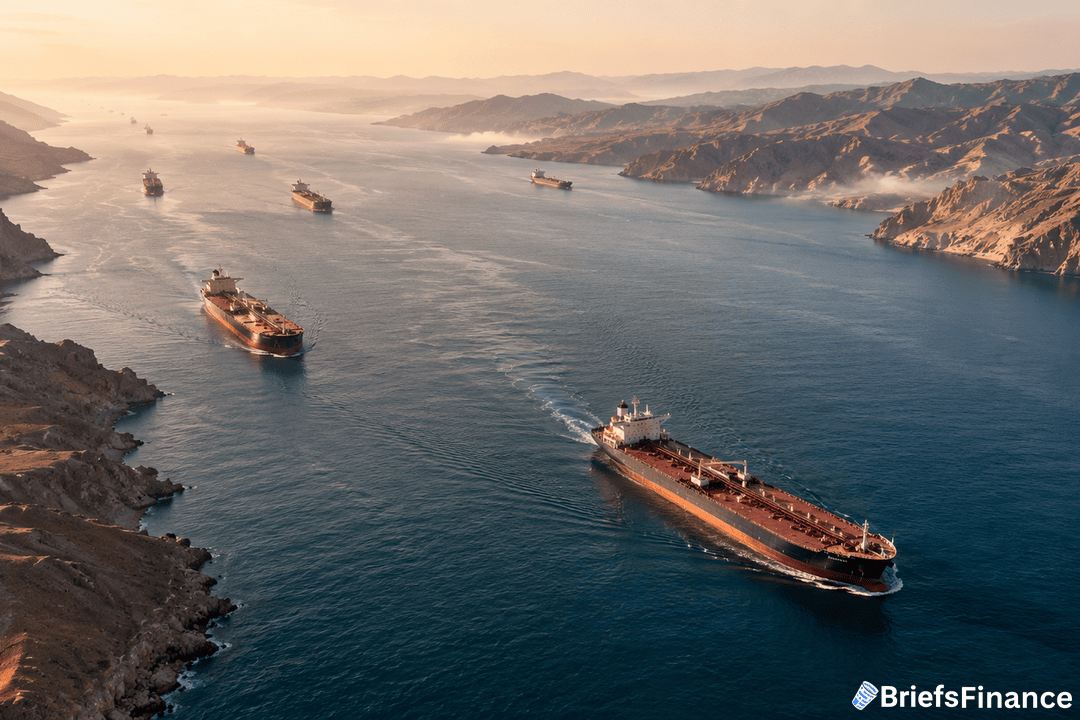
For investors, the big piece is the Strait of Hormuz. The shipping lane was shut this spring during the conflict.
That snarled supply chains and pushed gas prices higher. So a reopening matters for oil.
Gas prices had jumped during the standoff. Drivers felt it at the pump.
Wars like this often send investors toward gold and other safe havens.
Trump spoke at the G7 summit in France. He said the strait is already starting to reopen.
"Ships are starting to move now," he said. He added that oil prices are coming down.
The plan is for the U.S. to drop its naval blockade. In return, Iran reopens the waterway.
Trump even told reporters it would be "permanently toll-free." The framework was signed online on Sunday.
It could end fighting that began in February. An official signing is set for Friday in Geneva.
We break down what global news like this means for your money in Market Briefs - five minutes each morning, with a free investing masterclass included.
Nobody Has Seen The Text
Here's the problem. The text of the deal hasn't been released.
Trump says he'll share details on Friday. What's known is thin.
The early deal would extend the ceasefire 60 days. It would also start talks on Iran's nuclear program.
Vice President JD Vance named the two big pieces. They are reopening the strait and a promise from Iran not to build nuclear weapons.
Rumored terms are already being denied. Vance says reports of $24 billion in released Iranian assets are false.
Trump also rejected claims of a $300 billion fund to rebuild Iran. He even joked he would tell Congress not to approve the deal, sure they then would.
Why Congress Is Uneasy
Lawmakers in both parties want a say. Senate Majority Leader John Thune said he hadn't even been briefed.
Minority Leader Chuck Schumer called for public details. Even Trump allies are wary.
Sen. Lindsey Graham said he's pleased about the strait. But he still wants a vote, with VP Vance at the table.
Sen. John Kennedy shrugged it off as "a deal to try to reach a deal." Sen. Thom Tillis warned it could vanish under the next president.
Tillis pointed to Obama's 2015 Iran deal, which Congress never locked in. Some lawmakers want this one to come as a treaty, with a full Senate vote.
Others worry Iran reads the terms differently than the U.S. does. Sen. Richard Blumenthal went further, calling this one a possible "surrender."
Oil and defense stocks can turn volatile on news like this.
What To Watch
Friday is the day to circle. That's when the details are due and the signing is set.
Trump says oil is already falling on a deal nobody outside the room has read. Friday is when everyone finally sees the fine print.
For plain-English coverage of the stories moving markets every weekday, join hundreds of thousands of investors reading Market Briefs and get a 45-minute investing course as a bonus.