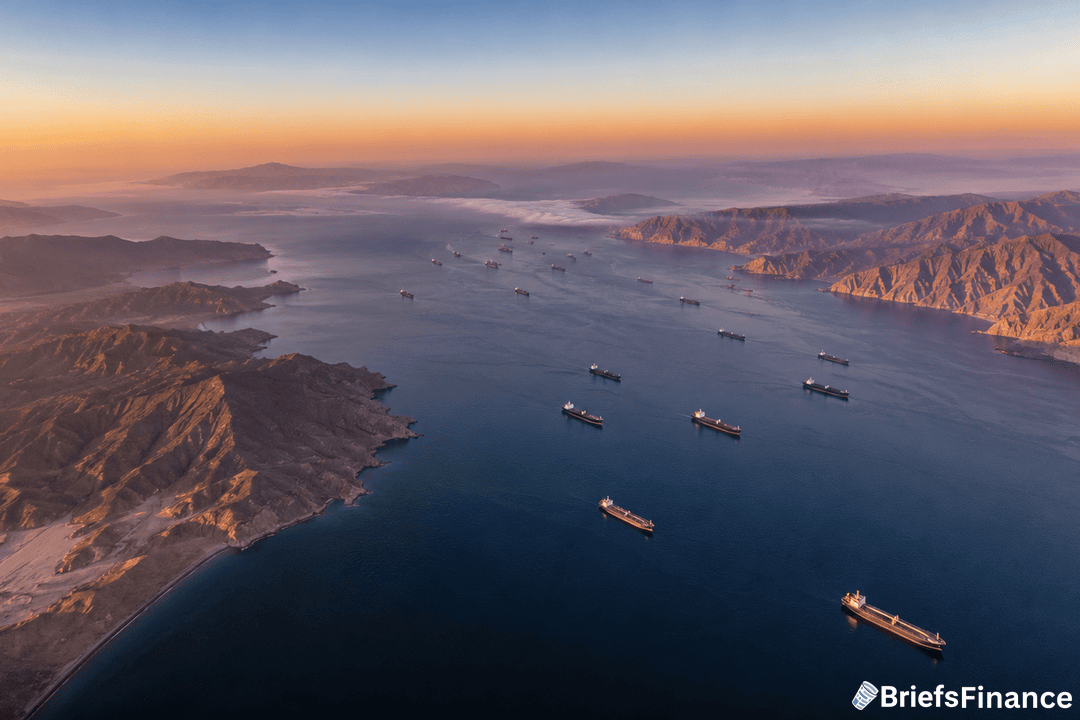
A ceasefire usually means the shooting stops. This one didn't.
U.S. forces hit targets in southern Iran early Tuesday - the same week Fox News reported a deal between Washington and Tehran could be "95% there." Oil traders couldn't decide what to make of it: Brent jumped more than 4%, while WTI fell about 5%.
What CENTCOM Actually Hit
U.S. Central Command described the strikes as self-defense, aimed at "threats posed by Iranian forces." Spokesman Tim Hawkins said the targets included missile launch sites and Iranian boats trying to lay sea mines.
Hawkins said the action stayed inside the rules of the ceasefire reached on April 8, but it is not the first crack in that truce. U.S. Marines seized an Iranian cargo ship later that month, and both sides traded fire in the Strait of Hormuz in May, with each blaming the other.
The Strait sits at the heart of this story. Its de facto shutdown is what triggered the global energy supply shock now squeezing oil and gas markets.
For a five-minute read on how moves like this hit your portfolio, Market Briefs lands in your inbox every weekday - and you get a free investing masterclass when you sign up.
Trump Says A Deal Is Close. He Also Says It Might Not Happen
Trump said Monday talks with Iran were "proceeding nicely," then warned the agreement would be "a Great Deal for all or no Deal at all." If it falls apart, he said the U.S. would go "Back to the Battlefront and shooting, but bigger and stronger than ever before."
Secretary of State Marco Rubio, in India this week, said the Strait of Hormuz has to reopen "one way or the other" and that final talks on the deal could "take a few days."
Trump also posted that Iran's enriched uranium stockpile would be "immediately turned over to the United States to be brought home and destroyed" - either inside Iran or at another site. He pushed Arab nations to sign the Abraham Accords as part of the deal, but Pakistan rejected the idea, with a source telling Reuters the two issues are "not interlinked and cannot be made so."
Chen Lanhee, a partner at advisory firm Brunswick, told CNBC Squawk Box Asia that what most American voters want isn't complicated - they want pump prices down and the war over.
What To Watch
Two things from here. First, oil: if Brent keeps climbing and gas stations follow, the political pressure to lock in a deal gets very loud, very fast.
Second, the Strait. Whether it reopens in days or doesn't reopen at all will tell investors more than any speech.
A ceasefire that includes strikes is the part of the story Wall Street is still trying to price.
If you want a daily read that actually decodes news like this, sign up for Market Briefs and grab the free 45-minute investing course thrown in with it.