- A core-satellite portfolio splits investments into stable core holdings and higher-risk satellite picks.
- The core is usually 60% of the portfolio, with satellites at 40%.
- It blends passive index investing with active opportunity bets.

The Treasury just pulled off the largest Iran-linked crypto freeze of the war. The headline number is $344 million. The bigger number is $170 million per day.
That is the daily cash Iran will lose if its main oil port runs out of room. Treasury Secretary Scott Bessent put that number on it.
Bessent named the action "Operation Economic Fury." It is a campaign to choke off Iran's access to oil cash. The frozen funds were USDT. That is the dollar-pegged token issued by Tether. The funds were sitting in two wallets on the Tron blockchain.
One wallet held about $213 million. The other held about $131 million. Both were tied to Iran's Islamic Revolutionary Guard Corps, the elite arm of the Iran regime.
Tether itself ran the freeze. That is the part most crypto holders gloss over. A private firm can switch off any wallet on demand. So can the Treasury.
For people who hold these tokens or use them for crypto lending, that is the key point. USDT is pegged to the dollar. But it is not trustless.
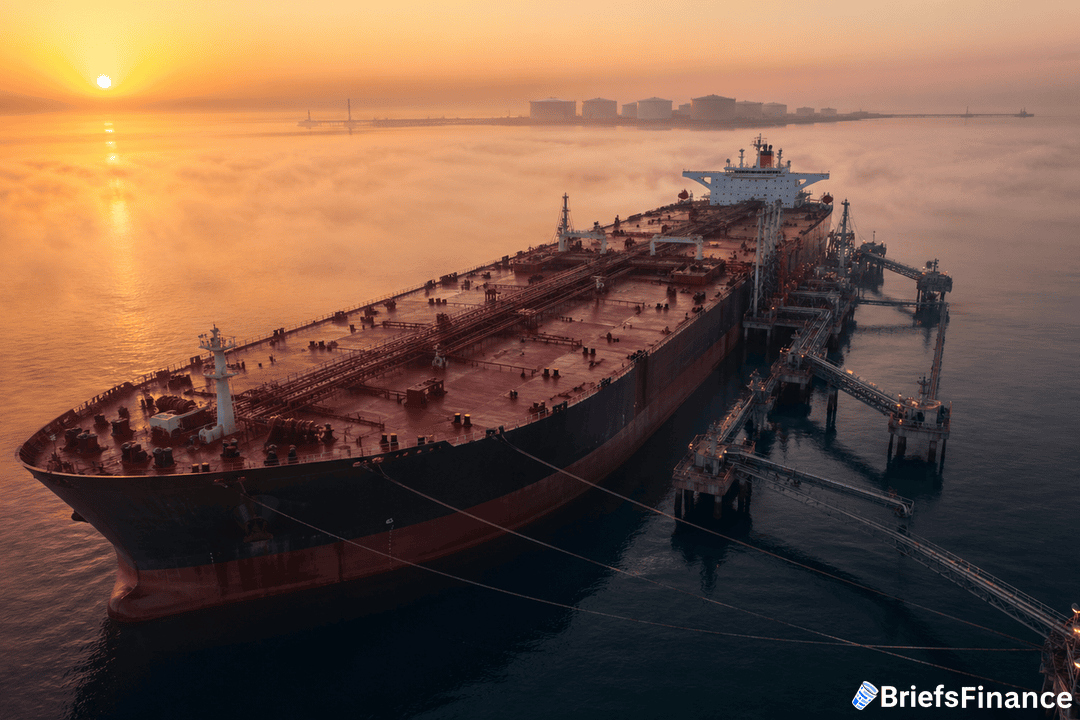
The bigger pressure point is not the wallets. It is a small island in the Persian Gulf.
Kharg Island handles the bulk of Iran's seaborne oil exports. Sanctions are squeezing buyers and tankers are slowing. Bessent says the port is close to storage limit. Once it fills, Iran has to cut output or risk hurting its wells.
Bessent put a price tag on it. Iran will lose $170 million per day in cash. He also said the storage problem will cause "permanent damage to Iran's oil infrastructure." That number is meant to spook Tehran's bean counters more than its troops.
The Treasury is also pressing other players. It has shared info with banks in China, Hong Kong, the UAE, and Oman. Those banks may have helped move Iran's funds. Small Chinese plants in Shandong Province are next on the list.
Bessent said the Treasury has now hit Iran's "shadow banking" web. It has also hit Iran's weapons buying networks. The Treasury has also gone after the "shadow fleet" of tankers used to hide where oil comes from.
The campaign has choked off tens of billions of dollars in oil cash. That is cash Iran was set to take in. Treasury staff told FOX Business they are also growing sanctions. Airlines, shipping firms, and any bank that keeps backing Iran's economy could be next.
The crypto seizure made the news. The oil math is what could really move markets.
If Kharg Island stops loading tankers, Iran's crude comes off the global market in a hurry. That tightens an already tight oil picture. It also pushes prices higher than the current $100-plus level.
Bessent told FOX Business the campaign is not slowing down. Iran's runway just got shorter.
For oil traders, the next move is the one to track. If Iran cuts output, each oil-linked stock prices in tight supply. If Iran finds a way around the squeeze, prices ease. Either way, Kharg Island is the lead signal.