Pro Login

The S&P 500 Just Erased Every Dollar It Lost During the Iran War

Published Apr 14, 2026
Share:
Summary:
  • The S&P 500 climbed above 6,878 points on Monday, its level before the Iran war started in late February.
  • The Nasdaq 100 is on pace for a 10-day winning streak, the longest since 2021.
  • The rally was driven by ceasefire hopes, strong bank earnings, and cooler-than-expected inflation data.

Six weeks ago, the U.S. launched strikes on Iran. Stocks fell. Oil spiked. Investors feared the worst.

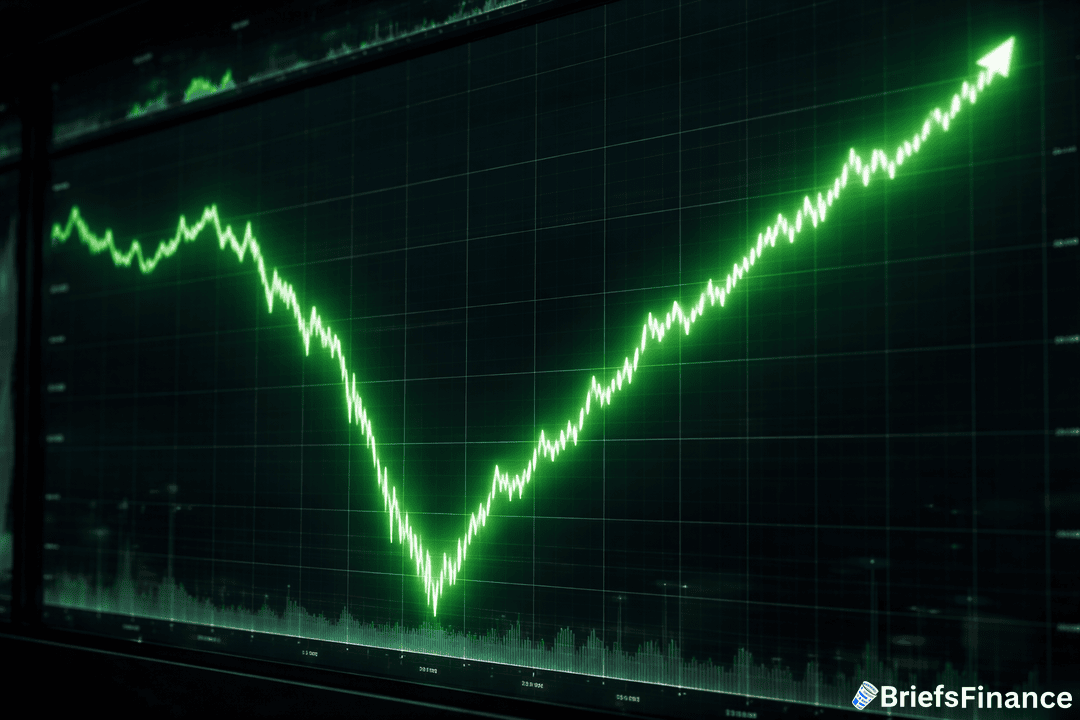
Now the S&P 500 is right back where it started. The index climbed above 6,878 on Monday. That wipes out every dollar lost since the war began in late February. It's as if the whole thing never happened. But did the risk really go away? Or is the market just hoping it did?

Three Things Came Together at Once

The first was the ceasefire. On April 7, the U.S. and Iran agreed to pause fighting. That took the worst-case scenarios off the table - at least for now. The second was bank earnings. JPMorgan, Citigroup, and Goldman Sachs all beat by wide margins. Strong profits from the biggest banks calmed nerves and pulled money back into stocks. The third was inflation data. March prices came in cooler than anyone expected. That gave investors hope that the Fed might still cut rates this year. Lower rates help stocks by making it cheaper for firms to borrow and grow. All three of these things happened in the span of one week. That's what it took to erase six weeks of war-driven losses.

Tech Led the Way

The Nasdaq 100 has been even hotter. It's on pace for its tenth straight day of gains. That would be the longest winning streak since 2021. Tech stocks led the charge. When oil drops, it takes heat off growth firms. Their costs go down, and investors feel more willing to pay up for future profits. Lower bond yields helped too - they make the cash that tech firms plan to earn years from now worth more today. In plain terms: The combo of falling oil, cooling prices, and strong bank results gave tech stocks the green light to rally.

Why It Might Not Last

Here's the catch. The rally rests on hope. Not facts. Oil is still near $98 a barrel. Before the war, it was under $70. The ceasefire is short-term. Peace talks are shaky. If those talks fall apart and the Strait of Hormuz stays shut, the market could give back these gains just as fast as it made them. Citadel CEO Ken Griffin warned on Tuesday that a long closure of the Strait would push the whole world into a downturn. The market hasn't priced that risk in at all.

The speed of this rally is rare. The S&P 500 clawed back losses from a full-scale war in just five weeks. For context, it took more than six months to bounce back from the 2022 sell-off. That kind of fast snap-back can be a sign of strength - or a sign that the market is getting ahead of itself.

What to Watch

Every 401(k) in America just got a reset. The next test is whether this rally holds through earnings season - or if it turns out to be a false start. Watch oil prices and the April 21 ceasefire deadline. If either goes the wrong way, this bounce could fade fast.

How to Think About This as an Investor

Fast recoveries can go two ways. Sometimes they mark the start of a new leg up. Other times, they set up a bigger fall. The smart play right now is to stay invested but keep some cash on the side. If the rally holds, you're in. If it fails, you have dry powder to buy the dip. Either way, the next two weeks will tell us a lot.

Disclosure

Get Market Briefs delivered to your inbox every morning for free!

No fluff. No noise. No politics. Just finance news you can read in 5 minutes.

Blogs

April 13, 2026
What Is Free Cash Flow? How To Find It & Why It's Important
  • Free cash flow is the cash a company has left after paying its bills and putting money back into the business.
  • Investors use free cash flow to figure out what a company is really worth - and if the stock is a good deal.
  • You can find free cash flow on a company's cash flow report, one of three key reports every public company files.
Read More
April 13, 2026
Non Taxable Income: What It Is and Why Investors Care

Non taxable income is money you earn that the IRS does not tax - like Roth IRA cash, muni bond interest, and certain investment gains. The U.S. tax code taxes workers, investors, and business owners at very different rates. Tools like Roth accounts, muni bonds, and real estate write-offs can help you keep more of what you earn.

Read More
April 11, 2026
Nasdaq Index Fund: A Beginner's Guide to Investing in the Nasdaq 100
  • A Nasdaq index fund lets you invest in the 100 biggest non-bank companies on the stock market all at once.
  • You can access the Nasdaq through index funds, mutual funds, or ETFs like QQQ - each with its own fees, trading rules, and style.
  • Picking the right Nasdaq index fund comes down to three things: who runs it, what is in it, and what it costs.
Read More
April 11, 2026
What Is Wealth? It's Not What Most People Think
  • Wealth is about owning assets that grow and pay you - not just earning a high salary.
  • In a capitalist system, there are two ways to get paid: from your labor and from your capital.
  • Building wealth takes a shift in mindset, a money system, and the habit of investing before you spend.
Read More
April 10, 2026
Micron Stock: The AI Memory Play Most Investors Are Missing
  • Micron (MU) is the only U.S. company that makes HBM chips - the short-term memory layer that AI systems need to run.
  • By early 2026, data centers were using about 70% of all memory chips made in the world, creating an 18-month backlog for new orders.
  • Micron's DRAM - or short-term memory chip - revenue jumped 69% year over year, and the company shifted away from consumer products to focus almost entirely on AI.
Read More
April 10, 2026
What Is Working Capital? What Investors Need To Know
  • Working capital is current assets minus current liabilities - it shows if a business can pay its short-term bills.
  • You find it on a company's balance sheet inside its 10-K report.
  • Changes in working capital show up on the cash flow statement and affect how much cash a business really makes.
Read More
April 9, 2026
What Is a Meme Stock? A Simple Guide for New Investors

You've probably heard the term "meme stock" thrown around on […]

Read More
April 9, 2026
Enterprise Value Formula: What It Is and How to Calculate It
  • Enterprise value (EV) shows what a company is really worth - debt and cash included - not just its stock price
  • The enterprise value formula is: Market Cap + Total Debt - Cash and Cash Equivalents
  • Investors use EV with metrics like EBITDA to compare stocks more fairly than market cap alone
Read More
April 8, 2026
Return on Equity: What It Is and How to Use It
  • Return on equity (ROE) measures how much profit a company earns for every dollar of shareholder equity
  • The formula is simple: net income divided by shareholder equity
  • A higher ROE can signal a company that is good at turning investor money into profit - but it is not the full picture
Read More
April 4, 2026
Personal Finance Books That Actually Teach You to Build Wealth

Most investors grow up hearing the same financial advice. Study […]

Read More
1 2 3 17
Share via
Copy link