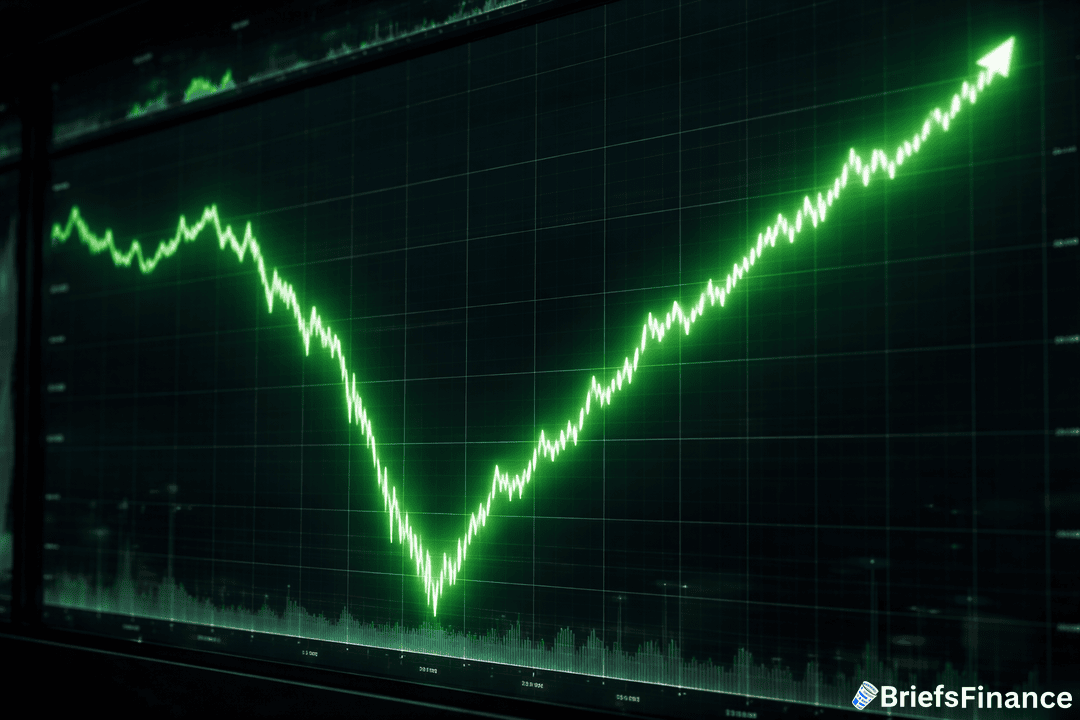
Six weeks ago, the U.S. launched strikes on Iran. Stocks fell. Oil spiked. Investors feared the worst.
Now the S&P 500 is right back where it started. The index climbed above 6,878 on Monday. That wipes out every dollar lost since the war began in late February. It's as if the whole thing never happened. But did the risk really go away? Or is the market just hoping it did?
Three Things Came Together at Once
The first was the ceasefire. On April 7, the U.S. and Iran agreed to pause fighting. That took the worst-case scenarios off the table - at least for now. The second was bank earnings. JPMorgan, Citigroup, and Goldman Sachs all beat by wide margins. Strong profits from the biggest banks calmed nerves and pulled money back into stocks. The third was inflation data. March prices came in cooler than anyone expected. That gave investors hope that the Fed might still cut rates this year. Lower rates help stocks by making it cheaper for firms to borrow and grow. All three of these things happened in the span of one week. That's what it took to erase six weeks of war-driven losses.
Tech Led the Way
The Nasdaq 100 has been even hotter. It's on pace for its tenth straight day of gains. That would be the longest winning streak since 2021. Tech stocks led the charge. When oil drops, it takes heat off growth firms. Their costs go down, and investors feel more willing to pay up for future profits. Lower bond yields helped too - they make the cash that tech firms plan to earn years from now worth more today. In plain terms: The combo of falling oil, cooling prices, and strong bank results gave tech stocks the green light to rally.
Why It Might Not Last
Here's the catch. The rally rests on hope. Not facts. Oil is still near $98 a barrel. Before the war, it was under $70. The ceasefire is short-term. Peace talks are shaky. If those talks fall apart and the Strait of Hormuz stays shut, the market could give back these gains just as fast as it made them. Citadel CEO Ken Griffin warned on Tuesday that a long closure of the Strait would push the whole world into a downturn. The market hasn't priced that risk in at all.
The speed of this rally is rare. The S&P 500 clawed back losses from a full-scale war in just five weeks. For context, it took more than six months to bounce back from the 2022 sell-off. That kind of fast snap-back can be a sign of strength - or a sign that the market is getting ahead of itself.
What to Watch
Every 401(k) in America just got a reset. The next test is whether this rally holds through earnings season - or if it turns out to be a false start. Watch oil prices and the April 21 ceasefire deadline. If either goes the wrong way, this bounce could fade fast.
How to Think About This as an Investor
Fast recoveries can go two ways. Sometimes they mark the start of a new leg up. Other times, they set up a bigger fall. The smart play right now is to stay invested but keep some cash on the side. If the rally holds, you're in. If it fails, you have dry powder to buy the dip. Either way, the next two weeks will tell us a lot.