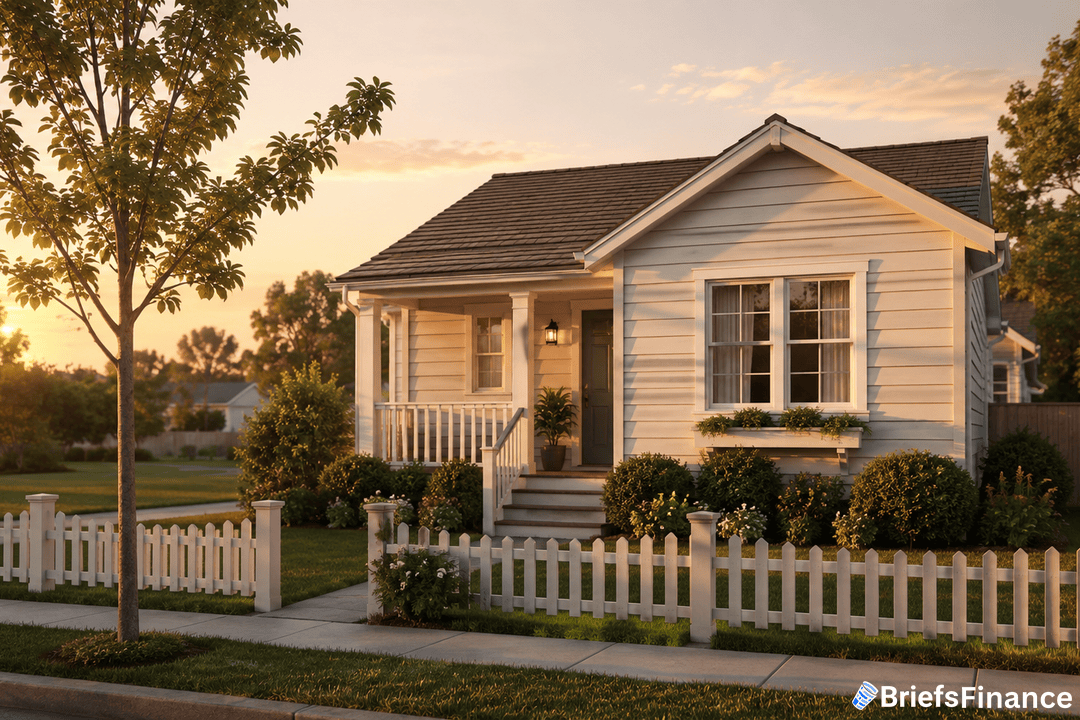
A starter home is supposed to be the cheap one. It is the first rung on the property ladder.
In 242 U.S. cities, that first rung now costs at least $1 million. That count has tripled since 2020.
What Zillow Found
Zillow counts a starter home as one in the bottom third of home values in an area. So this is the floor of the market, not the fancy stuff.
In 242 cities, that floor now sits at $1 million or more. Five years ago, far fewer places hit that mark.
The spread is wide, too. Some 26 states now have at least one million-dollar starter city.
Before the pandemic, only 9 states did. That is a fast jump in just five years.
This is still the high end, not the norm. The typical U.S. starter home costs just under $199,000.
So most first homes are far cheaper than a million. But the pricey end is growing quickly.
Why did this happen? The pandemic was the spark.
Mortgage rates fell to record lows. A home shortage then met a rush of buyers, and prices jumped.
Rates later climbed, but prices never fully came back. So the floor of the market stayed high.
We translate housing numbers like these into plain English in Market Briefs, and joining throws in a free investing masterclass.
Where The Million-Dollar Starters Are
California is in a league of its own, with 105 cities. New York has 41, and New Jersey has 26.
Florida adds 11 and Massachusetts has 10. Washington and Texas round out the top tier.
Even so, most of the list sits on the coasts. The middle of the country has far fewer.
The trend is also creeping up the Northeast. Zillow economist Kara Ng said the pandemic reset home costs.
It pushed pricey starter homes well beyond a few coastal states. Now they show up in more than two dozen.
The reason comes down to supply. The Northeast has not built enough homes, so prices keep climbing. This is the kind of squeeze that shapes any real estate strategy.
Sun Belt cities did add new homes. As a result, their price growth has cooled off.
What It Means For Buyers
The squeeze is not just at the top. The median U.S. home now runs close to $418,000.
That high price keeps the real estate market tight. A household needs about $117,000 a year to afford the average home.
At that income, the buyer would spend roughly 40% of their pay on it. That is well above what experts call safe.
Experts say to keep a mortgage under 30% of your pay. They also suggest putting 15% down, which means a bigger down payment.
At today's prices, both targets are a stretch for many buyers. That math makes saving for a down payment harder every year.
The fix is more homes. And the places building them are the ones watching prices cool.
If you want news like this explained in five minutes a morning, join Market Briefs and get a free 45-minute investing course thrown in.