Free NewsletterPro Login

SpaceX Just Spent $60 Billion To Fix Grok

Published Jun 16, 2026
Share:
Summary:
  • SpaceX is acquiring four-year-old AI coding startup Cursor for $60 billion, funded by its recent $85 billion IPO war chest.
  • Cursor grew annual revenue more than 10x in under a year to over $1 billion, making it one of the fastest-growing software companies ever built.
  • The deal is designed to feed Grok real developer training data after Musk's AI model fell behind rivals from OpenAI, Anthropic, and Google, especially on coding tasks.

SpaceX just pulled off the biggest IPO in history. Days later, it's writing one of the biggest checks in tech history to a startup most people have never heard of.

The target: a four-year-old company called Cursor. The price: $60 billion.

Cursor Went From Zero To $1 Billion In Under A Year

Cursor was founded in 2022 by four MIT grads, with 25-year-old Michael Truell as CEO. Their product helps developers write code faster using AI, and millions of developers now use it - including teams at Stripe, Shopify, and OpenAI itself.

Annual revenue went from a small fraction of today's number to over $1 billion in under a year - a 10x jump that puts Cursor among the fastest-growing software companies ever built.

That's why the price tag looks the way it does. Cursor isn't a niche product anymore - it's a core piece of how modern code gets written.

SpaceX locked in the right to buy back in April, when the two companies started working together on AI training and compute. The option was simple: $60 billion to buy outright, or $10 billion just for the collaboration.

SpaceX picked door number one.

The $85 billion IPO gave SpaceX a war chest its earlier ventures never had. Sixty billion of it is now spoken for, but there's still plenty left for rockets.

We cover the deals reshaping AI every morning in Market Briefs - five minutes a day, plus a free investing masterclass when you sign up.

Why Musk Needs Cursor's Data

Here's why SpaceX is spending IPO money on a coding startup instead of more rockets. Grok - the AI model Musk's xAI built before merging with SpaceX in February - is losing the AI race.

It trails models from Anthropic, OpenAI, and Google, with coding the area where the gap is widest. That's also the slice of the AI market growing fastest as companies push developers to ship more code with fewer engineers.

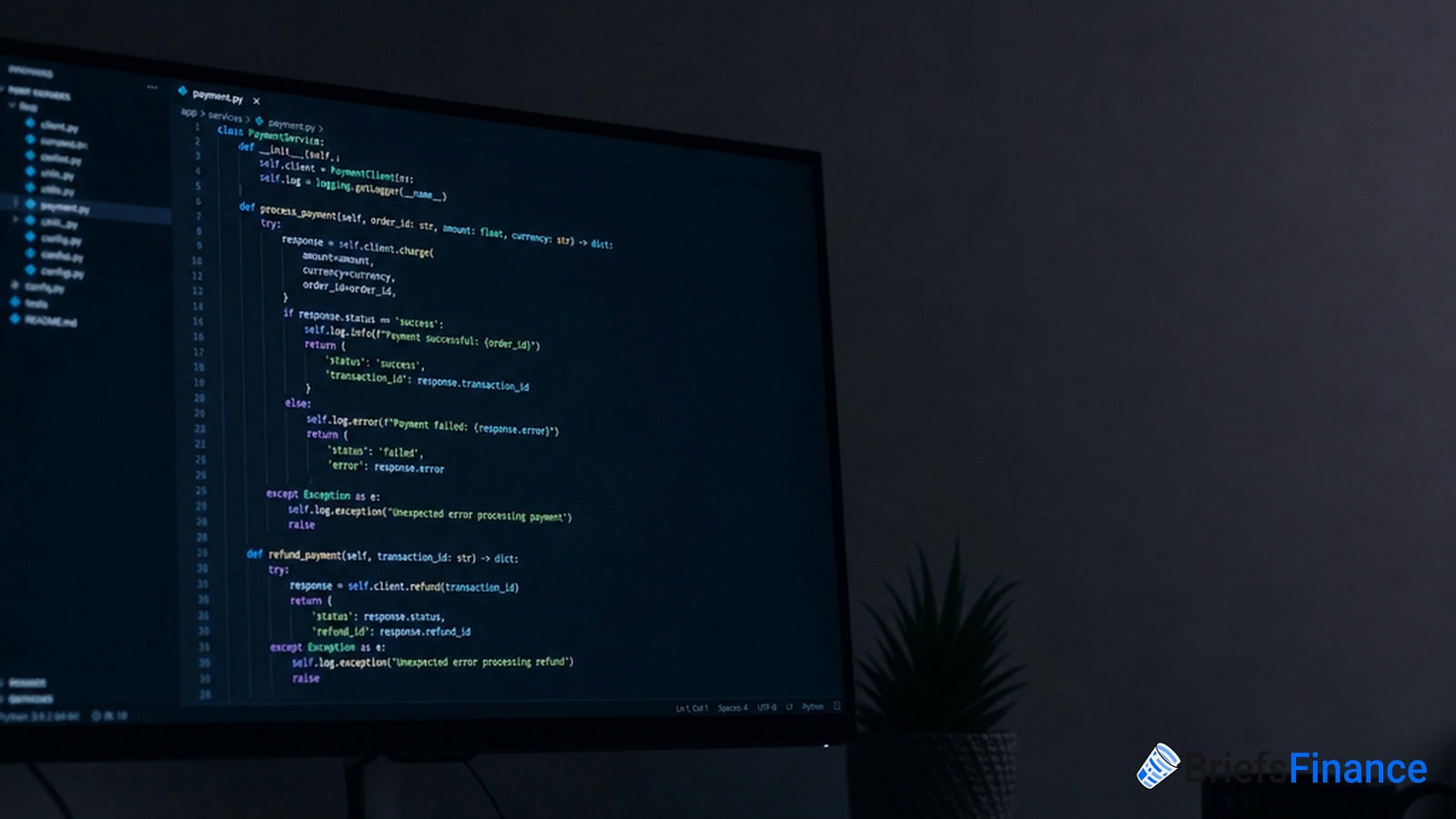
Cursor isn't being bought for its product alone - it's being bought for its data and the user base behind it.

The training data Cursor pulled from millions of developers writing code in its tools is the exact stuff Grok needs to close the gap. Musk has already posted on X that newer Grok versions improved after training on Cursor data, and this deal makes that pipeline permanent.

Cursor sees how real developers fix bugs, ship features, and rewrite code in real time. That's the kind of feedback loop you can't fake with fake data, and it's what every major AI lab has been racing to build.

What To Watch

SpaceX closed Monday at a $2.5 trillion valuation, sitting between Amazon and Meta. Its first move with that public-market firepower wasn't a satellite network or a Mars program.

It was an AI catch-up purchase - and probably not the last big check Musk writes this year.

With Grok still behind the pack, the IPO cash gives Musk room to keep spending his way back into the race.

Want this kind of breakdown delivered every weekday morning? Join 350,000+ investors reading Market Briefs - you also get a 45-minute investing course thrown in as a bonus.

Disclosure

Get Market Briefs delivered to your inbox every morning for free!

No fluff. No noise. No politics. Just finance news you can read in 5 minutes.

Blogs

June 16, 2026
Tech Stocks: A Simple Guide for New Investors
  • Tech stocks are companies in the information technology and related sectors, from software to chips to the internet giants.
  • They've driven much of the market's growth, but they can be volatile and richly valued.
  • The smart approach is to understand what you own and not let one sector run your whole portfolio.
Read More
June 16, 2026
What Is a Joint Stock Company? A Simple Guide
  • A joint stock company is a business owned by many people, each holding shares of stock that represent a slice of ownership.
  • It's the basic idea behind every public company you can buy on the stock market today.
  • Owning a share makes you a part-owner, entitled to a piece of the profits and growth.
Read More
June 16, 2026
Capital Gains Tax in California: A Simple Guide
  • Capital gains tax is what you owe when you sell an investment for more than you paid for it.
  • How long you held it matters: long-term gains are taxed more gently than short-term gains at the federal level.
  • Smart investors lower the bill with tools like tax-loss harvesting and holding for the long run.
Read More
June 15, 2026
Top Covered Call ETFs: How to Compare Them
  • Top covered call ETFs are income funds that own stocks and sell call options against them to generate steady cash.
  • The best one for you is the fund whose income, holdings, and fees fit your goals, not simply the one with the flashiest yield.
  • They all share one trade-off: more income today, less upside in a big rally.
Read More
June 15, 2026
What Are Stock Options? A Plain-English Guide
  • Stock options are contracts that give you the right, but not the obligation, to buy or sell a stock at a set price by a set date.
  • There are two kinds: calls (the right to buy) and puts (the right to sell).
  • Options can multiply gains or wipe out your money fast, so they suit investors who already know the basics.
Read More
June 15, 2026
EBITDA Margin: What It Is and How to Calculate It
  • EBITDA margin measures how much core profit a company keeps from each dollar of sales, before interest, taxes, and accounting deductions.
  • The formula is EBITDA divided by revenue, shown as a percent.
  • A higher, steadier EBITDA margin usually signals a more efficient, more durable business.
Read More
June 15, 2026
What Is Taxable Income? A Simple Guide for Investors
  • Taxable income is the portion of your money the government can tax after deductions are applied.
  • Not all income is taxed the same: job income, investment income, and passive income face different rates.
  • Investors and business owners get more tools to legally lower their taxable income, which is a big edge over time.
Read More
June 15, 2026
What Is a Covered Call? How the Strategy Works
  • A covered call is an options strategy where you own a stock and sell someone the right to buy it from you at a higher price.
  • You collect cash, called the premium, up front, and keep it no matter what happens.
  • The trade-off: if the stock soars, your shares get sold at the set price and you miss the extra upside.
Read More
June 15, 2026
What Is Gross Margin? A Simple Guide for Investors
  • Gross margin is the share of each sales dollar a company keeps after paying the direct cost of whatever it sold.
  • The formula is simple: revenue minus cost of goods sold, divided by revenue, shown as a percent.
  • A steady or rising gross margin points to pricing power, and it is one of the first things smart investors check.
Read More
June 15, 2026
What Is a Dividend? A Plain-English Guide for Investors
  • A dividend is a cash payment a company sends you just for owning its stock, usually every three months.
  • Dividends are one of two ways stocks pay you, the other being the share price going up.
  • Dividends are never guaranteed, so the strength of the business behind the payment matters more than the size of the payment.
Read More
1 2 3 23
Share via
Copy link










