- A core-satellite portfolio splits investments into stable core holdings and higher-risk satellite picks.
- The core is usually 60% of the portfolio, with satellites at 40%.
- It blends passive index investing with active opportunity bets.

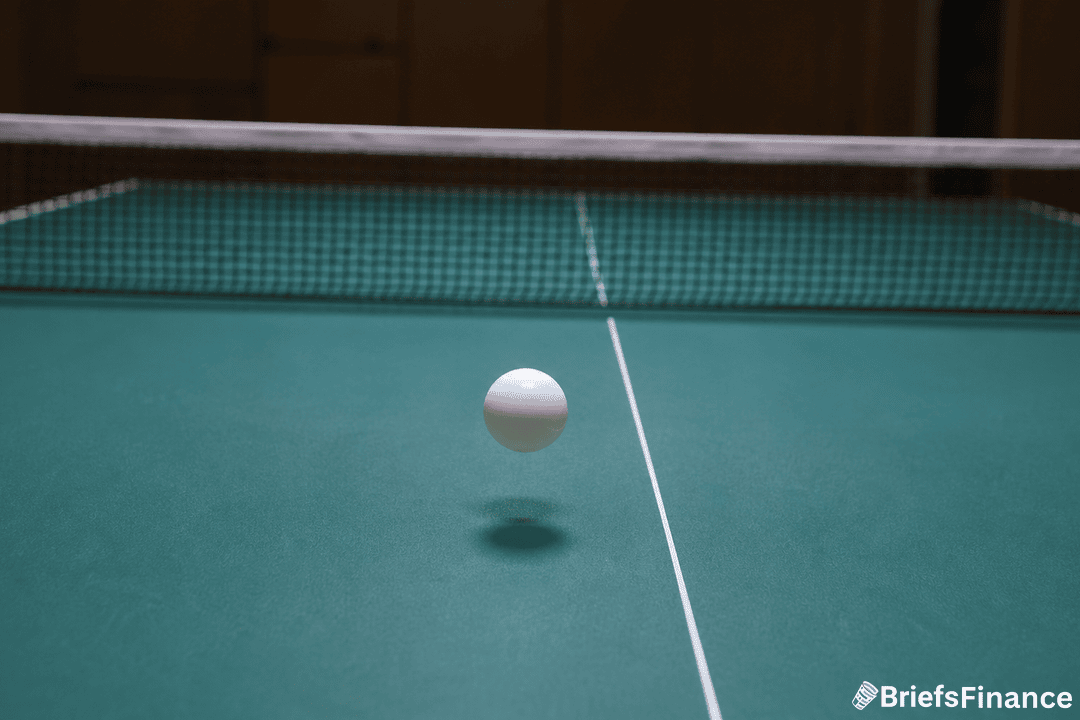
Sony just gave a fresh reason to be in awe of AI. Or to be a little worried.
The firm's AI ping pong robot is now beating top-level human players. That includes some of the best players in the world.
A demo video of the robot went viral online this week.
The Sony robot uses two main tools. The first is computer vision, which lets it track the ball's path in real time.
The second is predictive math, which lets the robot figure out where the ball will be next. Those two pieces combine into a very fast paddle.
The robot reads the shot, plans the return, and hits the ball. All within a few hundred milliseconds.
Ping pong is one of the toughest sports for a robot. The ball is small, fast, and spins in ways that bend its path.
Humans play ping pong by feel. They read body language, spin, and past shots to guess what is coming.
A robot has to copy all of that with sensors and math. That is why the Sony result is a big step up.
Sony is not really selling a ping pong robot. It is showing off the AI work that runs inside it.
The same vision and predictive tools can go into other products. Think robot arms in factories, self-driving cars, and household robots.
Ping pong is just the stage. The real story is how well the AI stack works under pressure.
Big tech firms have been pushing into robotics for years. Sony, Toyota, Boston Dynamics, and a few AI startups all work in the space.
Demos like this one help the whole group. Each new result raises the bar for what AI robotics can do.
And each one gets more people to take the space seriously.
AI is already priced into most big tech stocks. Robotics is not yet priced in the same way.
That is starting to change. Investors are starting to value robotics labs and parts makers at higher multiples.
Public names with robotics exposure include Sony, Nvidia, and a growing list of chip and sensor firms. Each new demo like this adds a little fuel to that trade.
Not everything about AI has to be tense. A robot that can beat a pro at ping pong is also just fun to watch.
The viral clips are pulling millions of views. Most viewers are not investors, and that is the point. These demos bring AI to a wider audience in a playful way.
That matters for how the whole AI story lands in the public square.
Sony has a history of turning demos into products. The ping pong robot may not ship as a toy, but its parts will show up in other gear.
Watch for new Sony robot arms, drones, and camera systems in the next year. Many of them will lean on the same AI stack the ping pong bot uses.
Top human players tend to take this news well. They see the robot as a practice tool, not a rival.
A robot that can play at top level gives pros a way to train at any time. That can lift the sport as a whole.
A ping pong robot will not change the market on its own. It is a slice of a bigger story about AI moving into the physical world.
That story is still early.
The next demo is always close behind.