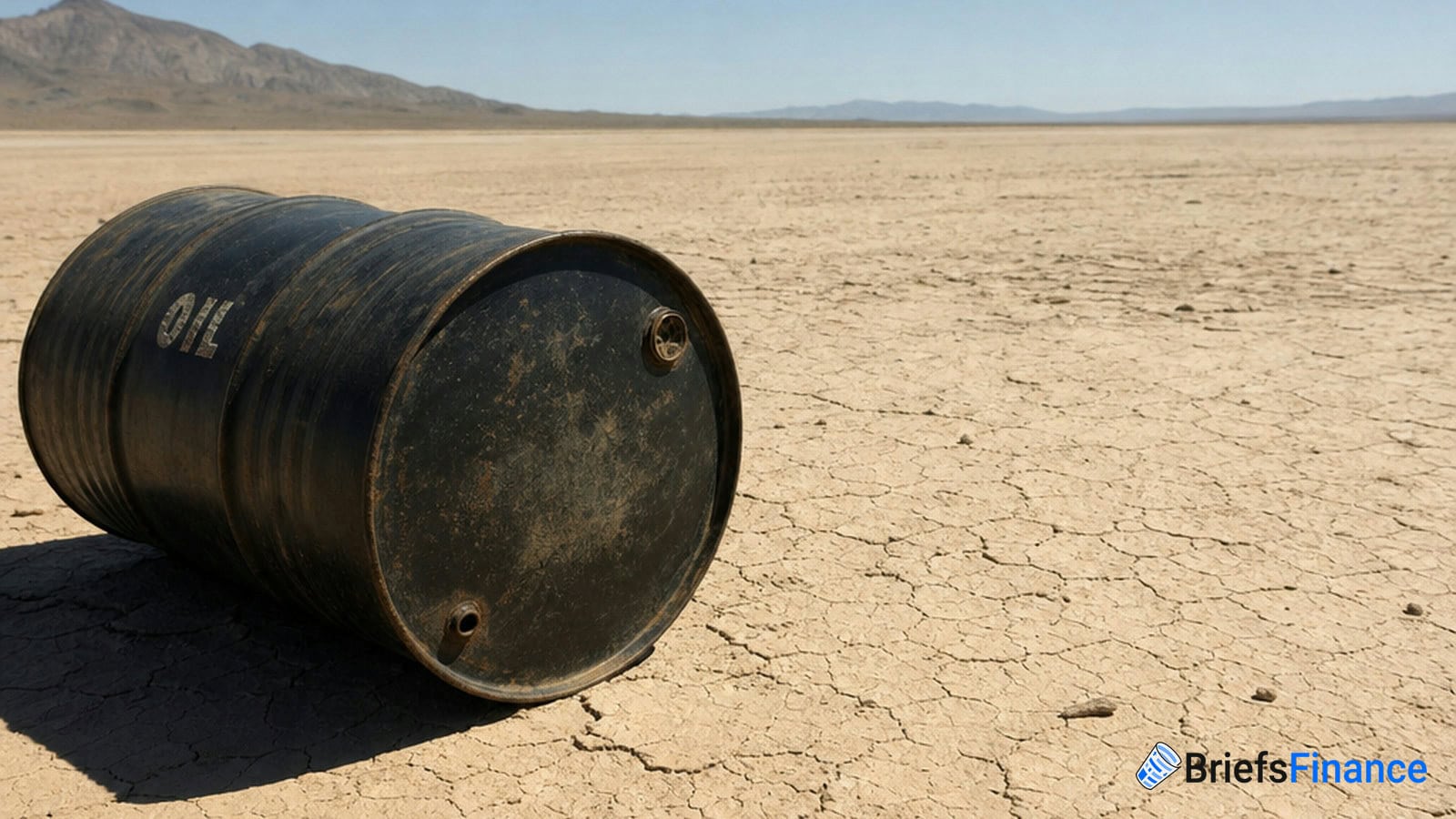
The U.S. and Iran just signed a peace deal, sending oil down more than 2% while gold climbed.
The split reaction tells you what investors expect from both supply and central banks heading into 2026.
The Peace Deal Took The War Premium Off Oil
For months, oil prices have carried a small extra charge for one reason: the risk that something in the Middle East could blow up supply.
That risk just got smaller, because the U.S.-Iran agreement means more Iranian barrels can return to the global market sooner than traders had penciled in.
Brent crude, the global benchmark, fell to its lowest price since early March, while WTI, the U.S. benchmark, dropped below $75 a barrel.
When supply is set to rise, prices tend to fall.
Stories like this one move markets in the moment, but the bigger trends take a while to play out. We unpack both every morning in Market Briefs - five minutes a day, with a free investing masterclass when you sign up.
The IEA Did More Damage Than The Headline
The bigger driver came from a report most headlines missed.
The International Energy Agency - the group that tracks global oil supply and demand - cut its outlook for how much oil the world will need in 2026.
Weaker demand on the way and more supply coming back hit on the same day, which is why oil didn't just dip, it slid.
The peace deal was the headline, but the IEA report was the bigger driver for anyone holding energy stocks.
Gold Went The Other Way
Gold rose in Asian trading and clawed back the losses from the day before, as two forces pulled in opposite directions.
The Federal Reserve has been sounding more hawkish - meaning it's in no rush to cut interest rates - and higher rates usually hurt gold.
But geopolitical worry has not gone away just because one deal got signed.
Investors buying gold here are betting that second force matters more than the first.
What To Watch
The real test for oil isn't this week - it's whether Iranian barrels actually show up in the market and how fast.
A signed deal and a working pipeline are not the same thing.
For gold, watch the Fed. If the next round of comments leans even more hawkish, the bid from geopolitical worry may not be enough to hold prices up.
If you want the kind of breakdown that separates the headline from the real story, join 350,000+ investors reading Market Briefs - you also get a 45-minute investing course thrown in.