The Iran war ended last weekend, but fertilizer prices didn't get the memo.
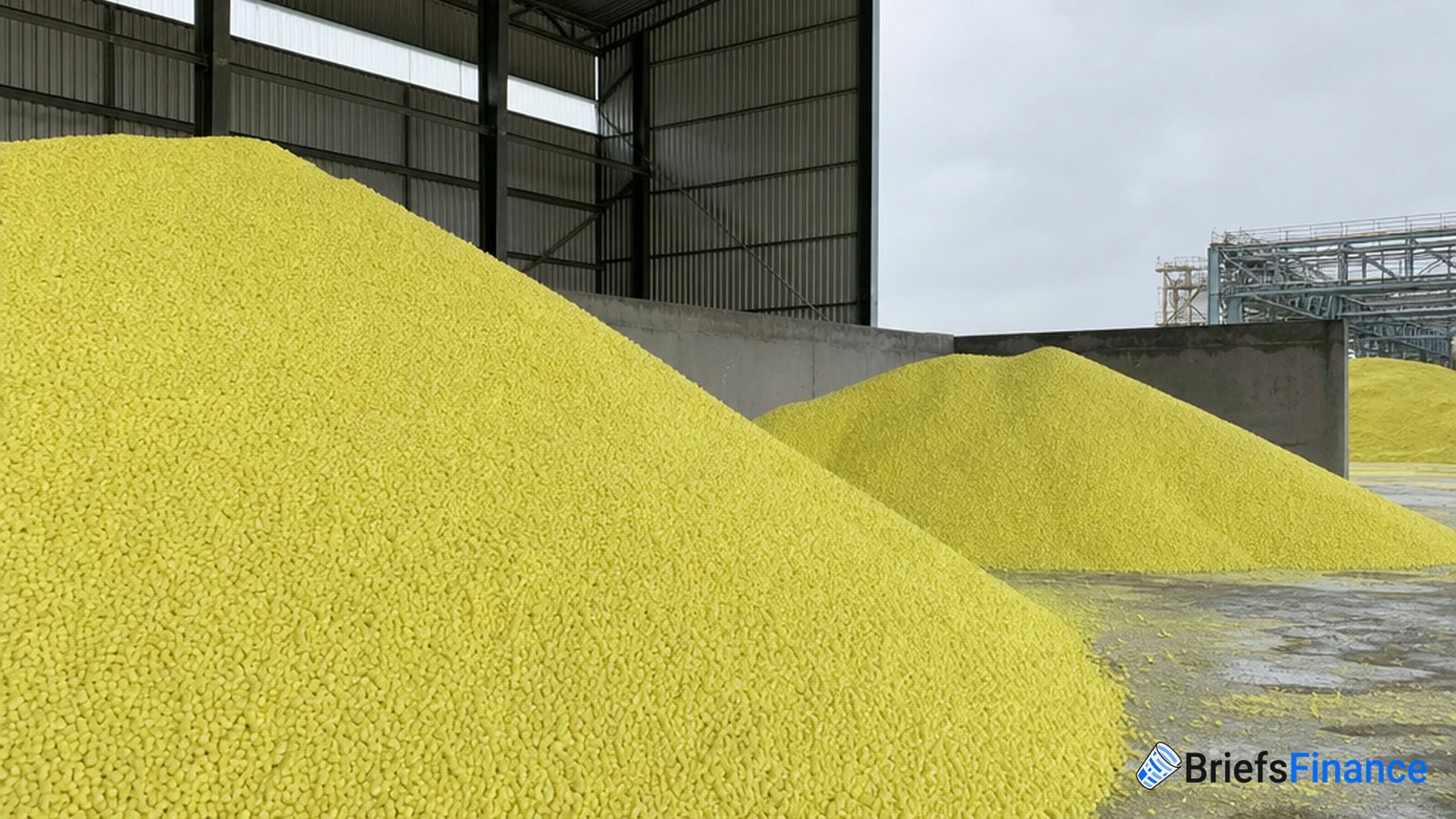
Mosaic, one of the world's largest fertilizer makers, just had a $258 million loss for its quarter that ended in March. The reason is one ingredient: sulfur.
Sulfur turns raw phosphate rock into a form crops can use. A large share of the world's tradable supply comes from oil and gas refining in the Gulf, and about a fifth of it moves through the Strait of Hormuz - a route that's been disrupted since the war began in March.
Sulfur Eats Half The Price Of Phosphorus
Mosaic sells phosphorus fertilizer for about $800 a ton. Sulfur alone now eats about half of that - before shipping, labor, or processing.
Normally a company facing rising costs just charges more. Mosaic can't.
Row crop farmers - the corn, soy, and wheat growers who buy most of Mosaic's product - are already having a bad year as crop prices fall and margins thin out.
That leaves no room to pass on another price hike. So Mosaic is shipping product at a loss and slowing work at some of its plants.
Mosaic shares are down roughly 18% this year as costs climbed and demand softened - a sharp turn from the gains producers saw on tight global supply in prior periods. [NEEDS MANUAL VERIFICATION: original article does not reference a 2024 phosphate price spike]
Every morning, Market Briefs breaks down the moves squeezing companies like this in five minutes flat - plus a free 45-minute investing course when you sign up.
Ceasefire Reopens Shipping, Not Infrastructure
The US and Iran reached an early deal Sunday to end the war that's hit the region since March. That's good news for shipping, less good news for fertilizer.
Shawn Arita, an ag economist at North Dakota State, expects the price spike to ease once the Strait of Hormuz reopens. But the premium - the part of the price that shows rebuilt infrastructure and broken supply chains - won't clear for years.
He calls it a 2028 story, not a 2027 one. Shipping routes can reopen in months, while the energy and fertilizer plants wrecked during the war take years to rebuild.
Saudi Arabia and the UAE together account for a large share of global sulfur exports, and energy and fertilizer infrastructure across the region was damaged during the conflict.
What To Watch
Nitrogen fertilizer is a different product from the phosphorus stuff Mosaic makes - and one that corn farmers will pay almost any price for because their yields fall apart without it.
Nitrogen makers like CF Industries and Nutrien have seen prices climb too, though their supply chains are less tied up in the Gulf.
That captive demand isn't going anywhere, which means whoever can keep producing through this supply shock has a customer base waiting on the other side. Farmers can delay equipment buys or skip land deals when times are tight, but skipping fertilizer means losing a crop.
The ceasefire ends the war. It doesn't end the fertilizer bill.
Want this kind of read on commodities, supply chains, and earnings every weekday morning? Join 350,000+ investors reading Market Briefs - it comes with a free investing masterclass to help you put it to work.