Free NewsletterPro Login

Kevin Warsh's Fed Chair Hearing Is Set for April 21. Powell Says the Fed Is "Well Positioned to Wait"

Published Apr 15, 2026
Share:
Summary:
  • The Senate Banking Committee will hold Kevin Warsh's confirmation hearing for Fed Chair on April 21 at 10 a.m. ET, with Powell's term ending May 15.
  • Warsh is worth at least $135 million, making him the wealthiest person ever nominated to lead the Fed, with stakes in SpaceX, Polymarket, and crypto projects.
  • Cleveland Fed President Beth Hammack said rates will "remain on hold for a good

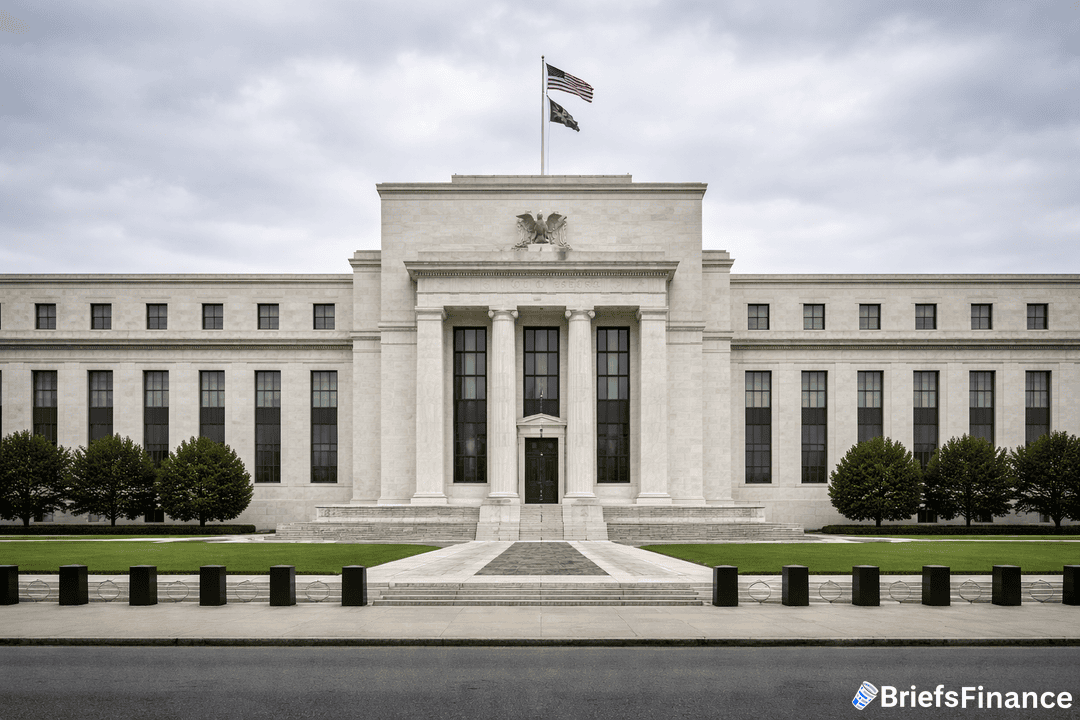
while," with risks running in both directions. The next Fed Chair has a hearing date, while the current one isn't budging on rates. The Senate Banking Committee confirmed that Kevin Warsh - Trump's pick to replace Jerome Powell - will sit for his confirmation hearing on April 21 at 10 a.m. Powell's term ends May 15, leaving a tight window for the Senate to act.

Warsh's Wealth Draws Pushback

Warsh is a former Fed governor and Morgan Stanley executive worth at least $135 million, according to new financial disclosures filed with the Office of Government Ethics. Combined assets with his wife, Jane Lauder, could top $192 million, making him the wealthiest nominee in the Fed's history.

Senator Elizabeth Warren said there should be "no hearing or vote" while Trump continues what she called an attempt to take over the Fed. The bigger threat: Republican Senator Thom Tillis has said he won't vote for any Fed Chair nominee unless the Justice Department drops its probe into Powell. With a thin committee majority, Republicans need his vote to move the nomination forward.

The Fed's Current Stance

Powell has said the Fed is "well positioned to wait" before changing rates, and Cleveland Fed President Beth Hammack backed that up on Tuesday by saying rates will "remain on hold for a good while." Hammack flagged energy prices as a key wildcard - high fuel costs could push inflation up and drag growth down at the same time. She noted the Fed has missed its 2% inflation target for five straight years.

What to Watch

The FOMC meets April 28-29 with no rate move expected. The bigger question is whether Warsh can get confirmed before Powell's term ends on May 15 - and whether Tillis follows through on blocking the vote.

Disclosure

Get Market Briefs delivered to your inbox every morning for free!

No fluff. No noise. No politics. Just finance news you can read in 5 minutes.

Blogs

June 16, 2026
Tech Stocks: A Simple Guide for New Investors
  • Tech stocks are companies in the information technology and related sectors, from software to chips to the internet giants.
  • They've driven much of the market's growth, but they can be volatile and richly valued.
  • The smart approach is to understand what you own and not let one sector run your whole portfolio.
Read More
June 16, 2026
What Is a Joint Stock Company? A Simple Guide
  • A joint stock company is a business owned by many people, each holding shares of stock that represent a slice of ownership.
  • It's the basic idea behind every public company you can buy on the stock market today.
  • Owning a share makes you a part-owner, entitled to a piece of the profits and growth.
Read More
June 16, 2026
Capital Gains Tax in California: A Simple Guide
  • Capital gains tax is what you owe when you sell an investment for more than you paid for it.
  • How long you held it matters: long-term gains are taxed more gently than short-term gains at the federal level.
  • Smart investors lower the bill with tools like tax-loss harvesting and holding for the long run.
Read More
June 15, 2026
Top Covered Call ETFs: How to Compare Them
  • Top covered call ETFs are income funds that own stocks and sell call options against them to generate steady cash.
  • The best one for you is the fund whose income, holdings, and fees fit your goals, not simply the one with the flashiest yield.
  • They all share one trade-off: more income today, less upside in a big rally.
Read More
June 15, 2026
What Are Stock Options? A Plain-English Guide
  • Stock options are contracts that give you the right, but not the obligation, to buy or sell a stock at a set price by a set date.
  • There are two kinds: calls (the right to buy) and puts (the right to sell).
  • Options can multiply gains or wipe out your money fast, so they suit investors who already know the basics.
Read More
June 15, 2026
EBITDA Margin: What It Is and How to Calculate It
  • EBITDA margin measures how much core profit a company keeps from each dollar of sales, before interest, taxes, and accounting deductions.
  • The formula is EBITDA divided by revenue, shown as a percent.
  • A higher, steadier EBITDA margin usually signals a more efficient, more durable business.
Read More
June 15, 2026
What Is Taxable Income? A Simple Guide for Investors
  • Taxable income is the portion of your money the government can tax after deductions are applied.
  • Not all income is taxed the same: job income, investment income, and passive income face different rates.
  • Investors and business owners get more tools to legally lower their taxable income, which is a big edge over time.
Read More
June 15, 2026
What Is a Covered Call? How the Strategy Works
  • A covered call is an options strategy where you own a stock and sell someone the right to buy it from you at a higher price.
  • You collect cash, called the premium, up front, and keep it no matter what happens.
  • The trade-off: if the stock soars, your shares get sold at the set price and you miss the extra upside.
Read More
June 15, 2026
What Is Gross Margin? A Simple Guide for Investors
  • Gross margin is the share of each sales dollar a company keeps after paying the direct cost of whatever it sold.
  • The formula is simple: revenue minus cost of goods sold, divided by revenue, shown as a percent.
  • A steady or rising gross margin points to pricing power, and it is one of the first things smart investors check.
Read More
June 15, 2026
What Is a Dividend? A Plain-English Guide for Investors
  • A dividend is a cash payment a company sends you just for owning its stock, usually every three months.
  • Dividends are one of two ways stocks pay you, the other being the share price going up.
  • Dividends are never guaranteed, so the strength of the business behind the payment matters more than the size of the payment.
Read More
1 2 3 23
Share via
Copy link










