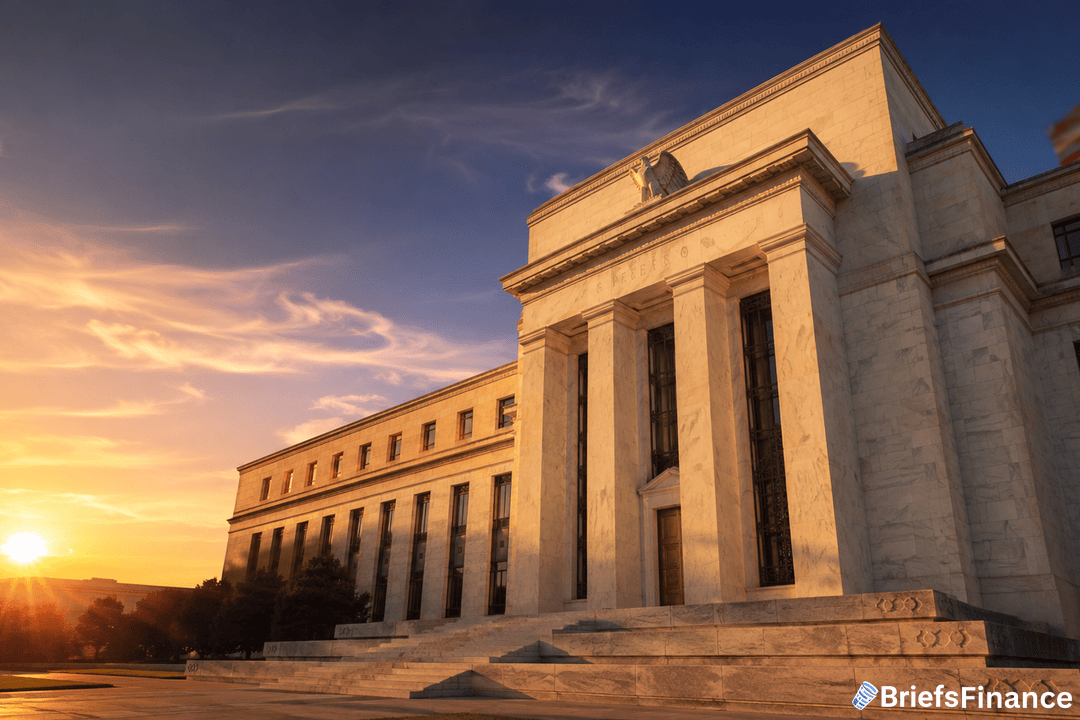
Trump finally has his Fed chair. The catch: the bond market doesn't think it will change anything about rates anytime soon.
Kevin Warsh got sworn in at the White House on Friday morning, taking over from Jerome Powell after eight years at the top of the Fed. Powell isn't going anywhere, though - he's staying on as a Fed governor, the first former chair to do that in nearly 80 years.
A Fed Chair With Two Promises That Don't Usually Go Together
Warsh told the room something Wall Street has been chasing for years. He said he can tame inflation and cut rates at the same time.
That's a goal Powell didn't reach across his eight-year run. Inflation has run above the Fed's 2% target every year since 2021, and Trump spent most of that time slamming Powell for not slashing rates faster.
Now Warsh has to thread that needle while the U.S.-Iran war pushes oil and fuel costs higher. It's a setup no recent Fed chair has been able to navigate.
Markets aren't budging on rates either. Traders are betting the Fed holds steady through most or all of 2026, with some pricing in hikes - not cuts - in early 2027.
If you want a five-minute morning read on what's actually moving markets, join Market Briefs - you also get a free 45-minute investing masterclass when you sign up.
The White House Ceremony Was The Real Headline
The swearing-in was held in the East Room, where Justice Clarence Thomas delivered the oath in front of Justice Brett Kavanaugh, House Speaker Mike Johnson and a long list of Cabinet officials.
That's not how this usually goes. The last Fed chair sworn in at the White House was Alan Greenspan in 1987, and the choice of venue this time has spooked plenty of economists.
The catch: The Fed is supposed to feel independent from the White House, even if the chair is picked by the president. Trump told the room he wanted Warsh "to be totally independent," then hosted the ceremony at his own house.
Investors will watch closely for any sign the new chair leans toward what the boss wants over what the data says.
What To Watch
Warsh spent the past few years at Stanley Druckenmiller's family office and as a lecturer at Stanford and the Hoover Institution. He's also been a longtime critic of the Fed's reach, calling things like climate work and inequality programs mission creep he plans to cut.
He emerged from a race that began in the summer of 2025 with as many as 11 candidates, including current and former Fed officials, top economists and Wall Street strategists.
The first real signal won't come from his speeches. It'll come at the next Fed meeting - if Warsh leans toward cuts while inflation is still high, Treasury yields will spike fast.
Powell tried to cut rates AND tame inflation for eight years. He didn't quite pull it off.
Sign up for Market Briefs for daily reads on what these moves actually mean for your portfolio - plus a free 45-minute investing course thrown in as a welcome bonus.