Pro Login

Kalshi And Polymarket Just Moved Into Coinbase's Backyard

Published Apr 21, 2026
Share:
Summary:
  • Polymarket launched crypto and stock perpetual futures trading Tuesday.
  • Kalshi launches its own crypto perpetuals April 27 in New York, under the codename "Timeless".
  • Both platforms are already running over $1 billion a month in crypto trading volumes.

Coinbase has spent a decade telling regulators it's the grown-up crypto exchange. Two prediction-market startups just showed up to the same party.

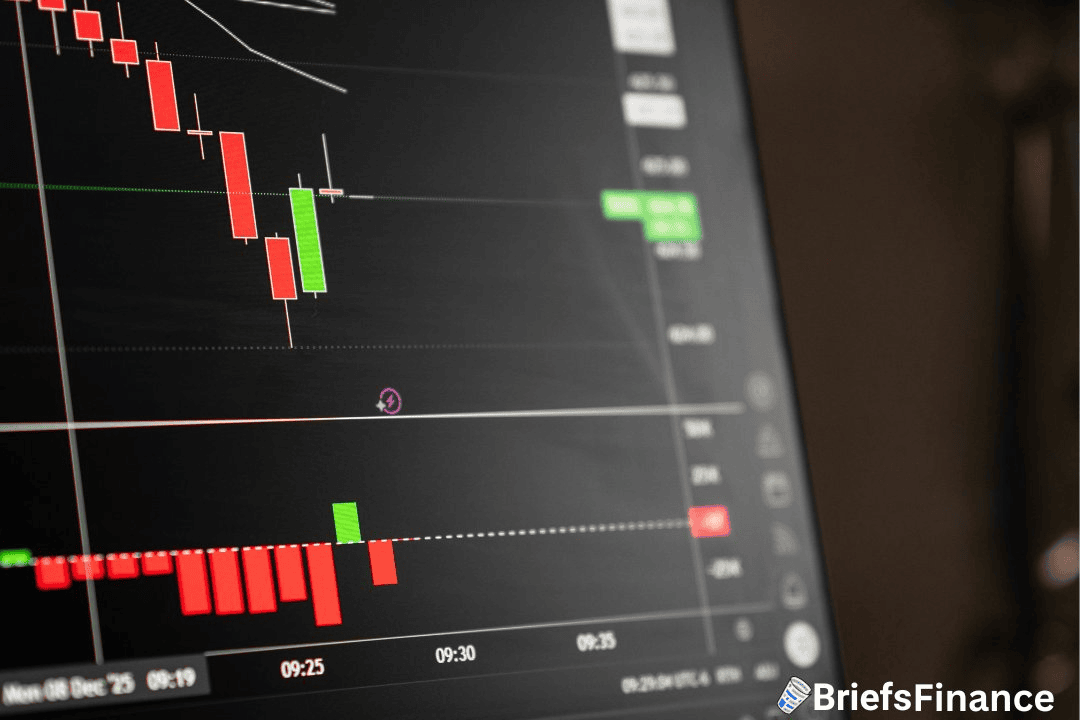
Polymarket launched perpetual futures trading for crypto and stocks on Tuesday. Kalshi follows on April 27 in New York, with a product it's been teasing under the name "Timeless." Both platforms are now in direct competition with Coinbase, Robinhood, Crypto.com, and Gemini on one of the most profitable products in the industry.

What Perpetual Futures Actually Are

A perpetual future is a contract tied to the price of an asset, usually with leverage on top, that never expires. You can hold it as long as you've got the collateral to keep it open.

Most US crypto traders couldn't touch these until recently. Regulation kept them offshore on platforms like Binance and Bybit. That changed as prediction markets moved from "regulated by the CFTC for political betting" to "regulated by the CFTC for anything you can write a contract around."

Kalshi already runs over $1 billion in monthly crypto volume as of March. Polymarket has hit $1 billion a week in notional. The demand is there. The rails are now legal.

Why This Rattles Coinbase

Coinbase's trading revenue has been soft. Retail crypto volumes are down from their 2024 highs. Perps, where traders pay fees on leverage, have been the exception.

Now Coinbase shares that fee pool with Kalshi and Polymarket. Worse, Kalshi and Polymarket have something Coinbase doesn't: cross-over retail users who came in for election betting or sports contracts and are being pitched crypto as the next product on the same app.

It's the financial equivalent of your favorite sandwich shop opening a second counter that serves sushi.

How They Got Here Legally

The CFTC is the federal regulator that oversees derivatives, which is the contract family perpetual futures live in. Kalshi built its business inside that framework from day one by winning a long court fight over election-betting contracts.

That ruling cleared the path. Once a court said Kalshi's political contracts were legal CFTC products, the door opened for any event-based contract the exchange wanted to write. Polymarket, which had been offshore for US users, used the same legal opening to re-enter the US market through a regulated entity.

What regulators are watching next is leverage. Perps with high leverage and a retail user base have been the exact product the CFTC has flagged in past enforcement actions. Kalshi and Polymarket are launching inside those guardrails for now, but the line is narrow.

The other piece regulators are watching is cross-market flow. A trader who comes in on a sports contract and ends up in a leveraged crypto perp is exactly the kind of user pattern that raises suitability questions, which is why both platforms are publishing risk disclosures louder than the exchange norm.

Worth Noting

Robinhood has been quietly building out its own derivatives offering. Gemini has its own perps push. Crypto.com is already there.

The quiet winner might be crypto liquidity providers. More venues means more volume, more spread capture, and more hedging flow. That's where the money lives when five exchanges are fighting for the same trader.

Crypto trading just stopped being a three-exchange sport.

Disclosure

Get Market Briefs delivered to your inbox every morning for free!

No fluff. No noise. No politics. Just finance news you can read in 5 minutes.

Blogs

April 15, 2026
What Is a Put Option? A Simple Guide for Investors
  • A put option is a contract that gives you the right to sell a stock at a set price before a set date.
  • Investors use put options to protect their portfolio against losses or to profit when they think a stock will drop.
  • The most you can lose when buying a put option is the premium you paid for the contract.
Read More
April 13, 2026
What Is Free Cash Flow? How To Find It & Why It's Important
  • Free cash flow is the cash a company has left after paying its bills and putting money back into the business.
  • Investors use free cash flow to figure out what a company is really worth - and if the stock is a good deal.
  • You can find free cash flow on a company's cash flow report, one of three key reports every public company files.
Read More
April 13, 2026
Non Taxable Income: What It Is and Why Investors Care

Non taxable income is money you earn that the IRS does not tax - like Roth IRA cash, muni bond interest, and certain investment gains. The U.S. tax code taxes workers, investors, and business owners at very different rates. Tools like Roth accounts, muni bonds, and real estate write-offs can help you keep more of what you earn.

Read More
April 11, 2026
Nasdaq Index Fund: A Beginner's Guide to Investing in the Nasdaq 100
  • A Nasdaq index fund lets you invest in the 100 biggest non-bank companies on the stock market all at once.
  • You can access the Nasdaq through index funds, mutual funds, or ETFs like QQQ - each with its own fees, trading rules, and style.
  • Picking the right Nasdaq index fund comes down to three things: who runs it, what is in it, and what it costs.
Read More
April 11, 2026
What Is Wealth? It's Not What Most People Think
  • Wealth is about owning assets that grow and pay you - not just earning a high salary.
  • In a capitalist system, there are two ways to get paid: from your labor and from your capital.
  • Building wealth takes a shift in mindset, a money system, and the habit of investing before you spend.
Read More
April 10, 2026
Micron Stock: The AI Memory Play Most Investors Are Missing
  • Micron (MU) is the only U.S. company that makes HBM chips - the short-term memory layer that AI systems need to run.
  • By early 2026, data centers were using about 70% of all memory chips made in the world, creating an 18-month backlog for new orders.
  • Micron's DRAM - or short-term memory chip - revenue jumped 69% year over year, and the company shifted away from consumer products to focus almost entirely on AI.
Read More
April 10, 2026
What Is Working Capital? What Investors Need To Know
  • Working capital is current assets minus current liabilities - it shows if a business can pay its short-term bills.
  • You find it on a company's balance sheet inside its 10-K report.
  • Changes in working capital show up on the cash flow statement and affect how much cash a business really makes.
Read More
April 9, 2026
What Is a Meme Stock? A Simple Guide for New Investors

You've probably heard the term "meme stock" thrown around on […]

Read More
April 9, 2026
Enterprise Value Formula: What It Is and How to Calculate It
  • Enterprise value (EV) shows what a company is really worth - debt and cash included - not just its stock price
  • The enterprise value formula is: Market Cap + Total Debt - Cash and Cash Equivalents
  • Investors use EV with metrics like EBITDA to compare stocks more fairly than market cap alone
Read More
April 8, 2026
Return on Equity: What It Is and How to Use It
  • Return on equity (ROE) measures how much profit a company earns for every dollar of shareholder equity
  • The formula is simple: net income divided by shareholder equity
  • A higher ROE can signal a company that is good at turning investor money into profit - but it is not the full picture
Read More
1 2 3 17
Share via
Copy link