Pro Login

JD Vance Says the U.S. Made "A Lot of Progress" in Iran Talks. Pakistan Is Setting Up Round Two

Published Apr 14, 2026
Share:
Summary:
  • Vice President JD Vance said the U.S. made "a lot of progress" in peace talks with Iran, though no deal was reached.
  • Pakistan is working to host a second round of talks in Islamabad before the April 21 ceasefire deadline.
  • Iran offered to pause uranium enrichment for five years, but the U.S. pushed for 20 years and rejected the offer.

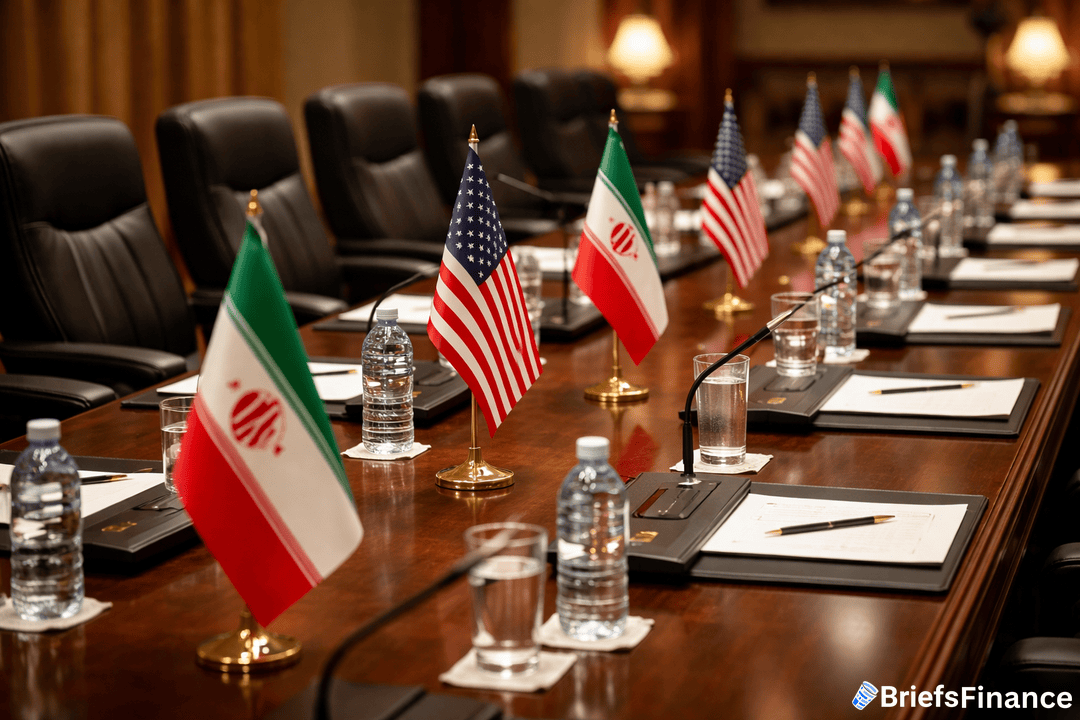
The first round of peace talks between the U.S. and Iran didn't end with a deal. But they got closer than most people think. Vice President JD Vance told Fox News on Monday that Iran "moved in our direction" during talks in Pakistan last week. The big issue was nuclear. Iran put an offer on the table to freeze its uranium work for five years. The U.S. said that wasn't long enough. It pushed for a 20-year pause instead. That gap killed the first round. But it didn't kill the talks.

Pakistan Pushes for Round Two

The talks broke down last week. But Pakistan isn't letting them stay dead. Senior sources in the country say it's working to bring both sides back to the table in its capital city before the ceasefire runs out on April 21. A diplomat from one of the nations helping to broker the deal went further. He said both Tehran and Washington have already said yes to a second round. The place hasn't been picked yet. But the fact that both sides want to meet again is a big deal. Vance said the first round helped the U.S. learn how Iran's leaders make choices. "We decided that given we don't think this current team and this current timeline is going to be able to make a deal, let them go back to Tehran," he said. What that means: The U.S. is betting that letting Iran's team go home and regroup will lead to a better offer next time. It's a gamble. But Vance sounded sure about it.

What's on the Table

The core fight is over how long Iran will agree to halt its nuclear work. Five years is too short for the U.S. Twenty years is too long for Iran. The final number will likely land somewhere in between. There are other issues too. The U.S. wants the Strait of Hormuz fully open to all ships. Iran wants some of the war-time sanctions lifted. And both sides want some kind of security pledge from the other. In plain terms: Think of it like a trade deal. Each side has a list of things it wants. The trick is finding the mix where both sides feel like they got enough to say yes.

Why Markets Jumped

Oil fell nearly 7% on Tuesday as traders bet that a deal is on the way. U.S. crude dropped to about $92 a barrel. Brent dipped below $98. Just a day before, Brent had spiked past $103 when the U.S. said it was blocking Iranian ports. The market is pricing in peace. If a second round of talks comes together fast and works, oil could keep falling. That would take heat off prices, consumer spending, and corporate profits all at once. Vance put the ball "very much in Iran's court." He warned that if Tehran doesn't show progress on opening the Strait, the terms could shift against it.

What to Watch

The ceasefire runs out on April 21. That gives both sides about a week to get back to the table. If no meeting takes place before then, the blockade and tensions could ramp right back up - and so could oil prices. For now, the market is betting on hope. But hope has an end date.

Disclosure

Get Market Briefs delivered to your inbox every morning for free!

No fluff. No noise. No politics. Just finance news you can read in 5 minutes.

Blogs

April 13, 2026
What Is Free Cash Flow? How To Find It & Why It's Important
  • Free cash flow is the cash a company has left after paying its bills and putting money back into the business.
  • Investors use free cash flow to figure out what a company is really worth - and if the stock is a good deal.
  • You can find free cash flow on a company's cash flow report, one of three key reports every public company files.
Read More
April 13, 2026
Non Taxable Income: What It Is and Why Investors Care

Non taxable income is money you earn that the IRS does not tax - like Roth IRA cash, muni bond interest, and certain investment gains. The U.S. tax code taxes workers, investors, and business owners at very different rates. Tools like Roth accounts, muni bonds, and real estate write-offs can help you keep more of what you earn.

Read More
April 11, 2026
Nasdaq Index Fund: A Beginner's Guide to Investing in the Nasdaq 100
  • A Nasdaq index fund lets you invest in the 100 biggest non-bank companies on the stock market all at once.
  • You can access the Nasdaq through index funds, mutual funds, or ETFs like QQQ - each with its own fees, trading rules, and style.
  • Picking the right Nasdaq index fund comes down to three things: who runs it, what is in it, and what it costs.
Read More
April 11, 2026
What Is Wealth? It's Not What Most People Think
  • Wealth is about owning assets that grow and pay you - not just earning a high salary.
  • In a capitalist system, there are two ways to get paid: from your labor and from your capital.
  • Building wealth takes a shift in mindset, a money system, and the habit of investing before you spend.
Read More
April 10, 2026
Micron Stock: The AI Memory Play Most Investors Are Missing
  • Micron (MU) is the only U.S. company that makes HBM chips - the short-term memory layer that AI systems need to run.
  • By early 2026, data centers were using about 70% of all memory chips made in the world, creating an 18-month backlog for new orders.
  • Micron's DRAM - or short-term memory chip - revenue jumped 69% year over year, and the company shifted away from consumer products to focus almost entirely on AI.
Read More
April 10, 2026
What Is Working Capital? What Investors Need To Know
  • Working capital is current assets minus current liabilities - it shows if a business can pay its short-term bills.
  • You find it on a company's balance sheet inside its 10-K report.
  • Changes in working capital show up on the cash flow statement and affect how much cash a business really makes.
Read More
April 9, 2026
What Is a Meme Stock? A Simple Guide for New Investors

You've probably heard the term "meme stock" thrown around on […]

Read More
April 9, 2026
Enterprise Value Formula: What It Is and How to Calculate It
  • Enterprise value (EV) shows what a company is really worth - debt and cash included - not just its stock price
  • The enterprise value formula is: Market Cap + Total Debt - Cash and Cash Equivalents
  • Investors use EV with metrics like EBITDA to compare stocks more fairly than market cap alone
Read More
April 8, 2026
Return on Equity: What It Is and How to Use It
  • Return on equity (ROE) measures how much profit a company earns for every dollar of shareholder equity
  • The formula is simple: net income divided by shareholder equity
  • A higher ROE can signal a company that is good at turning investor money into profit - but it is not the full picture
Read More
April 4, 2026
Personal Finance Books That Actually Teach You to Build Wealth

Most investors grow up hearing the same financial advice. Study […]

Read More
1 2 3 17
Share via
Copy link