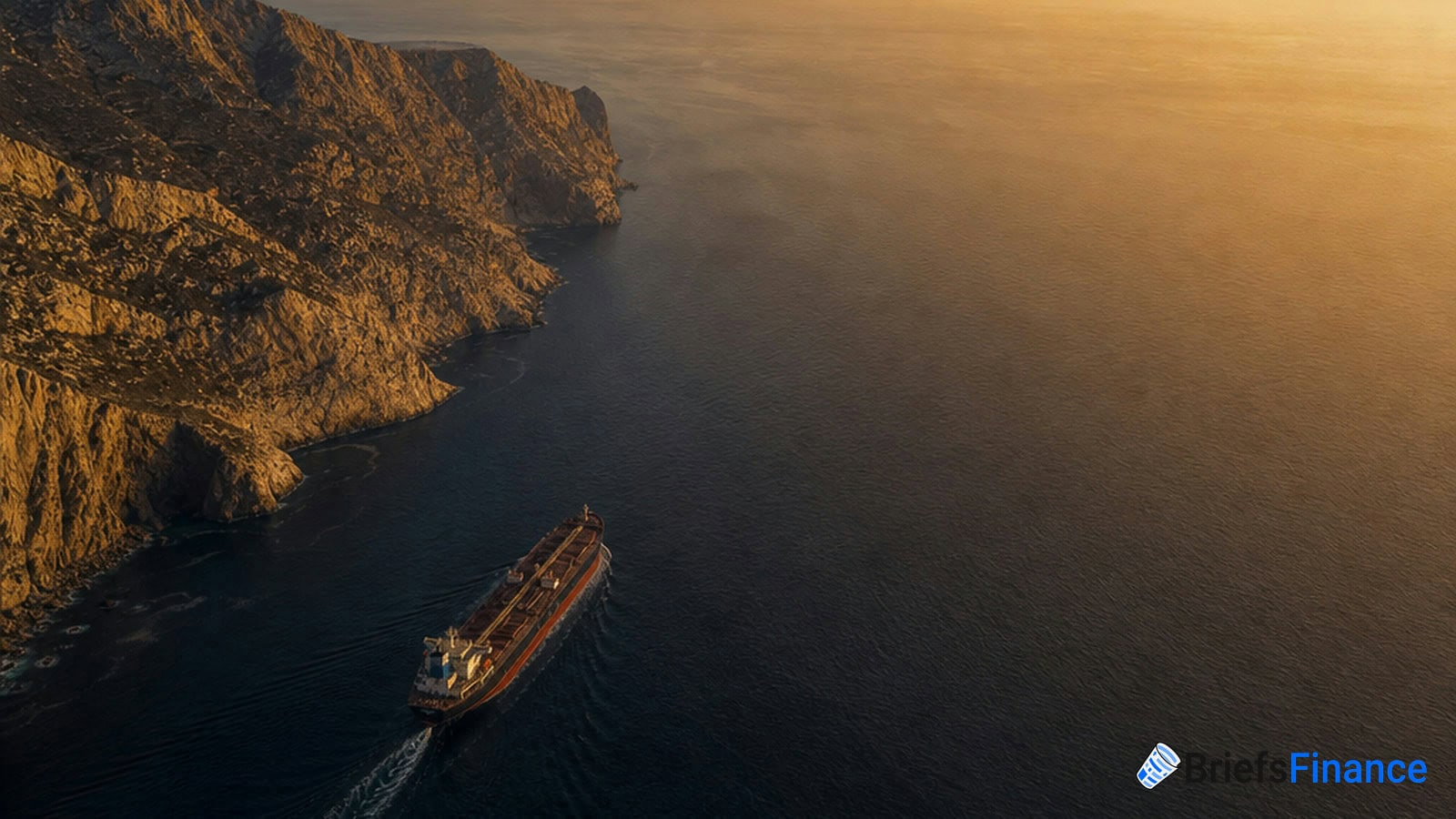
Iran says a deal is on the table. Washington hasn't said the same.
And the world's most important oil chokepoint sits between them.
State TV in Tehran reported a draft deal with the U.S. that would reopen shipping through the Strait of Hormuz and end the naval blockade, while U.S. officials have not confirmed the draft.
What Iran Is Claiming
The report came from Iran's state broadcaster - not the U.S. side. One-sided claims from Tehran have a history of running ahead of what's actually been agreed.
The terms, as described: Iran would restore commercial shipping through Hormuz to pre-war levels within a month, while the U.S. would pull military forces back from Iran's vicinity and lift its naval blockade.
What's missing is any sign from Washington that the same draft sits on its desk. Secretary of State Marco Rubio said this week a peace deal remained within reach and that Hormuz would be reopened "one way or the other" - but stopped short of confirming Iran's draft.
We break down what moves like this actually mean for oil and your portfolio every morning in Market Briefs - five minutes a day, plus a free investing masterclass when you sign up.
Why Hormuz Is The Whole Game
The Strait of Hormuz is the narrow waterway between Iran and Oman, and roughly a fifth of the world's oil passes through it every day - around 20 million barrels.
There's no real backup route. Pipelines can carry a small slice of that volume, but the rest has to move by tanker.
And every tanker has to thread through a channel that's about 21 miles wide at its narrowest point.
When ships can't move through Hormuz, oil prices move - and when they can, the fear premium baked into every barrel starts to come out.
The Market Read
Oil traders have spent weeks pricing in disruption. A confirmed deal would flip that trade hard, pulling out the risk premium that's been pushing prices higher.
But the trade only flips if the U.S. confirms. Until then, the market is pricing the gap between Iran's words and Washington's silence on the draft itself.
What To Watch
The next move belongs to Washington. A statement confirming the draft sends oil one direction, while a denial sends it the other.
Silence keeps the risk premium right where it sits.
Join 350,000+ investors reading Market Briefs for the daily read on stories like this - you also get a 45-minute investing course as a bonus.