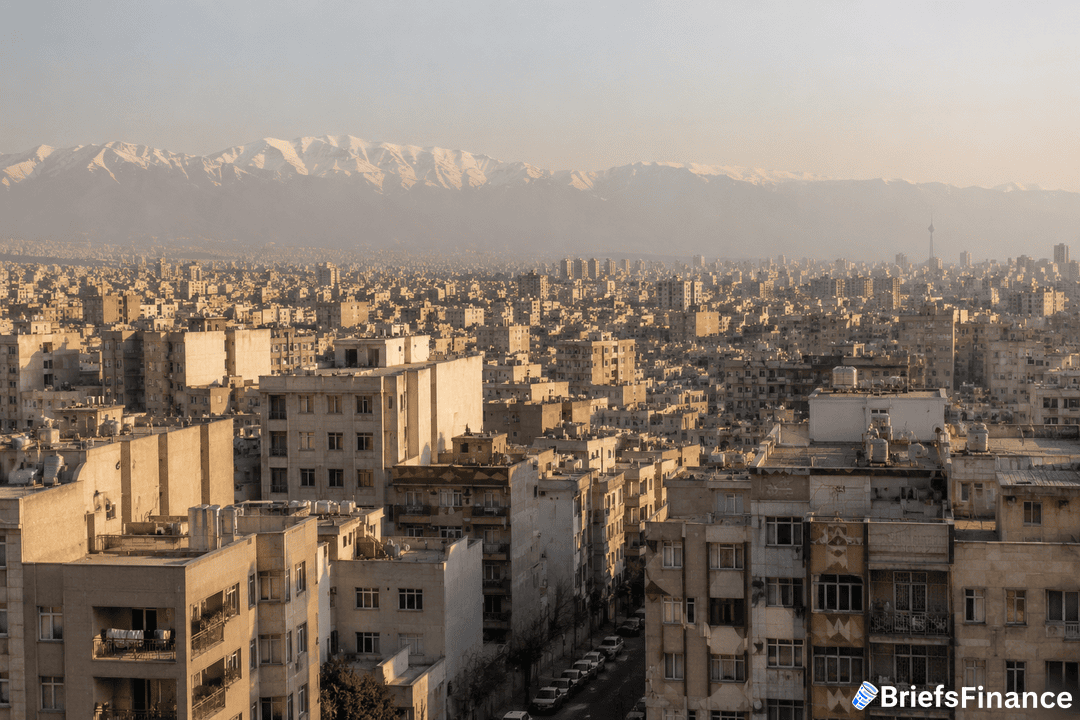
Iran tried to protect renters with a 25% cap on yearly rent hikes. Landlords just turned it into a floor.
Rents in Tehran are now 30 to 40% higher than last year, and the cap is just a number landlords cite before raising prices anyway.
What Renters Are Paying
Mohammad, a 29-year-old ride-share driver in west Tehran, just renewed his lease. His rent jumped from 130 million rials ($73) to 230 million rials ($130).
His deposit stayed at 5 billion rials ($2,800).
Iran's monthly minimum wage is about $90. With aid, it can stretch to about $120.
The poverty line sits at about 700 million rials ($400) per family each month. That is below what most Tehran families need just to cover rent and food.
The math does not work for most renters. So they take housemates, move back in with parents, or head to the suburbs.
Mohammad said he was glad to renew. Smaller, older homes were the only cheaper choice.
Every morning, Market Briefs breaks down what global shocks mean for your money. In five minutes, plus a free investing masterclass when you join.
Why It Is Getting Worse
Yearly price growth hit 73% in the first month of the Persian calendar, which ended April 20. Most think it has gone up since.
The US-Israel air strikes are still working through the economy.
The Statistical Center of Iran logged a 31% jump in rents over the same month. Tehran is running 30 to 40% higher, per local realtor reports.
Trump said Monday he held off a planned strike at the request of Gulf allies. He warned a deal still needs to happen.
President Masoud Pezeshkian put it bluntly. "We fight, but we have problems. We will certainly have more inflation."
Iran's housing market is stuck. The war is not on, but it is not over.
Builders have halted projects, and realtors are signing fewer deals because no one knows what next month looks like.
Build costs are rising too. Some builders say they will wait to see if the war ends.
What To Watch
The Supreme National Security Council let leases that ran out during the war auto-extend for up to two months, and the same package added deposit loans of up to 3.65 billion rials ($2,050) in Tehran.
Both forms of relief are far smaller than most renters actually need.
Some homes were hit during the war. Those tenants can get a hotel and added deposit help.
But rent does not always get cancelled if a home was hit. Tenants are urged to take damage claims to a special panel set up to settle them.
Iran's renters are paying war prices in a ceasefire. They will keep paying as long as prices run ahead of wages.
The math is grim. Pay raises move slowly. Rent and food do not.
Watch what oil and the ceasefire do next. Both will set the next leg for rents.
If the truce holds, rents may level off. If not, the squeeze keeps tightening.
Sign up for Market Briefs and get the daily newsletter plus a 45-minute investing course thrown in as a bonus.