- A core-satellite portfolio splits investments into stable core holdings and higher-risk satellite picks.
- The core is usually 60% of the portfolio, with satellites at 40%.
- It blends passive index investing with active opportunity bets.

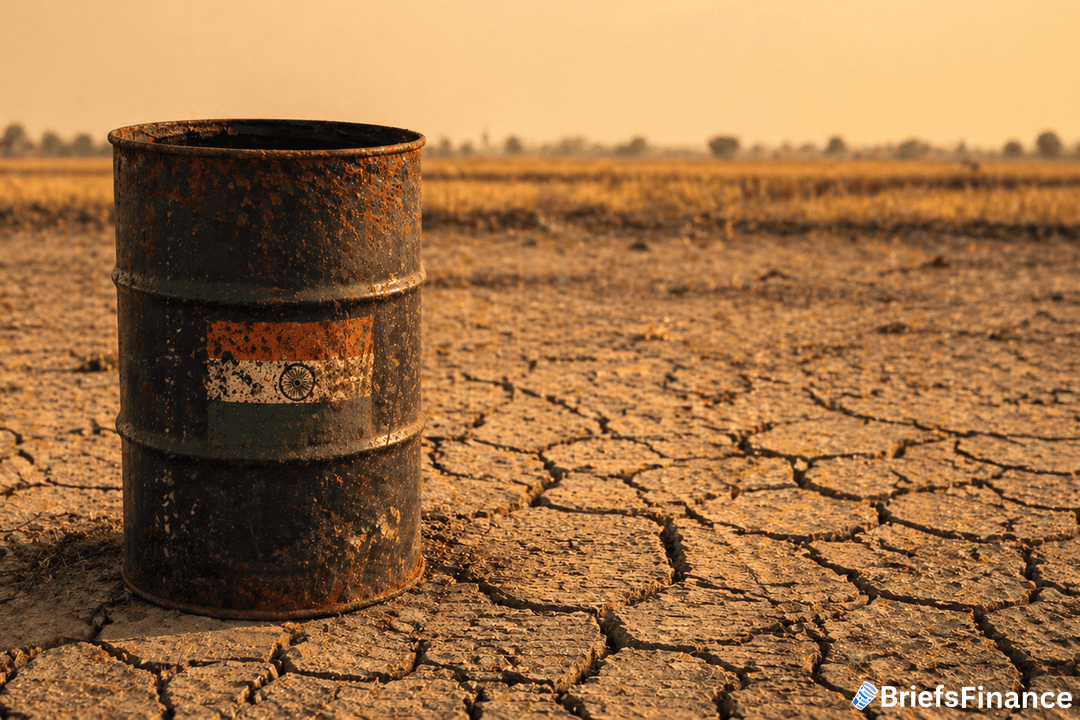
India is the world's fastest-growing big economy. But it buys most of its oil from other places, and that bill just shot up.
The Finance Ministry warned this week that the Iran war is pulling down demand. The Reserve Bank of India had already cut its growth call earlier this month. It also held its rate at 5.25%.
India is getting hit on two sides at once.
The war is keeping oil above $100 a barrel. About 20% of the world's oil flows through the Strait of Hormuz. Shipping there has slowed since the strikes began on February 28.
Northern India is also baking at 47°C. The government now sees a weak monsoon coming. Food makes up 37% of the price index, so a weak harvest would push the whole index up.
The catch: Bloomberg sees prices at 5.8% this year if the rains miss. That tops the RBI's 4.6% call by a lot.
The RBI was widely expected to keep cutting rates this year. That call now looks shaky.
Governor Sanjay Malhotra has said the bank will sit still while it watches both prices and growth risks. With oil this high and food prices set to rise, a rate cut is hard to defend.
A rate hike is even on the table if the rupee starts falling. That would be a rare move for a country with strong growth. But the bank has been clear that defending the rupee comes first.
Indian factories are also slowing. The HSBC flash PMI tracks factory activity. In March, it hit its lowest mark since October 2022, with firms blaming the war and choppy markets.
India is still set to grow faster than any other major economy. Q4 GDP came in at 7.8%, ahead of plan.
But Chief Economic Advisor V. Anantha Nageswaran says the 7% to 7.4% call for the fiscal year ending March 2027 faces real downside risk. Higher prices and supply hits from the war would land on imports, freight, and growth at once.
A short ceasefire bought some breathing room earlier this month. Tehran said safe ship passage was "possible" for two weeks. But oil has stayed above $100 anyway. Traders are pricing in the risk that fighting comes back.
The rupee has held up better than the rate of inflation might suggest. The bigger threat is what happens if other big central banks tighten and India is forced to follow.
The CEA has flagged that energy and freight costs are the main drag. He sees those costs hitting both growth and inflation at the same time. That is a tough mix for any central bank to navigate.
The next big signal will come from the monsoon. India's economy lives and dies by the rains. More than 60% of the people there depend on farming for income.
A dry July and August would lock food prices in. That would keep the RBI frozen for the rest of the year. The Iran war already cracked India's growth path for 2026, and the weather will decide what happens next.