Gas prices have been hogging the headlines, but the bigger hit is heading for the grocery aisle.
Food prices jumped in April at their fastest monthly pace in nearly four years - and unlike a gas spike, this one is hard to undo.
USDA Sees Prices Rising 3.2% This Year
The USDA's latest food outlook, out Friday, calls for grocery prices to rise 3.2% in 2026.
One former USDA economist puts the number closer to 4% to 4.5%.
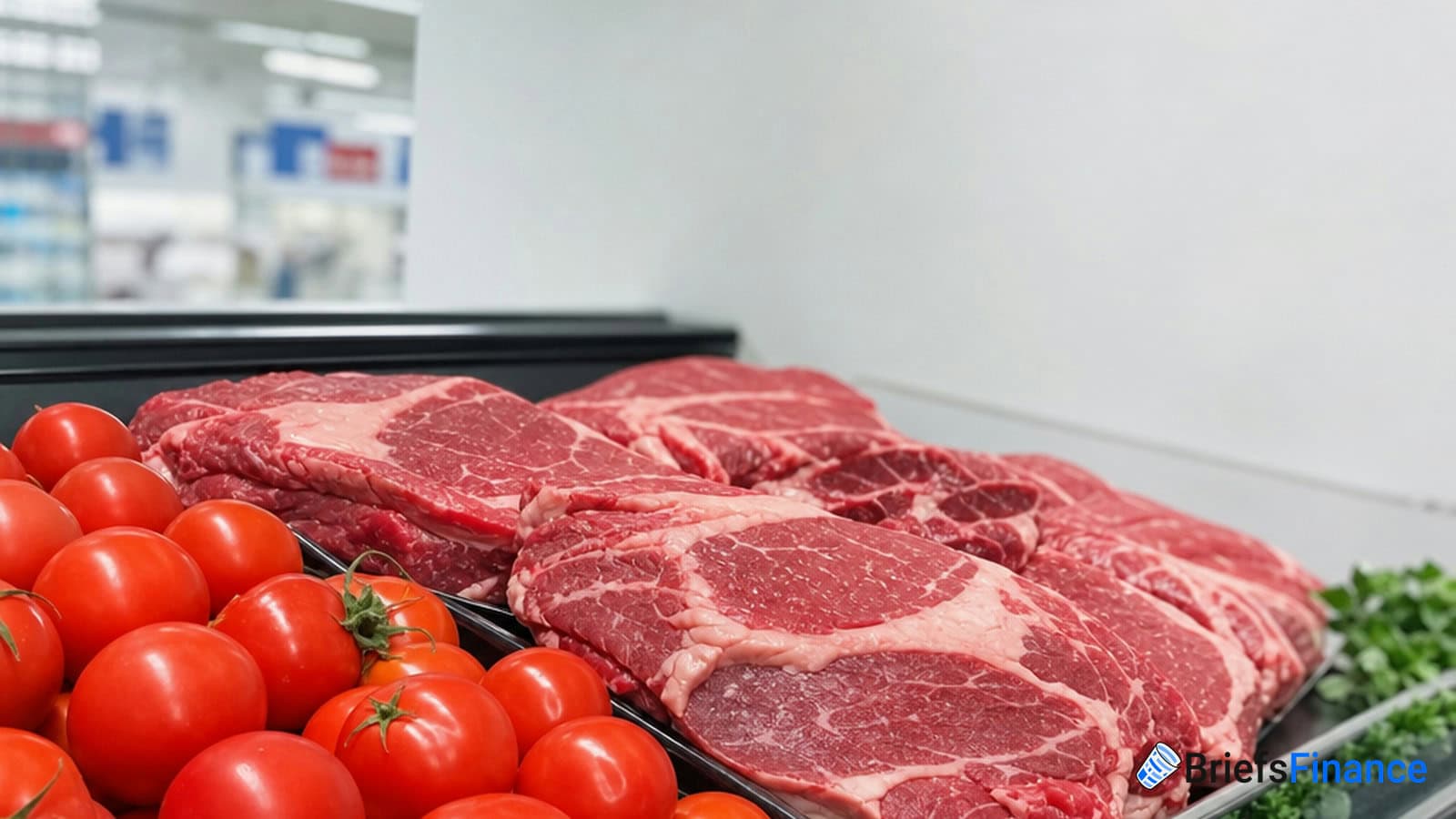
Beef hit a record price in April, and tomatoes climbed 33% over two months.
The US cattle herd hasn't been this small in 75 years, after drought thinned it and high production costs kept ranchers from rebuilding.
Florida tomato crops got hammered by winter storms, and shipments from Mexico dropped after the Trump administration slapped new duties on them.
Every morning, Market Briefs translates moves like this into what they actually mean for your portfolio - five minutes a day, with a free investing masterclass when you join.
Food Shocks Take Longer To Unwind
A gas spike can fade in weeks. A food shock can't.
The size of the fall harvest is set by what farmers plant in the spring, and those decisions are already made.
Whatever shows up at the checkout this autumn is largely baked in.
The drought picture isn't helping - as of May 19, 70% of US winter wheat production was in drought-stricken areas, along with 25% of US corn production.
Sierra Nevada snowpack came in at 23% of normal in mid-April, a problem because California accounts for nearly half of US vegetable and three-quarters of fruit and nut cash receipts (the dollar value of what farms sell).
Then there's the war, with Green Markets' North America fertilizer index running 20% above its pre-war level.
If farmers use less fertilizer to save money, crops get more vulnerable to heat and drought - and yields shrink.
What To Watch
Forecasters now see an El Niño weather pattern likely forming by August, with rising odds of a strong event that lingers into 2027.
That tends to bring extra rain to California, but it can also drive drought through overseas growing regions for rice, coffee, and cocoa.
The big chains are trying to hold the line, with Kroger planning a price-cutting push to compete with Walmart.
But that's a fight over the last mile, not the supply chain behind it.
Real hourly earnings (wages adjusted for inflation) fell over the 12 months through April - the first annual drop in three years - while household debt is rising and the personal saving rate is falling.
Spring planting decisions just locked in this fall's prices.
Join 350,000+ investors reading Market Briefs every weekday morning, and you'll get a 45-minute investing course as a bonus on the way in.