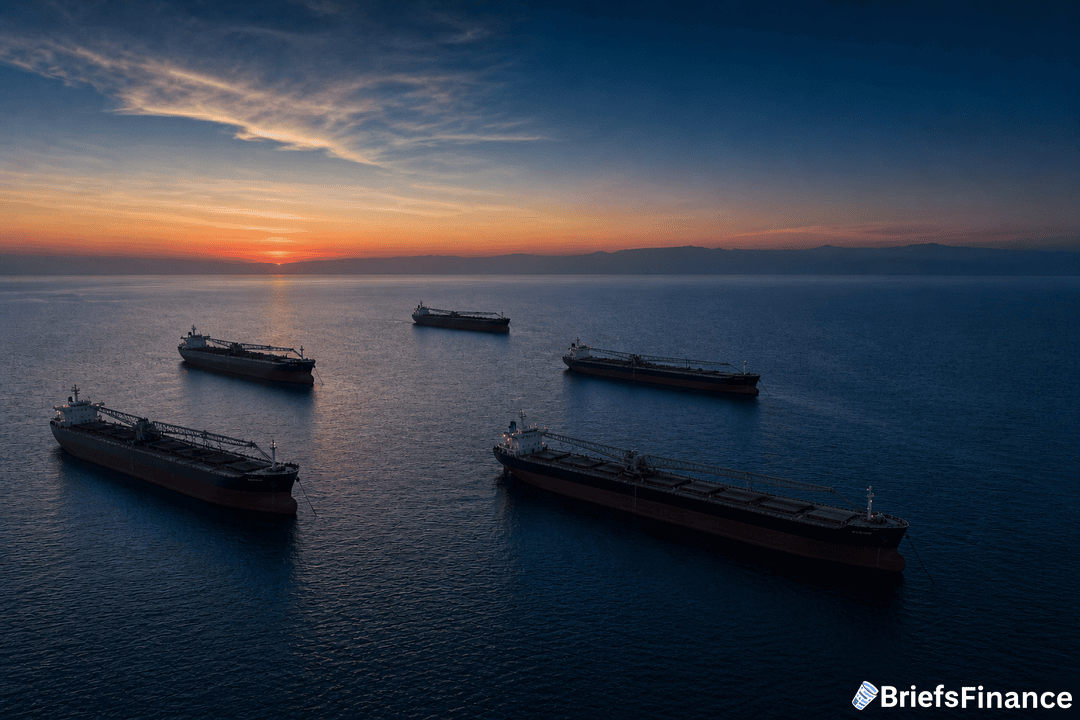
The US naval blockade started as a way to choke off Iran's oil revenue, and it is now squeezing something more basic. Grain ships bound for Iran's main import port are sitting at sea and not coming in, according to ship-tracking data compiled by Kpler.
Crop shipments are running down more than 40% from March levels, with the gap widening week by week as the blockade enters its third week of enforcement.
A Backed-Up Pipeline
Shipments of grains and oilseeds to Iran's Bandar Imam Khomeini port - the country's main entry point for crop imports - have fallen more than 40% from March, with the last cargo to make it through the Strait of Hormuz arriving on April 28.
At least six cargoes are now waiting in the Arabian Sea, and additional vessels are in transit from Brazil with more bulk grain destined for Iranian buyers.
Two ships are currently offloading inside the port - the New Pioneer with soybean meal from Argentina, and the Espada X with Ukrainian corn - both of which transited before the blockade tightened.
For traders watching the Strait, the bigger story is the collapse in overall traffic, with Kpler data showing just 154 vessels crossing in March against a pre-war monthly average of about 3,000.
A Country That Was Already Inflating
Iran's food inflation was already running hot before the blockade, and slower port flows are now layering on top of a domestic price problem that hits households directly.
The US Navy began intercepting ships moving in and out of Iranian ports on April 13, with US Central Command saying it has directed at least 38 vessels to turn around or return to Iranian harbor since.
Iran has responded by shutting the Strait to most foreign shipping and seizing several foreign-flagged vessels, charging some ships transit fees of as much as $2 million each, according to Iran International.
Tehran has also been earning revenue from a "toll booth" system on the Strait, with the country's central bank reporting first toll inflows from the war earlier this month.
The combination - reduced inbound food, retained outbound revenue, and a domestic basket that was already stretched - is what is now turning the blockade into a household-level story inside Iran.
What To Watch
Oil is still the headline trade through the strait, and the food picture is now becoming the second story investors should track.
Six grain cargoes are still parked offshore in the Arabian Sea, with more on the way from Brazil. The next test for the blockade is whether any of them get through, get diverted, or simply give up and look for another buyer.