Free NewsletterPro Login

Gold Climbs 6% as Iran Deal and Fed Meeting Loom

Published Jun 16, 2026
Share:
Summary:
  • Gold rose 6% in four sessions to near $4,335 an ounce, driven by the Iran conflict and the inflation spike it caused.
  • A US-Iran peace deal would reopen the Strait of Hormuz, ease the energy crunch, and remove the inflation pressure that has been pushing gold higher.
  • New Fed chair Kevin Warsh runs his first policy meeting Wednesday, and any shift in tone on inflation could send gold sharply in either direction.

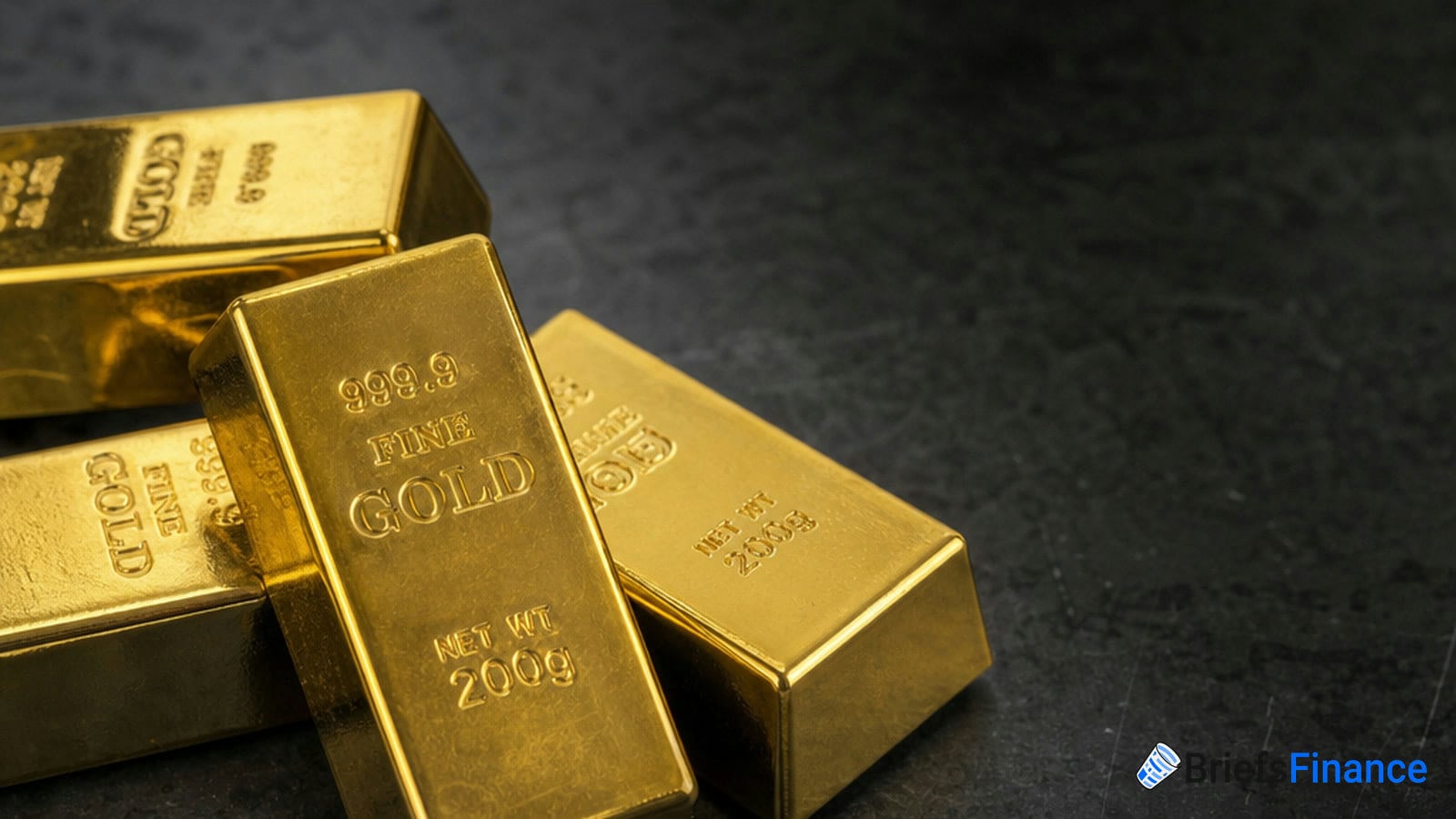
Gold is up 6% in four sessions to near $4,335 an ounce, and now it faces two big tests in the same week.

The US and Iran are about to sign a peace deal that could push prices lower, while new Fed chair Kevin Warsh runs his first policy meeting on Wednesday.

Gold has climbed more than 6% over the past four sessions, one of its strongest stretches in recent memory.

The rally is being driven by the Iran conflict and the energy supply crunch it created, which have sent inflation soaring and pushed investors into gold as a safe haven.

The US-Iran Deal Could Pressure Gold

The terms are starting to leak out. Iran would sell oil right away, get eventual access to its frozen assets, and the Strait of Hormuz would reopen by Friday.

That strait - the shipping lane that carries a big share of the world's oil - has been a key choke point for energy markets during the conflict.

President Trump has promised the Strait of Hormuz can fully reopen by Friday, though some European allies remain wary of the risks.

Reopening the strait would ease the energy crunch driving inflation higher, which gives central banks room to stop raising rates.

And that's bad news for gold.

Why? Gold pays no interest, so when bonds offer high yields, holding gold means missing out on that income.

When central banks hike rates, gold tends to fall - and when they cut, gold tends to rise.

If the deal holds, the inflation story that's been pushing gold higher unwinds fast.

Every morning, Market Briefs breaks down what moves like this actually mean for your portfolio - in five minutes a day, plus a free investing masterclass when you join.

Kevin Warsh's First Fed Meeting

The other shoe drops Wednesday, when new Fed chair Kevin Warsh runs his first policy meeting.

Markets are watching every word for clues on how he plans to handle inflation, with the broad expectation that rates stay on hold.

But the rate decision is not really the question - what matters more is what he signals next.

A softer tone on inflation could send gold higher, while a tougher stance could pile onto whatever the peace deal does to the price.

Standard Chartered analysts wrote that gold's firming correlation with real yields shows focus has shifted to the Fed meeting.

Real yields are the return on bonds after subtracting inflation, and gold typically moves the opposite way.

What To Watch

The same analysts said a US-Iran pact "bodes well for gold finding a price floor sooner rather than later."

In other words, the floor is coming, but the ride down may be bumpy.

Gold already dipped below its 200-day moving average earlier this month, a level traders watch as a warning sign for more selling ahead.

Beyond gold, silver ran 10% over the same four sessions, while platinum and palladium barely budged and the dollar slipped slightly.

Watch the Fed's statement for any shift in tone on inflation, and watch oil markets for signs Iranian crude is actually flowing again.

Both decisions land before Friday.

Join 350,000+ investors reading Market Briefs every weekday morning - you also get a 45-minute investing course as a bonus.

Disclosure

Get Market Briefs delivered to your inbox every morning for free!

No fluff. No noise. No politics. Just finance news you can read in 5 minutes.

Blogs

June 16, 2026
Tech Stocks: A Simple Guide for New Investors
  • Tech stocks are companies in the information technology and related sectors, from software to chips to the internet giants.
  • They've driven much of the market's growth, but they can be volatile and richly valued.
  • The smart approach is to understand what you own and not let one sector run your whole portfolio.
Read More
June 16, 2026
What Is a Joint Stock Company? A Simple Guide
  • A joint stock company is a business owned by many people, each holding shares of stock that represent a slice of ownership.
  • It's the basic idea behind every public company you can buy on the stock market today.
  • Owning a share makes you a part-owner, entitled to a piece of the profits and growth.
Read More
June 16, 2026
Capital Gains Tax in California: A Simple Guide
  • Capital gains tax is what you owe when you sell an investment for more than you paid for it.
  • How long you held it matters: long-term gains are taxed more gently than short-term gains at the federal level.
  • Smart investors lower the bill with tools like tax-loss harvesting and holding for the long run.
Read More
June 15, 2026
Top Covered Call ETFs: How to Compare Them
  • Top covered call ETFs are income funds that own stocks and sell call options against them to generate steady cash.
  • The best one for you is the fund whose income, holdings, and fees fit your goals, not simply the one with the flashiest yield.
  • They all share one trade-off: more income today, less upside in a big rally.
Read More
June 15, 2026
What Are Stock Options? A Plain-English Guide
  • Stock options are contracts that give you the right, but not the obligation, to buy or sell a stock at a set price by a set date.
  • There are two kinds: calls (the right to buy) and puts (the right to sell).
  • Options can multiply gains or wipe out your money fast, so they suit investors who already know the basics.
Read More
June 15, 2026
EBITDA Margin: What It Is and How to Calculate It
  • EBITDA margin measures how much core profit a company keeps from each dollar of sales, before interest, taxes, and accounting deductions.
  • The formula is EBITDA divided by revenue, shown as a percent.
  • A higher, steadier EBITDA margin usually signals a more efficient, more durable business.
Read More
June 15, 2026
What Is Taxable Income? A Simple Guide for Investors
  • Taxable income is the portion of your money the government can tax after deductions are applied.
  • Not all income is taxed the same: job income, investment income, and passive income face different rates.
  • Investors and business owners get more tools to legally lower their taxable income, which is a big edge over time.
Read More
June 15, 2026
What Is a Covered Call? How the Strategy Works
  • A covered call is an options strategy where you own a stock and sell someone the right to buy it from you at a higher price.
  • You collect cash, called the premium, up front, and keep it no matter what happens.
  • The trade-off: if the stock soars, your shares get sold at the set price and you miss the extra upside.
Read More
June 15, 2026
What Is Gross Margin? A Simple Guide for Investors
  • Gross margin is the share of each sales dollar a company keeps after paying the direct cost of whatever it sold.
  • The formula is simple: revenue minus cost of goods sold, divided by revenue, shown as a percent.
  • A steady or rising gross margin points to pricing power, and it is one of the first things smart investors check.
Read More
June 15, 2026
What Is a Dividend? A Plain-English Guide for Investors
  • A dividend is a cash payment a company sends you just for owning its stock, usually every three months.
  • Dividends are one of two ways stocks pay you, the other being the share price going up.
  • Dividends are never guaranteed, so the strength of the business behind the payment matters more than the size of the payment.
Read More
1 2 3 23
Share via
Copy link










